Category: Accident Law

  • Truck Accident Attorney Guide to Protecting Your Rights After a Crash

    Truck Accident Attorney Guide to Protecting Your Rights After a Crash

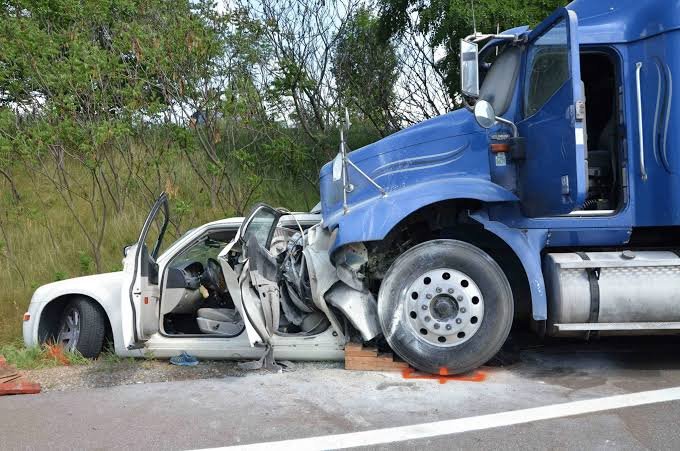
    A collision involving a commercial truck can leave victims facing serious injuries, financial stress, and uncertainty about what comes next. Unlike ordinary vehicle accidents, truck crashes often involve multiple liable parties, complex federal regulations, and high-value insurance claims. That is why speaking with a truck accident attorney as early as possible can make a significant difference in protecting your legal rights and preserving important evidence.

    Whether the accident involves an 18-wheeler, delivery truck, or other commercial vehicle, understanding the claims process helps victims make informed decisions. This guide explains why truck accident cases are unique, the steps to take after a crash, and how experienced legal representation can improve the likelihood of securing fair compensation.

    Why Truck Accident Cases Are More Complex

    Commercial trucking accidents differ significantly from standard passenger vehicle collisions. Trucking companies operate under strict state and federal regulations, and multiple parties may share responsibility for a crash.

    Potentially liable parties may include:

    • The truck driver
    • The trucking company
    • Vehicle maintenance contractors
    • Cargo loading companies
    • Truck or parts manufacturers
    • Third-party logistics providers

    Determining fault requires a thorough investigation that often includes reviewing maintenance records, driver qualification files, electronic logging devices, black box data, and inspection reports.

    Because commercial insurers often respond immediately after a serious collision, victims benefit from having legal guidance before providing recorded statements or accepting settlement offers.

    Common Causes of Commercial Truck Accidents

    Understanding what contributes to truck crashes helps establish liability during a legal claim.

    Some of the most common causes include:

    • Driver fatigue
    • Distracted driving
    • Speeding
    • Impaired driving
    • Improper cargo loading
    • Mechanical failures
    • Brake defects
    • Tire blowouts
    • Poor vehicle maintenance
    • Inadequate driver training
    • Unsafe lane changes
    • Weather-related driving errors

    Many accidents involve multiple contributing factors rather than a single mistake.

    Why Evidence Disappears Quickly

    One of the biggest challenges after a truck accident is preserving evidence before it is lost.

    Critical evidence may include:

    • Black box data
    • Dash camera footage
    • Driver logbooks
    • Electronic logging device records
    • Cell phone records
    • Maintenance logs
    • Inspection reports
    • Surveillance footage
    • Witness statements
    • Scene photographs

    Some trucking records are only retained for limited periods. Acting quickly allows a truck accident attorney to request preservation of this evidence before it is deleted or destroyed.

    Steps to Take Immediately After a Truck Accident

    The actions taken during the hours and days following a crash can significantly affect both physical recovery and legal claims.

    1. Seek Medical Attention

    Even if injuries seem minor, obtain a medical evaluation as soon as possible. Certain injuries, including traumatic brain injuries and internal bleeding, may not show immediate symptoms.

    Medical records also establish an important connection between the accident and your injuries.

    2. Contact Law Enforcement

    An official police report documents the scene and provides valuable information regarding involved parties, witnesses, and initial observations.

    3. Document the Scene

    If it is safe to do so, collect:

    • Photos of all vehicles
    • Road conditions
    • Traffic signs
    • Skid marks
    • Vehicle damage
    • Visible injuries
    • Cargo spills
    • Weather conditions

    The more documentation available, the stronger the potential claim.

    4. Gather Witness Information

    Independent witnesses often provide objective accounts that strengthen liability investigations.

    Collect names and contact information whenever possible.

    5. Avoid Discussing Fault

    Avoid making statements that could later be interpreted as accepting responsibility.

    Simply provide factual information to responding officers.

    6. Speak With a Truck Accident Attorney

    Legal guidance early in the process helps preserve evidence, manage insurer communications, and ensure important deadlines are not missed.

    Understanding Federal Trucking Regulations

    Commercial trucking companies must comply with regulations designed to improve roadway safety.

    These regulations govern areas such as:

    • Maximum driving hours
    • Required rest periods
    • Vehicle inspections
    • Maintenance schedules
    • Drug and alcohol testing
    • Driver qualifications
    • Cargo securement
    • Weight limitations

    Violations of these regulations may become significant evidence during a truck accident claim.

    An experienced attorney understands how to identify these violations and incorporate them into the investigation.

    Types of Compensation Available

    Every accident is different, but injured victims may be entitled to recover compensation for both economic and non-economic damages.

    Potential compensation may include:

    • Medical expenses
    • Future medical treatment
    • Lost wages
    • Reduced earning capacity
    • Property damage
    • Rehabilitation costs
    • Pain and suffering
    • Emotional distress
    • Permanent disability
    • Loss of enjoyment of life

    The value of a claim depends on numerous factors, including injury severity, available insurance coverage, liability evidence, and long-term medical needs.

    Challenges Victims Often Face

    Truck accident claims frequently involve aggressive insurance defense teams working to reduce payouts.

    Common challenges include:

    • Disputed liability
    • Multiple insurance companies
    • Comparative negligence arguments
    • Delayed investigations
    • Missing evidence
    • Low settlement offers
    • Complex medical documentation

    Without experienced legal representation, accident victims may unknowingly accept settlements that fail to cover future expenses.

    How a Truck Accident Attorney Builds a Strong Case

    A knowledgeable truck accident attorney performs far more than filing paperwork.

    Legal representation often includes:

    • Conducting independent investigations
    • Preserving electronic evidence
    • Interviewing witnesses
    • Consulting accident reconstruction experts
    • Reviewing driver compliance records
    • Analyzing trucking company safety practices
    • Negotiating with insurers
    • Calculating long-term damages
    • Preparing cases for litigation when necessary

    These efforts help build a stronger claim supported by credible evidence.

    Mistakes That Can Hurt Your Claim

    Certain decisions after an accident may reduce the value of a legal claim.

    Avoid these common mistakes:

    1. Delaying medical treatment.
    2. Posting accident details on social media.
    3. Giving recorded statements without legal advice.
    4. Accepting the first settlement offer.
    5. Failing to preserve evidence.
    6. Missing legal deadlines.
    7. Ignoring follow-up medical appointments.

    Taking a cautious and informed approach helps protect both your health and your legal rights.

    Choosing the Right Truck Accident Attorney

    Not every personal injury attorney regularly handles commercial trucking cases.

    When selecting legal representation, consider:

    • Experience with truck accident litigation
    • Knowledge of federal trucking regulations
    • Trial experience
    • Investigation resources
    • Client communication
    • Proven negotiation skills

    A firm experienced in trucking litigation understands the unique legal and technical issues involved in these high-stakes cases.

    Why Hiring a Truck Accident Attorney Matters 

    Truck accidents often result in life-changing injuries, complex investigations, and significant financial burdens. Knowing what to do immediately after a crash and understanding the unique challenges of commercial trucking cases can make a meaningful difference in the outcome of a claim.

    Working with an experienced truck accident attorney helps ensure critical evidence is preserved, insurance companies are held accountable, and every available source of compensation is fully explored. For individuals seeking experienced legal guidance after a commercial truck collision, Valley Injury Law provides dedicated representation focused on protecting accident victims and pursuing the compensation they deserve. Learn more about their truck accident legal services at azvalleyinjurylaw.


  • Injury Lawyers Scotland: Your Complete Guide to Claiming Compensation After an Accident

    Injury Lawyers Scotland: Your Complete Guide to Claiming Compensation After an Accident

    Suffering an injury because of someone else’s negligence can be physically, emotionally, and financially challenging. Whether you’ve been involved in a road traffic accident, experienced a workplace injury, or suffered due to medical negligence, seeking professional legal advice is essential. Experienced injury lawyers Scotland help victims understand their rights and guide them through the compensation process while ensuring every claim is handled professionally.

    What Do Injury Lawyers Do?

    Personal injury lawyers specialize in helping individuals who have been harmed due to another party’s negligence. They investigate the circumstances surrounding an accident, collect evidence, negotiate with insurance companies, and represent clients if the case proceeds to court.

    A skilled solicitor works to maximize compensation while reducing the stress involved in pursuing a claim. Most legal professionals provide an initial consultation to assess whether a case has a strong chance of success before moving forward.

    Types of Personal Injury Claims

    Scotland’s legal system allows individuals to seek compensation for many different types of accidents and injuries. Common claims include:

    • Road traffic accidents
    • Workplace accidents
    • Slip, trip, and fall incidents
    • Medical negligence
    • Industrial diseases
    • Cycling and pedestrian accidents
    • Public liability claims
    • Serious and catastrophic injuries

    Each claim requires strong evidence, including medical reports, witness statements, photographs, and financial records showing any losses suffered.

    Why You Should Hire personal injury solicitors Scotland

    Choosing experienced personal injury solicitors Scotland offers several important advantages. They understand Scottish legal procedures and know how insurers evaluate claims. Their expertise allows them to negotiate effectively while ensuring clients receive fair compensation.

    Professional solicitors also explain every stage of the legal process in plain language, helping clients make informed decisions throughout their claim. This support can be especially valuable during recovery from serious injuries.

    The Compensation You May Be Entitled To

    Compensation aims to restore the financial position you would have been in if the accident had not occurred. Depending on your circumstances, you may claim for:

    • Pain and suffering
    • Loss of earnings
    • Medical expenses
    • Rehabilitation costs
    • Future care requirements
    • Travel expenses
    • Home adaptations
    • Psychological injuries

    The total value depends on the severity of the injury, long-term impact, and financial losses resulting from the accident.

    No Win No Fee Arrangements

    Many Scottish injury lawyers offer No Win No Fee agreements. This means clients generally do not pay legal fees if the claim is unsuccessful, making legal representation accessible for people who may be worried about upfront costs.

    Before signing any agreement, it’s important to understand exactly how legal fees, success fees, and potential expenses are handled so there are no unexpected surprises later.

    The Claims Process Explained

    The compensation process usually begins with an initial consultation where your solicitor reviews the facts of your accident. If they believe your claim has merit, they begin gathering evidence and contacting the responsible party or their insurer.

    Medical assessments are often arranged to evaluate the extent of injuries. Once sufficient evidence has been collected, negotiations begin. Many claims settle without court proceedings, although some complex cases may require litigation before a final decision is reached.

    Time Limits for Making a Claim

    Scottish law places strict time limits on personal injury claims. In many cases, individuals have three years from the date of the accident or from the date they became aware of their injury to begin legal proceedings.

    However, exceptions may apply for children or individuals lacking legal capacity. Seeking legal advice promptly helps preserve evidence and protects your right to pursue compensation.

    Choosing the Right Injury Lawyer

    Not every solicitor has the same level of experience. When selecting legal representation, consider factors such as:

    • Experience handling similar cases
    • Client reviews and testimonials
    • Clear communication
    • Transparent fee structure
    • Success rate
    • Accreditation and professional memberships

    An experienced solicitor should provide realistic advice rather than making unrealistic promises about compensation amounts.

    Final Thoughts

    Recovering from an accident can be overwhelming, but the right legal support can make a significant difference. Experienced injury lawyers in Scotland help injured individuals secure fair compensation while handling the legal complexities on their behalf. By acting promptly, gathering strong evidence, and choosing a knowledgeable solicitor, you can improve your chances of achieving a successful outcome and focus on what matters most—your recovery.

  • Double-Parked Car Accidents in NYC: Queens Car Accident Lawyer Explains Fault and Compensation

    Double-Parked Car Accidents in NYC: Queens Car Accident Lawyer Explains Fault and Compensation

    From crowded commercial blocks to residential streets, double-parking is a daily reality in New York. While it is a minor inconvenience in most cases, there are instances where a double-parked car can create a dangerous situation. When a double-parked vehicle is involved in an accident, proving fault is not as straightforward as you might think. In this post, the team at Alex Yadgarov & Associates will step into the shoes of your Queens car accident lawyer and explain the things you need to know about double-parked car accidents in NYC.

    Double-Parking Laws in NYC

    Double-parking occurs when you park parallel to a legally parked vehicle, where you effectively create a second row of parked vehicles that can block a travel path. In NYC, double parking is illegal at all times for passenger vehicles, irrespective of its location, purpose, or duration. If caught, you will be forced to pay a fine of around $115, and in some cases, the vehicle may be towed away. However, NYC 311 allows commercial vehicles to stop or double-park up to 20 minutes for the purpose of loading/unloading goods if there is no curb space available within 100 feet.  

    How Does Double-Parking Create Dangerous Situations? 

    When you double-park, you effectively block the path of moving traffic. By doing so, you disrupt the flow of traffic, reduce driver visibility, and reduce space for passing vehicles. It can create or contribute to creating a dangerous situation, which can put drivers, cyclists, and pedestrians at risk.

    Can You Still Be Liable Even If You Weren’t Present? 

    In New York, you cannot escape liability on the grounds that you weren’t present in your vehicle at the time of the accident. The fact is, you’ve created a dangerous situation, and you will most likely be held responsible if the dangerous situation caused or contributed to the accident. If the other driver involved in the accident is also at fault, then the liability may be shared between the two parties.

    Can Drivers Share Fault in Double-Parked Accidents? 

    Yes, depending on the facts of the case, the court may determine that more than one party is to be held liable for the accident. In New York, the fault can be divided among multiple parties under the pure comparative negligence rule. Under this rule, when a person is deemed partially liable for an accident, then any compensation they receive must be reduced to reflect the extent of their fault in the accident.

    For example, if party A, who has double-parked their vehicle in a busy lane, collides with party B, who was speeding down the lane, both parties may be held partially responsible for the accident. If A is held 60% responsible for the accident, their compensation will be reduced by 60%.

    Conclusion

    While a double-parked vehicle can seem like a minor inconvenience, there are times where it can create a dangerous situation. When an accident occurs connected to a double-parked vehicle, you need to have a good understanding of your rights and liabilities to protect your rights and ability to claim compensation. If you’re looking for an experienced Brooklyn car accident lawyer to guide you through the insurance and legal process, then Alex Yadgarov & Associates can help. Contact us today and schedule your free consultation.

  • Taxi, Uber & Delivery Truck Crashes: Why NYC Accident Cases Are More Complicated

    Taxi, Uber & Delivery Truck Crashes: Why NYC Accident Cases Are More Complicated

    It’s not a typical fender bender in New York City if you’ve ever been in a crash with a yellow cab, an Uber, or a delivery truck. It all seems quite simple at first: two vehicles collide, someone’s at fault, insurance pays, done. Things start to escalate fast once you start digging into what actually happens behind the scenes. Suddenly, there are multiple insurance companies involved, corporate policies to untangle, and questions about who was “on the clock.” It’s often at this point that people reach out to a car accident lawyer Bronx residents trust when commercial vehicles are involved, because the situation feels quite overwhelming. Accidents involving taxis, rideshare drivers, and delivery trucks aren’t just regular crashes. They come with extra layers, including business liability, commercial insurance coverage, and sometimes even disputes over employment status. In a city packed with rideshares and delivery vans on nearly every block, understanding why these cases are more complicated than they look can make a huge difference. Let’s walk through it step by step.

    Why Commercial Vehicle Accidents Aren’t Like Regular Car Crashes

    In most cases, a collision between two private vehicle operators comes down to simple negligence. Who blew the red light? Who was texting while driving? Who didn’t yield? Now throw in a company. If one of these vehicles is being used for profit by delivering passengers or packages, the playing field changes, and it’s no longer simply a matter between the two operators.

    You could be looking at:

    • Commercial insurance policies
    • Employers and corporations
    • Independent contractor agreements
    • Company safety policies
    • City and state transportation laws

    It’s not simply a matter of what happened at the intersection. It’s a matter of who was working, what policy is in effect, and whose financial responsibility it is. In the city of New York, where traffic is already hectic, it doesn’t take long for this complex situation to unravel.

    Taxi Accidents: Layers of Responsibility

    Taxis in New York City are subject to local regulations. The driver must be licensed, and the taxi must be registered for commercial use. In addition, many operate under a leased medallion or fleet management company. So while the obvious question in a taxi accident may be ‘Was it the driver’s fault?’, that may only be the beginning.

    Who might be liable for an accident involving a taxi:

    • The taxi driver
    • The owner of the fleet
    • The company that manages the medallion
    • Another driver entirely

    If you are riding in a taxi through Midtown Manhattan and the driver makes an illegal turn into another car, it’s likely clear that the taxi driver was at fault.

    However, then the questions begin:

    • Was he working for a company?
    • Was he leased from another owner?
    • Was there a fleet owner involved?

    Commercial insurance policies have higher limits than personal policies. While it might be reassuring to know that there are higher limits involved in a claim, it also means that insurance companies are going to be more aggressive in defending those claims. The bigger the claim, the harder they will fight.

    Uber and Lyft Crashes: The Insurance Timeline Puzzle

    Rideshare accidents add another twist because coverage depends on what the driver was doing at the exact second of the crash.

    There are generally three phases that matter:

    1. The driver is offline (app off).
    2. The driver is logged in and waiting for a ride request.
    3. The driver has accepted a ride or has a passenger in the car.

    Each phase provides different levels of insurance coverage. Without the app on, the individual’s personal insurance coverage is used. While waiting for a ride, perhaps only a limited level of corporate insurance is available. Once a ride is accepted or a passenger is in the car, a higher commercial insurance policy is usually in effect.

    Now, think about the difficulty of establishing whether the ride was accepted five seconds before the accident or five seconds after. This is a minute difference that can make a huge difference between a personal insurance policy and a commercial policy that pays out a million dollars.

    A Harlem personal injury lawyer will usually investigate the app and electronic records to establish exactly which phase the driver was in. Without this evidence, the insurance company will claim that the lower insurance coverage is applicable. They certainly won’t give the injured party any information that will make them pay out more.

    Delivery Truck Accidents: Corporate Liability Questions

    Delivery vehicles are everywhere in NYC. Amazon vans double-parked on busy avenues. UPS trucks are blocking narrow side streets. Grocery delivery cars are rushing through intersections.

    When a delivery driver causes a crash, one major question comes up: Were they working at the time? If the driver was actively delivering packages, the company may be responsible under a principle called vicarious liability. In simple terms, employers can be held accountable for what employees do while performing their job duties.

    But here’s where things get tricky. Many delivery drivers are classified as independent contractors instead of employees. Companies sometimes argue that because of that label, they aren’t directly responsible. So now the dispute shifts from “Who caused the crash?” to “Who legally controls this driver?” That classification battle can shape the entire case.

    Multiple Insurance Policies in Play

    One of the biggest reasons these cases get complicated is the number of insurance policies involved.

    You might have:

    • The rideshare company’s insurer
    • The driver’s personal insurer
    • The other vehicle’s insurer
    • Possibly a contractor’s separate policy

    Each company may try to shift responsibility elsewhere, making it difficult to determine who is ultimately liable for your claim.

    Higher Stakes Mean Harder Fights

    Commercial insurance policies often carry larger coverage limits, which can mean more compensation for serious injuries, but also means insurers take claims very seriously.

    You might face:

    • Requests for recorded statements
    • Extensive medical reviews
    • Independent medical exams
    • Background investigations
    • Tough settlement negotiations

    It’s not uncommon for corporate insurers to question the severity of injuries or even dispute liability entirely. More money on the table equals more resistance.

    Regulatory Rules Add Another Layer

    Taxis and commercial vehicles are subject to additional regulations beyond regular traffic laws. These may include:

    • Limits on driving hours
    • Maintenance and inspection requirements
    • Licensing standards
    • Company safety protocols

    If a delivery driver was working excessive hours and caused a fatigue-related crash, that violation could strengthen a victim’s case.

    Similarly, if a company failed to maintain its vehicles properly, that oversight might establish negligence. But uncovering those records usually requires formal legal steps. Companies don’t always hand over internal documentation willingly.

    Passenger Claims vs. Driver Claims

    If you’re a passenger in a rideshare or taxi, you’re typically not considered at fault. But determining which insurance policy covers your injuries still requires careful analysis.

    If you’re another driver struck by a commercial vehicle, insurers may attempt to assign partial blame to reduce payouts. If you’re a pedestrian hit by a delivery truck, multiple corporate entities may be involved in defending the claim. Each scenario has its own legal pathway, and no two cases are exactly alike.

    Serious Injuries Are More Common

    Commercial vehicles tend to be heavier and larger than personal cars. Delivery trucks, especially, can cause significant damage.

    As a result, injuries may be more severe:

    • Spinal injuries
    • Head trauma
    • Multiple fractures
    • Long-term physical limitations

    When injuries are serious, long-term medical care and lost earning capacity become major parts of the claim. And again, because potential payouts increase, insurers often fight harder.

    Settlement vs. Litigation

    Unlike other accidents, commercial accident cases are more likely to go through a settlement. They may take a longer time to settle. In some cases, a court suit may have to be filed. This is especially true if there’s a need to obtain internal records from the company. There’s a big chance that insurance companies will not voluntarily provide the details. While it may extend the time frame, litigation may provide the aggrieved party with more information.

    Why These Cases Feel Overwhelming

    With the type of accident described, one could call it simply infuriating. But adding corporate layers, multiple policies, interactions with multiple adjusters, and the question of which insurance company is the right one to deal with can be even more challenging. But this is understandable frustration. The system is simply not good at making things easy. Commercial vehicle and corporate policies systems have always been anything but simple.

    Protecting Yourself After a Commercial Crash

    In the event of a commercial vehicle accident involving a taxi, Uber, or delivery truck in New York City, the following actions are recommended. Call the police to create a formal report of the incident and take pictures of all the vehicles, including their license plates. Likewise, take pictures of the company logo, vehicle ID or number. Exchange information with the driver and their insurance company. Seek medical attention as soon as possible. Do not provide any statements, especially recorded statements, until you have exhausted all of your options. Photographing a company logo is a detail that can help you later.

    Final Thoughts

    Taxi, Uber, and delivery truck crashes in New York City aren’t simple accidents. They involve corporate responsibility, layered insurance coverage, employment classification questions, regulatory rules, and often higher financial stakes. What looks straightforward at first glance usually has several moving parts underneath. Understanding that from the beginning can help you approach the situation with clarity instead of confusion. In a city where commercial vehicles are everywhere, consulting a car accident lawyer Manhattan residents trust can make all the difference in protecting your recovery and your peace of mind. Knowing why these cases are more complicated than they seem ensures your claim is handled properly and that your rights are fully safeguarded.

  • The Evolving Landscape of Personal Injury Law in VA: What Hopewell Plaintiffs and Personal Injury Attorneys Need to Know

    The Evolving Landscape of Personal Injury Law in VA: What Hopewell Plaintiffs and Personal Injury Attorneys Need to Know

    When someone is seriously injured or dies in an accident — whether it’s a car accident, serious injury or traumatic brain injury due to a slip and fall, or a wrongful death due to someone else’s negligence or medical malpractice — they (or their loved ones) often try to seek restitution through a settlement or jury award for the economic (such as lost wages and medical bills) and non-economic damages (like pain and suffering) they have experienced. This area of law practice is known as tort law, and it is a key part of our civil courts and justice system.

    Understanding how personal injury claims are affected by changes in tort law

    However, it’s important to note that the landscape of tort law has undergone significant changes. With laws changing due to several factors, including pressure from the insurance industry, emerging technology, and socioeconomic considerations such as inflation, the outcome of personal injury claims can vary significantly, from the amount of money an injury victim receives to how the case proceeds. 

    Thankfully, when you hire a personal injury attorney for your tort law case, they will help guide you through these changes. C. James Williams III, Principal at leading Virginia personal injury law firm Burnett & Williams, has firsthand experience navigating these changes as one of Virginia’s most lauded tort law attorneys. He and his experienced attorneys have helped guide residents of Hopewell and clients throughout Virginia through these changes, enabling them to receive the best possible settlement or award.

    Recent changes in personal injury cases in the state of VA

    One example of tort reform that attorneys and their clients commonly see is a change in the caps on damages that can be awarded in a lawsuit. These changes can significantly affect the amount of money a plaintiff receives in a settlement or court-awarded damages. 

    “For example, Virginia state code § 8.01-581.15 sets a limit on the amount of damages that can be recovered in a medical malpractice claim,” explains Williams. “The amount of that cap is $2.7 million as of July 1, 2025, and increases by $50,000 each year until 2031, at which point the cap reaches a permanent maximum of $3 million. This cap applies to every case — claims resolved by a jury or a judge.” 

    The legal system also often sees changes in the statutes of limitations — the period during which someone can file a lawsuit after an incident — for particular charges and offenses. 

    “In Virginia, the statute of limitations for a personal injury case is two years from the date of the incident, and that has been in place for a long time,” says Williams. “However, other statutes of limitations have changed in recent years. For example, in 2020, Virginia changed the law concering child sexual abuse to be more favorable to victims who realize the wrong inflicted upon them. In any case, it’s best to consult a trusted personal injury attorney right away, as they will know the statute of limitations and ensure that your case is filed before it expires. If you wait too long, you could miss out.”

    Another recent change in Virginia tort law has been a change in standards regarding the admissibility of evidence. Williams highlights a 2020 case, Graves v. Shoemaker, in which the expert testimony of a witness was determined to be inadmissible in court due to a “substantial relationship” between the witness and the insurance company, which constituted a bias (i.e., the witness had testified several dozen times on behalf of the insurance company’s insureds and received several hundred thousand dollars in payments in return). Considering the role that expert witness testimony plays in tort law — particularly personal injury law — understanding these changes is pivotal in achieving a favorable outcome for your case.

    While many changes in tort law specifically relate to how these cases are tried, some changes in these laws are more targeted at how attorneys handle cases. For instance, the Virginia Supreme Court recently revised the laws governing how lawyers can charge their clients. Williams points to a proposed change in the law that would allow attorneys to charge a contingency fee to clients in domestic violence cases. This change can help clients who cannot afford legal representation on an hourly basis access the support they need.

    Hire a skilled Hopewell personal injury attorney to get the compensation you deserve

    Navigating these changes in the legal landscape can be difficult, especially if you don’t have a skilled and experienced lawyer on your side, which is why it’s crucial to hire a law firm like Burnett & Williams. With decades of experience in Virginia tort law, the attorneys at Burnett & Williams have seen how the legal landscape has changed over the years and have helped hundreds of clients receive exceptional results, including top settlements and jury awards.

    Indeed, the goal of any personal injury lawyer is to win your case and represent your best interests. To achieve fair compensation for their clients, attorneys must understand the intricacies of the tort law landscape. 

    “If you’ve been injured in a car accident, truck accident, motorcycle accident, or have any other injury claim, do not hesitate: contact us for a free consultation today,” concludes Williams.

  • Understanding Florida Workers’ Compensation Laws: What Every Employee Should Know

    Understanding Florida Workers’ Compensation Laws: What Every Employee Should Know

    light duty work
    light duty work

    Workplace injuries can happen to anyone, whether you work in construction, healthcare, hospitality, or retail. In Florida, the workers’ compensation system is designed to protect employees who are injured or become ill due to their jobs. However, many workers don’t fully understand their rights, what benefits they’re entitled to, or how to handle disputes that may arise during the claims process. Knowing the basics of Florida’s workers’ compensation laws can make the difference between a smooth recovery and months of frustration.

    What Is Workers’ Compensation in Florida?
    Workers’ compensation is a no-fault insurance system that provides medical and wage benefits to employees injured while performing work-related duties. In exchange for these guaranteed benefits, employees typically cannot sue their employer for negligence. Most employers in Florida are legally required to carry workers’ compensation insurance, and it applies to both full-time and part-time employees.

    Coverage begins from the moment an employee starts the job, and it extends to any injury or illness directly related to work. Whether you slip on a wet floor in a restaurant, suffer a back injury lifting boxes, or develop carpal tunnel syndrome from repetitive motion, you may be eligible for benefits.

    Types of Benefits Available Under Florida Workers’ Compensation
    Florida law provides several forms of compensation for injured workers, including:
    • Medical care: Covers doctor visits, hospital stays, surgeries, prescriptions, and rehabilitation.
    • Wage replacement: Provides a portion of your lost income while you are unable to work.
    • Temporary total disability (TTD): If your injury prevents you from working at all, you can receive two-thirds of your average weekly wages up to a state-set maximum.
    • Temporary partial disability (TPD): If you can return to work with restrictions or light duty work that pays less, you may receive partial wage replacement.
    • Permanent disability: If your injury results in permanent limitations, you may be entitled to long-term benefits.
    • Death benefits: Dependents of workers who die due to a work-related injury can receive financial compensation and funeral expenses.

    How to Report a Workplace Injury in Florida
    If you are injured on the job, it’s critical to report the incident as soon as possible. Florida law requires employees to notify their employer within 30 days of the injury or from when they realized the illness was work-related. Waiting too long can result in a denied claim.

    After reporting, your employer must notify the insurance company within seven days. You’ll then receive information about your claim, including a claim number and contact details for the insurance adjuster. From there, you should only see doctors authorized by the insurance provider, as visiting your own physician without approval can cause your medical bills to be denied.

    What Happens When You Can Work but With Restrictions
    In many cases, an injured employee can return to work but with restrictions. This is known as light duty work. Your doctor may recommend avoiding heavy lifting, standing for long periods, or performing certain repetitive tasks. If your employer offers a modified position that complies with your restrictions, you must generally accept it. If you refuse light duty work without valid medical justification, your wage replacement benefits could be reduced or suspended.

    However, not all employers can provide suitable light duty positions. If no modified role exists, you may continue to receive temporary disability benefits until you recover or reach maximum medical improvement (MMI).

    Common Disputes in Florida Workers’ Compensation Claims
    Even though the system is designed to protect workers, disputes are common. Some of the most frequent issues include:
    • Employers denying that the injury happened at work.
    • Insurance companies questioning the severity of the injury.
    • Disagreements over medical treatment or authorized physicians.
    • Claims that an employee can return to work before they are fully recovered.
    • Misclassification of workers as independent contractors, who are not eligible for workers’ comp.

    If you face any of these problems, consulting with a Florida workers’ compensation lawyer can help you protect your rights. A lawyer can gather medical evidence, challenge denied claims, and represent you in hearings before the Florida Office of Judges of Compensation Claims (OJCC).

    The Role of a Florida Workers’ Compensation Lawyer
    While many claims are straightforward, others involve complex legal and medical issues. A Florida workers’ compensation lawyer can help in several ways:
    • Ensuring your injury is properly documented and reported within legal deadlines.
    • Communicating with the insurance adjuster on your behalf.
    • Coordinating with approved medical providers.
    • Negotiating settlements for long-term or permanent injuries.
    • Appealing denied or undervalued claims.
    • Protecting you from retaliation or wrongful termination after filing a claim.

    Employers and insurers sometimes pressure injured workers to return to work prematurely or accept light duty work that violates medical restrictions. Having legal support ensures that your recovery comes first, not the employer’s bottom line.

    Common Mistakes That Can Jeopardize Your Claim
    Even an honest mistake can delay or damage your claim. Here are a few to avoid:
    • Failing to report the injury immediately.
    • Not following your doctor’s treatment plan.
    • Posting about your injury on social media.
    • Missing deadlines for submitting paperwork.
    • Accepting an unsuitable light duty position that worsens your injury.

    Always keep detailed records of your injury, doctor visits, prescriptions, and communication with your employer or insurance company. These documents are crucial if your claim is questioned later.

    Understanding Maximum Medical Improvement (MMI)
    Maximum medical improvement (MMI) is reached when your doctor determines that your condition is as good as it will get, even with continued treatment. Once you reach MMI, your temporary disability benefits may end, and your doctor will evaluate whether you have a permanent impairment. If you do, you may qualify for permanent impairment benefits, which are calculated based on your impairment rating and pre-injury wages.

    If you disagree with your doctor’s MMI determination or impairment rating, you can request an independent medical examination. A Florida workers’ compensation lawyer can help you through this process and challenge inaccurate medical findings.

    What to Do If Your Claim Is Denied
    If your workers’ compensation claim is denied, don’t panic. You have the right to appeal. Start by requesting an explanation from the insurance company. Sometimes claims are denied due to missing paperwork or delayed reporting, both of which can be corrected.

    If the insurer refuses to reconsider, you can file a Petition for Benefits with the OJCC. A hearing will be scheduled, where both sides present evidence. Having a lawyer can significantly improve your chances of success since they understand how to gather medical records, cross-examine witnesses, and argue your case before the judge.

    Workers’ Compensation and Retaliation Protections
    Florida law prohibits employers from retaliating against employees who file legitimate workers’ compensation claims. Retaliation includes firing, demoting, or harassing a worker for exercising their rights. If this happens, you can file a separate complaint with the Florida Department of Financial Services or pursue additional remedies with the help of a lawyer.

    FAQs About Florida Workers’ Compensation

    1. Can I choose my own doctor?
    No. You must see a doctor authorized by your employer’s insurance company unless it’s an emergency.

    2. How long can I receive workers’ compensation benefits?
    Most temporary benefits last up to 104 weeks, though permanent disability benefits can continue longer depending on your condition.

    3. What if my employer doesn’t carry workers’ compensation insurance?
    You may still be able to seek compensation through the state’s Employee Assistance and Ombudsman Office or by filing a civil claim.

    4. Can I work another job while on light duty work?
    Only if your doctor approves it and it doesn’t interfere with your recovery. Otherwise, it may affect your benefits.

    5. Do I need a Florida workers’ compensation lawyer for minor injuries?
    Not always. But if your injury is serious, your benefits are delayed, or your employer disputes the claim, hiring a lawyer can help you avoid costly mistakes.

    Final Thoughts
    Understanding your rights under Florida’s workers’ compensation laws ensures you’re not left vulnerable after a workplace injury. Whether you’re recovering at home or adjusting to light duty work, you deserve fair treatment, proper medical care, and financial security. If your claim becomes complicated or you feel pressured by your employer or insurer, a Florida workers’ compensation lawyer can help protect your future and guide you toward the recovery you deserve.

  • Can Baltimore Car Crash Lawyers Prove Fault in Distracted Driving Accidents?

    Can Baltimore Car Crash Lawyers Prove Fault in Distracted Driving Accidents?

    Yes, skilled Baltimore car crash lawyers use multiple investigative strategies to uncover the truth. From police reports to cell phone records, evidence plays a vital role in holding distracted drivers accountable under Maryland law. Distracted driving is a growing threat on Baltimore roads. Whether it’s texting, eating, or fumbling with navigation systems, these behaviors take a driver’s focus away from the road, often with devastating results.

    This guide explains how fault is proven in distracted driving cases, the steps victims should take after a crash, the most valuable forms of evidence, and how Maryland’s strict contributory negligence rules affect compensation.

    What Are the Steps to Prove Fault in a Distracted Driving Accident?

    Proving distracted driving requires more than suspicion. Lawyers must gather credible, admissible evidence that shows the driver failed to exercise reasonable care. The process often involves these steps:

    1. Reporting the Crash to Law Enforcement

    The first step is calling the police to the accident scene. Officers investigate, interview witnesses, and create an official report. If they observe signs of distraction, such as a phone in the driver’s hand or admissions of texting, they document these details.

    Police reports are not only required for the most serious crashes but also serve as a powerful starting point for building a legal case. In Maryland courts, these records carry weight because they come from neutral authorities.

    2. Seeking Immediate Medical Treatment

    Even if injuries appear minor, victims should always seek medical attention. Distracted driving crashes often involve rear-end collisions or side-impact accidents that cause concussions, whiplash, or hidden internal injuries.

    Medical documentation links the accident to specific injuries. It also prevents insurers from arguing that the harm was unrelated to the collision. Lawyers frequently rely on these records to calculate damages and demonstrate the actual impact of a crash.

    3. Gathering Evidence at the Scene

    Photos and videos often determine the strength of a distracted driving case. Victims or bystanders should capture vehicle damage, traffic signals, road conditions, driver behavior, and injuries. These visual records provide powerful, objective proof that supports liability and compensation claims.

    • Vehicle positions and damage

    • Skid marks or lack thereof (showing delayed braking)

    • Weather and lighting conditions

    • Visible distractions, such as food wrappers or a lit phone screen

    Witnesses are also crucial. A bystander might have seen the driver looking down, eating, or holding a phone. Their unbiased testimony strengthens the victim’s case when insurers try to deny fault.

    4. Preserving Digital and Cell Phone Records

    Modern distracted driving cases often hinge on phone records. Attorneys can subpoena logs to reveal whether the driver was texting, scrolling social media, or making calls at the exact time of impact.

    Apps and vehicle infotainment systems sometimes provide additional proof of distraction. For instance, GPS data might show erratic driving just before the crash. Such digital evidence can be a decisive factor in Maryland courts.

    5. Maintaining Thorough Documentation

    Accident-related records provide a clear picture of financial and personal losses. Victims should retain medical bills, diagnostic reports, receipts for repairs, documentation of lost wages, and records of therapy costs. Maintaining these records helps establish damages, strengthens claims, and supports fair compensation.

    • Medical bills and treatment records

    • Receipts for medications or rehabilitation

    • Repair invoices or total loss valuations for their car

    • Pay stubs showing lost wages

    • Journals documenting pain, recovery, or lifestyle changes

    These records highlight both liability and the extent of harm suffered. They document financial strain, medical needs, and emotional hardship, creating a comprehensive picture of the crash’s impact. This thorough evidence strengthens claims and supports fair, justified compensation for victims.

    6. Understanding Maryland’s Contributory Negligence Rule

    One of the biggest challenges in Maryland is the state’s contributory negligence doctrine, a rule that is far harsher than the laws in most states. While many states follow comparative fault systems where damages are reduced by the victim’s percentage of fault, Maryland takes an all-or-nothing approach. If the victim is found to be even 1% responsible for the accident, they are barred from recovering any compensation.

    For example, imagine a distracted driver rear-ends another vehicle at a stoplight. If the defense shows the victim was also slightly speeding or failed to signal a lane change earlier, they may argue contributory negligence. Even a minor error by the victim can lead to a complete denial of damages, regardless of how reckless or negligent the distracted driver was.

    This strict rule gives insurance companies and defense attorneys strong incentives to shift even the smallest amount of blame onto the victim. Because of this, proving the distracted driver’s exclusive fault is absolutely critical. Lawyers must present airtight evidence police reports, phone records, eyewitness statements, and expert testimony to eliminate doubt and prevent insurers from exploiting contributory negligence as a defense.

    7. Negotiation and Trial

    Most distracted driving cases resolve in a settlement. Insurers prefer to avoid trial, but they also try to minimize payouts. Lawyers use collected evidence to negotiate fair compensation.

    If insurers deny liability or refuse a reasonable settlement, the case may proceed to trial. There, lawyers present police reports, phone records, medical documents, and expert testimony to prove distraction beyond doubt.

    What Evidence Is Most Useful in Distracted Driving Cases?

    To strengthen a distracted driving claim, Baltimore car crash lawyers use a variety of evidence, often layered for maximum impact. Police reports, cell phone records, witness testimony, photos, videos, and medical documentation all work together to prove negligence and damages.

    • Police Reports: Neutral, official documentation of the incident.

    • Cell Phone Records: Prove texting, calling, or app use at the time.

    • Eyewitness Testimony: Supports claims that the driver wasn’t paying attention.

    • Dashcam or Traffic Camera Footage: Captures behavior directly before impact.

    • Photos of the Scene: Highlight vehicle positions, damage, and possible distractions.

    • Medical Records: Show the extent and nature of injuries.

    • Expense and Repair Records: Demonstrate the financial cost of the crash.

    This combination of evidence builds a compelling narrative that leaves little room for dispute. By clearly proving the distracted driver’s fault, it helps overcome Maryland’s strict contributory negligence barrier, ensuring victims have a stronger chance at fair compensation.

    Local Data on Distracted Driving in Baltimore

    Distracted driving is not an isolated issue; it’s a pressing concern across Baltimore and the rest of Maryland. According to the Maryland Highway Safety Office, thousands of collisions each year are linked to driver inattention, leading to significant injuries, fatalities, and property damage. These figures reveal how widespread the problem truly is: it affects motorists, pedestrians, and cyclists alike, making distracted driving one of the most dangerous behaviors on local roads.

    • More than 25,000 crashes each year in Maryland involve distracted driving.

    • Roughly one in three serious crashes is linked to driver inattention.

    • In Baltimore City and Baltimore County combined, distracted driving contributes to thousands of injuries annually.

    These statistics highlight why proving fault is essential for victims pursuing justice and fair compensation. With distracted driving causing thousands of crashes across Maryland each year, establishing clear liability ensures victims are not unfairly denied recovery under the state’s contributory negligence laws.

    What Legal Grounds Support Claims Against Distracted Drivers?

    Most distracted driving claims in Maryland are grounded in negligence law. Every driver has a duty to operate their vehicle safely. When that duty is breached—by texting, eating, or engaging in distractions- the resulting accidents create a legal basis for liability. Victims can pursue damages for medical costs, lost wages, and emotional distress, supported by several recognized legal grounds.

    • Driver Negligence: This is the foundation of most claims. Operating a vehicle while distracted, whether texting, eating, or adjusting a GPS, is a clear breach of duty. Victims must prove that this negligence directly caused the crash and their injuries.
    • Reckless Driving: Some distractions go beyond negligence and rise to the level of recklessness. Examples include speeding while using a phone, swerving between lanes, or running red lights while distracted. Courts often view these actions as showing conscious disregard for safety, which can justify higher compensation.
    • Wrongful Death: If a distracted driver’s actions result in a fatal crash, surviving family members may bring a wrongful death claim. This allows recovery for funeral costs, loss of companionship, and financial support the deceased would have provided. These claims emphasize the severe consequences of distracted driving.
    • Negligence Per Se: Maryland law prohibits the use of handheld devices while driving. Violating this statute may constitute negligence per se, meaning the act itself is proof of negligence without needing additional evidence. This legal ground simplifies the burden of proof for the victim.

    Together, these legal grounds strengthen a victim’s ability to hold distracted drivers accountable. Whether the claim is based on negligence, recklessness, or a statutory violation, each pathway provides a means to seek justice and fair financial compensation. Skilled attorneys often combine multiple arguments to build the strongest possible case.

    How Do Baltimore Car Crash Lawyers Strengthen These Cases?

    Lawyers bring resources and strategies that individuals often cannot access on their own. They gather strong evidence, consult expert witnesses, negotiate with insurers, and file persuasive legal motions. Their training, networks, and courtroom skills give victims a stronger chance at fair compensation.

    • Subpoena cell phone and digital records

    • Reconstruct accidents with expert witnesses.

    • Analyze skid marks and vehicle data recorders.

    • Cross-examine witnesses and police officers

    • Counterinsurer tactics designed to shift blame

    By merging legal expertise with strong investigative methods, attorneys effectively demonstrate distracted driving negligence before insurers, judges, or juries. This approach strengthens a victim’s claim, counters defense tactics, and maximizes the chances of securing fair compensation for accident-related losses.

    What Factors Influence Compensation in Distracted Driving Accidents?

    The value of a claim depends on the accident’s overall impact. Key factors include the severity of injuries, medical expenses, lost wages or reduced earning capacity, property damage, long-term care needs, emotional suffering, and how clearly liability can be proven.

    • Severity of Injuries: More serious harm leads to higher compensation.

    • Medical Costs: Both current expenses and projected future care.

    • Lost Wages: Income lost during recovery, plus reduced earning capacity.

    • Pain and Suffering: Non-economic damages for physical pain and emotional trauma.

    • Property Damage: Repairs or replacement of vehicles and belongings.

    Strong evidence not only establishes fault but also supports higher compensation by showing the full extent of damages. Clear medical records, witness statements, accident reports, and expert testimony demonstrate the victim’s losses and strengthen the case against responsible parties.

    FAQs

    Can You Prove Distracted Driving Without Phone Records?

    Yes. Claims can succeed without phone records by using witness statements, dashcam footage, traffic cameras, or evidence of erratic driving. Together, these elements build a strong case proving the driver’s distraction and liability for the crash.

    How Long Do You Have to File a Distracted Driving Claim in Maryland?

    Maryland law generally allows victims three years from the date of the accident to file a personal injury claim. Failing to meet this statute of limitations means forfeiting the right to pursue damages, making timely legal action essential for recovery.

    What If I Am Partially at Fault?

    Maryland follows contributory negligence, which bars recovery if you are even 1% at fault. This strict rule makes legal representation crucial, as attorneys must clearly prove the distracted driver’s sole responsibility to preserve your chance at compensation.

    Are Passengers Eligible to File Claims?

    Yes. Passengers injured in distracted driving accidents can pursue claims against the at-fault driver’s insurance. Whether riding with the negligent driver or another vehicle, passengers have legal rights to seek damages for medical bills, lost income, and suffering.

    What Types of Distractions Commonly Cause Crashes?

    Common distractions include texting, using GPS, eating, grooming, or adjusting radios. Each distraction diverts attention from the road, reducing reaction time and increasing the risk of accidents. Even brief distractions can have devastating consequences, making them key evidence in proving negligence.

    Can Employers Be Liable if the Driver Was Working?

    Yes. Under Maryland law, if the distracted driver was acting within the scope of their employment, such as a delivery or company driver, their employer may share liability. This extends responsibility and provides additional insurance coverage for the compensation of injured victims.

    Do Insurance Companies Always Accept Distracted Driving Claims?

    No. Insurers frequently dispute or undervalue distracted driving claims, citing insufficient evidence or partial victim fault. Strong legal advocacy and clear evidence, such as witness accounts, surveillance footage, or crash analysis, are often necessary to overcome these tactics and secure fair compensation.

    What Are the Penalties for Distracted Driving in Maryland?

    Maryland penalizes distracted driving with fines, license points, and potential suspension for repeated use of handheld phones. These civil penalties coexist with liability for injuries, underscoring both the legal and financial risks associated with unsafe driving behaviors on state roads.

    Can Pedestrians or Cyclists File Claims After Distracted Driving Accidents?

    Yes. Injured pedestrians and cyclists may pursue claims against distracted drivers for medical costs, lost wages, and property damage. Because these crashes often cause severe harm, claims typically involve significant compensation needs supported by thorough evidence and medical documentation.

    Take the Next Step Toward Justice And Get the Compensation You Deserve!

    Distracted driving accidents in Baltimore leave victims with painful injuries, overwhelming medical bills, lost income, and constant battles with insurers determined to deny or minimize claims. Maryland’s strict contributory negligence rule makes recovery even more complicated, as even the smallest share of fault can block compensation. Without strong legal support, many victims are left struggling alone against powerful insurance companies.

    Our Baltimore car crash lawyers know how to fight back. We gather compelling evidence, consult expert witnesses, and counter insurer tactics designed to shift blame. By combining legal skill with proven strategies, we build strong cases that protect your rights and maximize compensation. With our guidance, you can focus on healing while we handle the legal battle.

  • Do I Need a Rear-End Accident Lawyer in Minneapolis?

    Do I Need a Rear-End Accident Lawyer in Minneapolis?

    In Minneapolis, rear-end collisions are among the most common types of car accidents, frequently occurring at stoplights, intersections, or during periods of heavy traffic. These crashes may seem straightforward, but they can lead to injuries like whiplash, herniated discs, and concussions. Medical treatment, therapy, and lost wages often follow, and insurers may try to minimise payouts. This leaves many victims wondering if hiring a rear-end accident lawyer is necessary or if insurance alone will protect their rights after such a stressful experience.

    Baltimore car crash lawyers
    Baltimore car crash lawyers

    An experienced Minneapolis rear-end accident lawyer can provide guidance that goes far beyond filing claims. They can carefully review your insurance coverage, determine liability, collect critical evidence, and negotiate with insurers that may undervalue or deny your claim. Legal support is especially valuable if injuries are severe, medical costs are high, or fault is being disputed. Without representation, you risk receiving far less compensation than you need to recover fully from your injuries and related financial losses.

    What Steps Should You Take After a Rear-End Collision?

    After being involved in a rear-end accident in Minneapolis, protecting your health and your legal rights begins immediately at the crash scene. Your actions in the hours and days following the collision can significantly affect the strength of your case and the amount of compensation you may receive. Here are the steps every accident victim should carefully follow to preserve their rights.

    Ensure Safety and Contact Authorities

    Your priority is to move to a safe location if your vehicle is still operable and it is safe to do so. Remaining in traffic lanes increases the risk of further harm. Once safe, call 911 and wait for police officers to arrive. Their report will serve as an official document that insurance companies and attorneys will use to establish liability and confirm the details of the accident.

    Seek Medical Care

    Rear-end collisions often result in injuries that are not immediately apparent. Whiplash, muscle strains, back injuries, and concussions may not show symptoms until hours or days later. Seeking medical care immediately ensures you get a proper diagnosis and treatment plan. It also creates documentation that directly ties your injuries to the accident, which is crucial when you need to demonstrate the link between the crash and your medical costs.

    Gather Evidence

    If possible, collect detailed evidence at the scene. Take photographs of all vehicle damage, skid marks, debris, and surrounding road conditions. Document visible injuries and note any traffic signals or signs nearby. Exchange information with the other driver and request contact details from witnesses. Save all receipts, medical bills, and correspondence related to the crash, as this record becomes the foundation of a strong legal claim.

    Notify Your Insurance Company

    It is essential to contact your insurance provider as soon as possible after the accident. Provide accurate details, but avoid making assumptions about who was at fault or minimising your injuries. Insurance companies may use vague or incomplete statements against you later. Clear communication with your insurer helps prevent unnecessary delays or denials, but remember that they are still a business protecting their bottom line.

    Consult Legal Counsel

    Although your injuries may appear minor initially, it is advisable to consult a lawyer, as doing so is a sure way to ensure your rights are fully protected. A lawyer can assess the negligence of the other driver as causing your injuries and prevent the insurers from pushing an unjust settlement. In case of unsuccessful negotiations, they may sue in the ODU and make a strong case in court in your favor.

    What If the Other Driver Flees After a Rear-End Accident?

    A hit-and-run rear-end accident can be overwhelming, leaving victims injured and without immediate answers. Chasing the fleeing driver can put you in greater danger, so the safest action is to remain at the scene and call law enforcement. Providing details about the other vehicle’s make, model, colour, or license plate number can help police in their investigation.

    If the at-fault driver cannot be located, uninsured motorist (UM) coverage often becomes a critical safeguard. This coverage may pay for medical expenses, lost income, and property damage caused by the collision. Promptly reporting the accident and preserving documentation are key steps, as insurance companies may require substantial evidence before approving claims under UM coverage.

    Because hit-and-run accidents add complexity to an already stressful situation, many victims turn to legal guidance for support. Insurance companies sometimes dispute injury severity or deny portions of a claim. An experienced lawyer can gather witness accounts, secure traffic camera footage, and negotiate with insurers, improving the chances of full and fair compensation.

    Can You Still Recover Compensation If Liability Is Disputed?

    Yes. Even if the other driver or their insurer claims you were partially responsible for the collision, you may still recover compensation under Minnesota law. The state follows a comparative fault system, which means that if you are found less than 50% responsible, you can recover damages. Your percentage of fault will reduce your total compensation, but you will not lose your right to recover entirely unless your share of responsibility exceeds that threshold.

    Liability disputes are common in rear-end accidents, especially in chain-reaction crashes involving multiple vehicles. Insurance companies may argue that you stopped suddenly or contributed to the collision in some way. In such cases, an attorney can collaborate with accident reconstruction specialists, review traffic camera footage, and gather witness testimony to establish negligence. This evidence can make the difference between receiving partial compensation and recovering the full amount you deserve.

    What Insurance Coverage Helps After a Rear-End Crash?

    Minnesota requires drivers to carry specific insurance coverages, which directly affect how compensation is handled after a rear-end accident. Because Minnesota is a no-fault state, your Personal Injury Protection (PIP) is the first source of coverage. PIP pays part of your medical expenses and lost wages regardless of who caused the accident, but serious injuries often exceed these limits quickly. Other types of insurance may also come into play depending on the circumstances of the crash:

    • Uninsured Motorist Coverage (UM): Protects you if the at-fault driver has no insurance at all.

    • Underinsured Motorist Coverage (UIM): Helps cover costs when the at-fault driver’s policy limits are too low.

    • Liability Coverage: May apply if the other driver is found to be negligent in causing the collision.

    • Collision Coverage: Pays for vehicle repairs regardless of fault, though deductibles usually apply.

    Understanding how these coverages interact can be challenging. Insurance companies may dispute which policies apply or limit how much they will pay. Because of this, many victims work with legal professionals who can interpret policy language, identify every available coverage, and ensure all possible sources of compensation are pursued.

    How Long Do You Have to File a Claim in Minnesota?

    In Minnesota, the statute of limitations for filing a personal injury claim after a rear-end accident is generally two years from the date of the crash. For property damage claims, the deadline is six years longer. If these deadlines pass, you lose the right to pursue compensation entirely.

    These strict timelines are essential because even valid claims will not be heard if they are filed late. Victims who suffer injuries such as whiplash, spinal damage, or concussions must act quickly to protect their rights. The same applies to property repair claims, which can become harder to prove the longer you wait.

    Insurance companies are well aware of these deadlines and may intentionally delay negotiations, hoping you miss your chance to file. Acting quickly preserves vital evidence, such as witness testimony, accident reports, and medical records. Taking timely action also gives your attorney the strongest possible position to build a successful case.

    FAQs About Rear-End Accidents in Minneapolis

    Do I always need a lawyer for a rear-end accident?
    Not every case requires a lawyer, but if your injuries are significant, your medical bills are high, or liability is in question, legal guidance can make a substantial difference. A lawyer helps maximise compensation and prevent insurers from undervaluing your claim.

    What if my whiplash symptoms appear days later?
    Whiplash often has delayed symptoms that emerge long after the accident. If you experience pain or stiffness later, seek medical treatment immediately and document your symptoms. This ensures your insurer cannot argue that your injuries were unrelated to the accident.

    Can multiple vehicles be at fault in a chain-reaction crash?
    Yes, chain-reaction accidents often involve several vehicles, and liability may be divided among multiple drivers. Each driver’s insurance company will attempt to minimise responsibility, so having legal support is critical for proving how fault should be allocated.

    Will no-fault insurance cover all of my expenses?
    No-fault Personal Injury Protection provides necessary initial coverage, but serious injuries often exceed its limits. You may need to pursue additional claims against the at-fault driver or rely on UM/UIM coverage to recover full compensation for medical care and lost wages.

    Protect Your Rights After a Rear-End Accident

    Rear-end accidents may seem minor at first, but they often leave victims struggling with hidden injuries, expensive treatments, and insurers eager to limit payouts. Between strict legal deadlines, confusing insurance rules, and disputed liability, many accident victims find themselves overwhelmed, uncertain, and at risk of losing the compensation they rightfully deserve.

    With experienced legal guidance, you don’t have to face these challenges alone. A knowledgeable rear-end accident lawyer can investigate your case, protect your rights, and pursue every available source of compensation. From handling negotiations to representing you in court, having the right advocate ensures you recover financially, physically, and emotionally after a crash.

  • Understanding Your Rights After an Indianapolis Uber Accident

    Understanding Your Rights After an Indianapolis Uber Accident

    injured in an Uber accident as a passenger
    injured in an Uber accident as a passenger

    Rideshare services, such as Uber and Lyft, have become an integral part of life in Indianapolis. With thousands of trips happening daily, accidents involving Uber vehicles are inevitable. What makes these accidents unique is the complex web of liability and insurance coverage involved. If you were injured in an Uber accident as a passenger, another driver, or a pedestrian, it is essential to understand your rights under Indiana law.

    Why Uber Accidents Are Different

    Unlike traditional accidents, Uber accidents involve multiple layers of potential responsibility. Uber drivers are considered independent contractors, not employees. This distinction means that Uber may not always be directly liable for the actions of its drivers; however, it does provide a substantial insurance policy that covers passengers and others in certain situations. The key issue is whether the driver was using the app at the time of the crash.

    How Uber’s Insurance Coverage Works

    Uber’s insurance coverage changes depending on what the driver was doing at the time the accident occurred. If the driver had the app off, their personal auto insurance applies. If the app was on but they were waiting for a ride request, Uber provides limited liability coverage. If the driver was en route to pick up a passenger or had a passenger in the car, Uber’s $1 million liability policy applies. This policy can cover medical expenses, property damage, and other losses for passengers, pedestrians, and other drivers involved in an accident.

    Passenger Rights in an Uber Accident

    As a passenger, you are rarely at fault in an Uber accident. If you are injured, you have the right to file a claim against the Uber driver, another negligent driver, or Uber’s insurance company. Even if another driver caused the accident, Uber’s uninsured or underinsured motorist coverage may step in to ensure you are compensated. Passengers also have the right to pursue compensation for medical bills, lost income, and pain and suffering.

    Other Drivers and Pedestrians

    If you are hit by an Uber driver while walking, cycling, or driving, you may also be covered by Uber’s insurance, depending on whether the driver was logged into the app. If they were actively working, Uber’s policies likely apply. If they were off duty, you may need to pursue the driver’s personal insurance.

    Comparative Fault in Indiana

    Indiana follows a modified comparative negligence system. This means that if you were partially at fault for the accident, you can still recover damages as long as you were less than 51% responsible. Your compensation will be reduced by the percentage of fault attributed to you. This rule may apply, for example, if a pedestrian crossed against the light or another driver made an illegal turn.

    Steps to Take After an Uber Accident

    If you are involved in an Uber accident in Indianapolis, take the same steps you would after any car accident. Call 911 so that police and medical responders can come to the scene. Take a screenshot of your ride details in the Uber app to preserve evidence of your trip. Collect the driver’s contact and insurance information, as well as the information of any other drivers involved. Photograph the scene and your injuries if possible, and seek medical treatment immediately. Report the accident to Uber through the app, but avoid giving detailed statements until you speak to an attorney.

    The Importance of Legal Representation

    Insurance companies representing Uber and its drivers are highly skilled at minimizing payouts. They may argue that your injuries are not severe or that another driver is solely responsible. An Indianapolis Uber accident lawyer can determine which insurance policies apply, gather evidence, negotiate with multiple insurers, and take the case to court if necessary. Having legal representation ensures that you are not pressured into accepting a settlement that does not fully cover your losses.

    Frequently Asked Questions

    Does Uber’s insurance cover me if another driver is at fault for the crash? Yes, Uber’s uninsured/underinsured coverage may apply if the other driver lacks sufficient insurance.
    Do I sue Uber directly? Usually, you do not sue Uber directly. Instead, claims are filed against their insurance policy.
    How long do I have to file a claim? In Indiana, you have two years from the date of the accident.
    Can I file claims with both Uber and my own insurance? Yes, though your insurer may coordinate benefits with Uber’s policy.
    What if the driver was off duty? If the driver was not logged into the app, only their personal insurance applies.

    Conclusion

    Uber accidents in Indianapolis are more complicated than standard car crashes, but that does not mean you are powerless. By understanding how Uber’s insurance works, knowing your rights as a passenger or driver, and seeking legal guidance, you can ensure you receive fair compensation for your injuries. An experienced Uber accident attorney can untangle the complexities of these cases and fight to protect your best interests.


  • Can You Sue Uber After a Crash in Indianapolis?

    Can You Sue Uber After a Crash in Indianapolis?

    Vaughn A. Wamsley
    Vaughn A. Wamsley

    As rideshare services like Uber become increasingly common in Indianapolis, so too do the legal questions surrounding accidents involving these platforms. Whether you were a passenger in an Uber, hit by one, or driving for the company, you may be wondering who is legally responsible for your injuries, and more importantly, whether you can sue Uber.

    The answer is not always straightforward. The legal landscape for rideshare crashes differs significantly from traditional car accidents, and understanding your rights can help protect your future.

    Here you will find information about what makes Uber cases unique, who may be held liable, and how experienced Indianapolis car wreck attorney Vaughn A. Wamsley can guide you through the process.

    How Uber Accidents Differ from Standard Car Wrecks

    At first glance, an Uber accident might seem just like any other traffic collision. But legally, it is far more complex. Uber drivers are classified as independent contractors, not employees. This means that Uber typically tries to avoid direct liability for crashes involving its drivers.

    However, Uber carries a layered insurance policy that may apply depending on the driver’s status at the time of the crash. These three tiers of coverage are:

    1. App Off: If the driver is not logged into the Uber app, their personal auto insurance is solely responsible.
    2. App On, No Passenger: If the driver is logged in and waiting for a ride request, Uber provides limited third-party liability coverage (usually up to $50,000 per person, $100,000 per accident).
    3. App On, Passenger or En Route: If the driver has accepted a ride or has a passenger in the car, Uber provides up to $1 million in liability coverage.

    This distinction is critical in determining whether you can bring a claim and against whom.

    Can You Sue Uber Directly?

    In most cases, you cannot sue Uber directly unless the company itself was negligent. For example, if Uber failed to properly screen a driver with a known history of reckless driving, that could create grounds for a lawsuit. However, direct lawsuits against Uber are rare and face significant legal obstacles.

    Instead, your claim will most likely be filed against:

    • The Uber driver’s personal insurance
    • Uber’s commercial insurance (depending on the driver’s app status)
    • Another at-fault driver, if they caused the crash

    Because these cases often involve multiple parties and overlapping insurance policies, it is important to have a car wreck attorney in Indianapolis review the facts of your accident.

    Types of Uber Accident Victims Who May Be Eligible to Sue

    Legal remedies are not limited to passengers. Several parties may have a right to compensation after an Uber-related crash, including:

    • Uber Passengers: If injured during a ride, you may have a strong claim under Uber’s commercial policy.
    • Other Drivers: If you were hit by an Uber driver who was on the clock, Uber’s insurance may apply.
    • Pedestrians or Cyclists: Injuries caused by an active Uber driver can also trigger company liability.
    • Uber Drivers: If injured by another motorist while logged in, you may be entitled to coverage under Uber’s policies and may also pursue a claim against the other driver.

    No matter your role in the accident, it is critical to seek legal advice to preserve your rights.

    Proving Liability in an Uber Accident Case

    Successfully pursuing a claim after an Uber crash involves establishing liability, damages, and the correct insurance coverage. Common factors your attorney will examine include:

    • Driver’s App Status: Determines which insurance policy applies.
    • Accident Reports: Crucial for verifying fault and circumstances.
    • Witness Statements and Dash Cam Footage: Strengthen the case with supporting evidence.
    • Medical Records: Documenting injuries and treatment is essential.
    • Communication with Uber: Preserving records of ride history or app data can also be important.

    A seasoned Indianapolis car wreck attorney will know how to collect and leverage this evidence to build the strongest possible case.

    Common Injuries in Uber Accidents

    Injuries sustained during an Uber accident can be just as severe as those in traditional car wrecks. Victims may suffer from:

    • Traumatic brain injuries
    • Spinal cord damage
    • Fractures and broken bones
    • Soft tissue injuries
    • Emotional trauma

    Some of these injuries may take days or weeks to appear, making immediate medical care essential, even if you feel “fine” after the crash.

    How an Attorney Can Help After an Uber Accident

    Trying to handle a rideshare claim on your own can be overwhelming. Insurance companies often exploit the confusion surrounding rideshare liability to delay or deny legitimate claims. A qualified Indianapolis car wreck attorney can help you by:

    • Determining which insurance policies apply
    • Gathering key evidence to support your claim
    • Negotiating with insurers to maximize compensation
    • Filing a lawsuit if fair settlement offers are not made
    • Ensuring you do not accept an offer that undervalues your injuries

    Working with an experienced attorney puts you in the best position to recover compensation for medical expenses, lost wages, pain and suffering, and other damages.

    Do Not Delay: Indiana’s Statute of Limitations

    In Indiana, the statute of limitations for personal injury claims, including Uber accidents, is generally two years from the date of the crash. Failing to file within that timeframe may forfeit your right to compensation altogether.

    This is another reason to contact an attorney as soon as possible following a rideshare accident.

    Understanding Your Rights After an Uber Accident

    While suing Uber directly is difficult, that does not mean you are without legal recourse after a rideshare accident. Whether you were a passenger, another driver, or a pedestrian, you may be entitled to compensation under Uber’s layered insurance structure. Navigating this process requires a deep understanding of personal injury law and rideshare policy.

    If you have been injured in an Uber accident, do not wait. Speak with a trusted legal professional who can protect your rights and guide you through the claims process.