
Category: Property Law

  • What Happens If Unlicensed Work Is Found in Your Adelaide Home?

    What Happens If Unlicensed Work Is Found in Your Adelaide Home?

    plumber Mount Barker
    plumber Mount Barker

    Hiring a tradesperson to work on your home is a decision that should never be taken lightly. In Adelaide, some homeowners are tempted to choose unlicensed plumbers or tradespeople to save money upfront.

    While the lower quote may seem appealing, unlicensed work can lead to serious legal, financial, and safety consequences that far outweigh any short-term savings.

    Understanding what happens if unlicensed work is discovered in your Adelaide home can help you protect your investment, avoid penalties, and ensure your property remains compliant with South Australian regulations.

    Why Some Homeowners Hire Unlicensed Tradespeople

    Cost is the most common reason homeowners take the risk of unlicensed work. In some cases, unlicensed operators present themselves as experienced professionals, making it difficult for homeowners to identify the difference.

    Others may be hired unknowingly during renovations, emergency repairs, or through informal referrals.

    However, South Australian law requires certain types of plumbing and building work to be carried out strictly by licensed professionals. Failing to comply can result in serious consequences once the work is inspected or reported.

    Legal Consequences of Unlicensed Work in Adelaide

    Unlicensed plumbing work is not just a quality issue; it is a legal matter.

    Insurance Invalidations

    One of the biggest risks is being rejected by insurance. If unlicensed plumbing work causes water damage, fire hazards, or structural issues, insurers may refuse to cover repairs. This can leave homeowners financially responsible for costly restoration work.

    Fines and Penalties

    In South Australia, both the unlicensed worker and the homeowner may face penalties if illegal work is identified. Authorities can issue fines, require work to be redone by a licensed professional, or issue compliance notices that must be addressed within strict timelines.

    Issues During Property Sale or Rental

    Unlicensed work often comes to light during:

    • Building inspections
    • Pre-sale property checks
    • Rental compliance inspections

    When discovered, it can delay property sales, reduce market value, or result in failed safety certifications.

    Common Issues Caused by Unlicensed Plumbing Work

    Unlicensed plumbing work frequently leads to hidden and expensive problems.

    Improper Installations

    Incorrect pipe fittings, drainage connections, or water pressure setups can cause leaks, blockages, or long-term water damage behind walls and under floors.

    Unsafe Systems

    Gas plumbing and hot water system installations performed by unlicensed individuals pose significant safety risks, including gas leaks, scalding hazards, and fire hazards.

    Incomplete or Non-Compliant Repairs

    Unlicensed tradespeople may skip mandatory testing, fail to meet Australian Standards, or leave work unfinished. These issues often only become apparent months or years later when repairs are far more expensive.

    Financial Impact of Fixing Unlicensed Work

    The cost of correcting unlicensed work is usually significantly higher than hiring a licensed professional in the first place. Homeowners may need to:

    • Pay for full system inspections
    • Remove and replace faulty installations
    • Repair water or structural damage
    • Cover inspection and compliance fees

    These unexpected costs can place a major strain on household finances.

    The Role of Licensed Professionals

    Working with a Licensed plumber Mount Barker ensures all plumbing work complies with South Australian laws and industry standards. Licensed plumbers:

    • Carry appropriate qualifications and insurance
    • Provide compliance certificates where required
    • Ensure work meets safety and building regulations
    • Protect homeowners from legal and financial exposure

    Licensed professionals also stand by their work, offering accountability and peace of mind.

    When to Involve a Tenancy Advocate

    If unlicensed work affects a rental property, disputes can arise between landlords, tenants, and property managers. A Professional tenancy solicitor can provide guidance on legal responsibilities, help resolve disputes, and ensure compliance with tenancy laws.

    This is particularly important if unlicensed work impacts tenant safety or rental agreements.

    What to Do If You Discover Unlicensed Work in Your Home

    If you suspect or confirm unlicensed work, take action quickly:

    1. Stop using affected systems if they pose safety risks
    2. Contact a licensed plumber to inspect and assess the work
    3. Obtain written reports and compliance documentation
    4. Rectify issues promptly to avoid further penalties
    5. Seek legal or tenancy advice if disputes arise

    Early intervention can minimise damage, reduce costs, and prevent escalation.

    How to Avoid Unlicensed Work in the Future

    Prevention is always better than correction. Homeowners should:

    • Verify trade licenses before hiring
    • Request written quotes and compliance certificates
    • Avoid cash-only jobs with no paperwork
    • Use reputable, licensed service providers
    • Keep records of all work completed; these steps help ensure your home remains safe, compliant, and insurable.

    Conclusion

    Unlicensed plumbing work may appear cheaper at first, but it often leads to legal trouble, financial loss, and safety risks. Adelaide homeowners should prioritise compliance, quality, and accountability by always hiring licensed professionals.

    Don’t risk your safety or your property’s value. Engage a licensed plumber in Mount Barker for compliant plumbing work and seek advice from a professional tenancy advocate if legal issues arise. Making the right choice today can save you from serious consequences tomorrow.

    FAQs

    Can unlicensed plumbing work void my insurance?

    Yes. Many insurance policies exclude coverage for damage caused by unlicensed or non-compliant work, leaving homeowners responsible for all repair costs.

    Will I be fined if unlicensed work is found in my home?

    In some cases, homeowners can face penalties, especially if they knowingly hired an unlicensed tradesperson or failed to rectify issues after being notified.

    How can I check if plumbing work was done legally?

    A licensed plumber can inspect the work and confirm whether it complies with South Australian standards and regulations.

    Is unlicensed work always discovered during inspections?

    Not always, but it is commonly uncovered during property sales, renovations, insurance claims, or council inspections.

    Who should I contact if unlicensed work affects a rental property?

    A professional tenancy advocate can help landlords and tenants understand their rights and responsibilities and resolve disputes legally.

  • Intellectual Property Rights in the 21st Century: Challenges and Solutions

    Intellectual Property Rights in the 21st Century: Challenges and Solutions

    In the 21st century, the landscape of intellectual property (IP) rights has undergone significant transformation. The rapid advancement of technology, globalization, and the digital revolution have introduced both new opportunities and challenges for protecting intellectual property. As businesses, creators, and innovators navigate this evolving environment, understanding the current challenges and exploring potential solutions is crucial for maintaining and leveraging intellectual property rights effectively.

    The Evolution of Intellectual Property Rights

    Intellectual Property Rights (IPR) encompass legal protections for creations of the mind, including inventions, literary and artistic works, designs, symbols, names, and images used in commerce. Historically, IP rights were established to encourage innovation by granting creators temporary exclusivity over their creations. However, the rapid pace of technological advancement in the 21st century has reshaped how intellectual property is created, shared, and protected.

    1. Digital Transformation: The internet and digital technologies have revolutionized how intellectual property is distributed and consumed. Digital platforms enable instantaneous access to content, making it easier for creators to share their work with a global audience. However, this same technology also facilitates unauthorized copying, distribution, and piracy, posing challenges for IP protection.
    2. Globalization: As businesses operate on a global scale, the need for international IP protection has become more critical. Different countries have varying IP laws and enforcement mechanisms, creating complexities for businesses seeking to protect their intellectual property across borders.
    3. Emerging Technologies: Innovations such as artificial intelligence (AI), blockchain, and biotechnology present new challenges and opportunities for IP protection. For instance, AI-generated inventions and artworks raise questions about authorship and ownership, while blockchain technology offers potential solutions for tracking and verifying IP ownership.

    Key Challenges Facing Intellectual Property Rights Today

    1. Digital Piracy and Counterfeiting: The ease of copying and distributing digital content has led to widespread piracy and counterfeiting. Unauthorized reproduction and distribution of copyrighted material, software, and trademarks undermine the economic value of intellectual property and can result in significant financial losses for creators and businesses.
    2. Complex International Regulations: Navigating the complexities of international IP laws can be challenging. Different countries have varying standards for IP protection, and enforcing rights in foreign jurisdictions often requires navigating complex legal systems and dealing with diverse regulatory frameworks.
    3. AI and Automation: The rise of AI and automation poses unique challenges for IP law. AI systems can generate creative works, inventions, and designs, leading to questions about who owns the rights to AI-generated outputs. Additionally, the use of AI in creating counterfeit goods complicates enforcement efforts.
    4. Patent Trolls and Abusive Litigation: Patent trolls, or entities that acquire patents solely to engage in litigation rather than to develop or market products, are a significant challenge. These entities often target businesses with patent infringement lawsuits, creating a burden on companies and stifling innovation.
    5. Lack of Awareness and Education: Many creators, especially small businesses and independent artists, lack awareness of IP rights and how to protect their work. This knowledge gap can lead to inadvertent IP theft and missed opportunities for leveraging intellectual property.

    Solutions to Address Intellectual Property Challenges

    1. Strengthening Digital Protection Measures: To combat digital piracy and counterfeiting, businesses can employ a combination of technological solutions and legal strategies. Digital rights management (DRM) technologies, watermarking, and encryption can help protect digital content from unauthorized distribution. Additionally, working with legal professionals to enforce IP rights and pursue legal action against infringers can be effective.
    2. Harmonizing International IP Laws: Efforts to harmonize international IP laws and standards can help address the complexities of global IP protection. International treaties and agreements, such as the Agreement on Trade-Related Aspects of Intellectual Property Rights (TRIPS), play a crucial role in establishing consistent IP standards. Collaborating with international organizations and legal experts can also help businesses navigate cross-border IP issues.
    3. Adapting IP Laws to Emerging Technologies: Updating IP laws to address the challenges posed by emerging technologies is essential. For AI-generated creations, legal frameworks may need to be revised to clarify authorship and ownership. Blockchain technology can also be leveraged to create transparent and tamper-proof records of IP ownership and transactions.
    4. Combating Patent Trolls: Addressing the issue of patent trolls requires both legal and policy measures. Legislative reforms to limit the scope of patent litigation and reduce opportunities for abusive lawsuits can help mitigate the impact of patent trolls. Businesses can also engage in strategic patent management and defensive patenting to protect themselves from litigation threats.
    5. Increasing Awareness and Education: Educating creators, businesses, and entrepreneurs about IP rights and protection is crucial for preventing IP theft and maximizing the value of intellectual property. Providing resources, workshops, and legal support can help individuals and organizations understand their IP rights and take appropriate measures to safeguard their creations.
    6. Leveraging Technology for IP Management: Utilizing technology to streamline IP management can enhance efficiency and protection. IP management software and platforms can help businesses track and manage their IP portfolios, monitor potential infringements, and streamline the application and renewal processes.

    The Future of Intellectual Property Rights

    As technology continues to advance and new challenges arise, the field of intellectual property law will need to adapt and evolve. The future of IP rights will likely involve a greater emphasis on balancing protection with innovation, fostering collaboration between stakeholders, and addressing emerging technologies with forward-thinking legal frameworks.

    1. Innovative Legal Frameworks: Developing innovative legal frameworks that address the unique challenges of digital and emerging technologies will be crucial. This may involve creating new categories of IP protection, revising existing laws, and exploring alternative dispute resolution mechanisms.
    2. Global Collaboration: Increased global collaboration among governments, businesses, and international organizations will be essential for addressing cross-border IP issues and harmonizing standards. Collaborative efforts can lead to more effective IP protection and enforcement on a global scale.
    3. Focus on Innovation: Emphasizing the role of intellectual property in fostering innovation will be key to ensuring that IP rights support rather than hinder progress. Encouraging innovation-friendly policies and practices can help drive technological advancements and economic growth.

    Conclusion

    Intellectual property rights play a vital role in fostering creativity, innovation, and economic development in the 21st century. As technology and globalization continue to reshape the IP landscape, businesses, creators, and policymakers must navigate a range of challenges and seek effective solutions. By addressing issues such as digital piracy, international regulations, and emerging technologies, and by increasing awareness and leveraging technology for IP management, stakeholders can work towards a more robust and adaptive system of intellectual property protection.

    As we move forward, a balanced approach that supports innovation while protecting the rights of creators will be essential for ensuring the continued growth and success of intellectual property in the 21st century.

  • How Property Law Affects Landlords and Tenants: Rights and Responsibilities

    How Property Law Affects Landlords and Tenants: Rights and Responsibilities

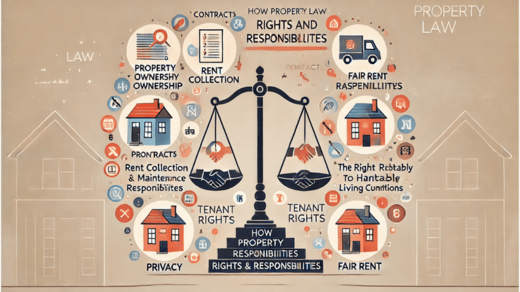
    Property law plays a crucial role in the relationship between landlords and tenants, defining the rights and responsibilities of both parties. Understanding these legal aspects is essential for maintaining a harmonious and legally compliant rental relationship. This article delves into the various ways property law affects landlords and tenants, offering insights into their rights and obligations under the law.

    Understanding Property Law

    Property law encompasses a wide range of legal issues related to real estate, including the buying, selling, leasing, and managing of property. In the context of rental properties, property law governs the relationship between landlords and tenants, outlining their rights and responsibilities in a rental agreement.

    Landlords’ Rights and Responsibilities

    1. Rights of Landlords

    • Right to Receive Rent: Landlords are entitled to receive rent as specified in the lease agreement. They have the legal right to collect rent on time and in the amount agreed upon.
    • Right to Property Access: Landlords have the right to access the property for inspections, repairs, or maintenance. However, they must provide proper notice to the tenant before entering the property, usually 24 to 48 hours in advance, depending on local regulations.
    • Right to Evict: If a tenant violates the lease agreement or fails to pay rent, landlords have the right to initiate eviction proceedings. The eviction process must follow legal procedures and provide the tenant with the opportunity to rectify the situation or contest the eviction.
    • Right to Security Deposit: Landlords can require a security deposit to cover potential damages or unpaid rent. The deposit amount and conditions for its return should be specified in the lease agreement and comply with local laws.

    2. Responsibilities of Landlords

    • Maintain Habitability: Landlords are responsible for ensuring that the rental property meets health and safety standards. This includes maintaining essential services such as heating, plumbing, and electricity, and addressing any issues that may affect the tenant’s health or safety.
    • Repair and Maintenance: Landlords must address repair requests in a timely manner. They are responsible for fixing issues that arise due to normal wear and tear, while tenants may be responsible for minor repairs or maintenance tasks as outlined in the lease agreement.
    • Respect Tenant Privacy: Landlords must respect tenants’ privacy and cannot enter the property without proper notice, except in cases of emergency. Unauthorized entry may constitute a violation of the tenant’s rights.
    • Comply with Fair Housing Laws: Landlords must adhere to fair housing laws, which prohibit discrimination based on race, color, religion, sex, national origin, disability, or familial status. Ensuring equal treatment and providing a non-discriminatory rental process is essential.

    Tenants’ Rights and Responsibilities

    1. Rights of Tenants

    • Right to a Habitable Home: Tenants have the right to live in a rental property that is safe and habitable. This includes working heating and cooling systems, proper sanitation, and a structurally sound building.
    • Right to Privacy: Tenants are entitled to privacy in their rental unit. Landlords must provide adequate notice before entering the property and cannot intrude without consent, except in emergencies.
    • Right to Fair Treatment: Tenants have the right to be treated fairly and without discrimination. They should not face any bias based on race, gender, disability, or other protected characteristics.
    • Right to Security Deposit Return: Tenants are entitled to the return of their security deposit at the end of the lease term, minus any deductions for damages beyond normal wear and tear. The conditions for the return of the deposit should be clearly stated in the lease agreement.

    2. Responsibilities of Tenants

    • Pay Rent on Time: Tenants are responsible for paying rent in full and on time as specified in the lease agreement. Failure to do so may result in late fees or legal action.
    • Take Care of the Property: Tenants must maintain the rental property in good condition and report any maintenance issues to the landlord promptly. They should also avoid causing damage beyond normal wear and tear.
    • Follow Lease Agreement: Tenants are required to adhere to the terms and conditions outlined in the lease agreement. This includes abiding by rules related to noise, pets, and the use of common areas.
    • Respect Neighbors: Tenants should respect their neighbors and avoid activities that may cause disturbances or nuisance. This includes managing noise levels and following community guidelines.

    Dispute Resolution and Legal Recourse

    Disputes between landlords and tenants can arise for various reasons, including disagreements over rent, maintenance issues, or lease violations. Property law provides mechanisms for resolving these disputes:

    1. Mediation: Mediation is a voluntary process where a neutral third party helps landlords and tenants reach a mutually acceptable resolution. It can be a cost-effective and quicker alternative to litigation.

    2. Legal Action: If mediation fails, legal action may be necessary. Tenants or landlords can file complaints in small claims court or seek legal advice for more serious issues. The court will review the evidence and make a binding decision based on the law.

    3. Eviction Proceedings: In cases where eviction is necessary, landlords must follow the legal process, which typically involves providing notice to the tenant, filing an eviction lawsuit, and obtaining a court order for eviction. Tenants have the right to contest the eviction and present their case in court.

    Local Laws and Regulations

    Property law can vary significantly depending on the jurisdiction. It is important for both landlords and tenants to familiarize themselves with local laws and regulations governing rental properties. These laws may cover issues such as:

    • Rent Control: Some areas have rent control laws that limit how much rent can be increased each year.
    • Tenant Protection Laws: Certain jurisdictions have specific protections for tenants, such as laws related to eviction notices, repair requests, and discrimination.
    • Deposit Limits: Local laws may dictate the maximum amount landlords can charge for security deposits and the timeframe for returning them.

    Conclusion

    Property law plays a vital role in defining the rights and responsibilities of landlords and tenants. Understanding these legal aspects is essential for ensuring a positive and legally compliant rental experience. Landlords must fulfill their obligations to maintain a habitable property, respect tenant privacy, and comply with fair housing laws. Similarly, tenants are responsible for paying rent, maintaining the property, and following lease terms. By adhering to property laws and seeking resolution through mediation or legal channels when disputes arise, both parties can foster a respectful and effective rental relationship.

  • 30 Property Law FAQs for Buyers, Sellers, and Renters

    Property Law for Buyers

    What is a property title?

    A legal document that evidences ownership in and out any claims, liens, or encumbrances.

    What is title insurance, and do I need it?

    Title insurance protects buyers against ownership disputes or undisclosed claims. Very highly recommended, just for the peace of mind.

    What is a purchase agreement?

    A legal agreement between a buyer and seller outlining the specifics of a real estate transaction, such as purchase price, contingencies, and closing date.

    Also read:

    What is escrow?

    A third party maintains funds and documents in an escrow account until all contingencies are met on a real estate transaction before transferring the property.

    What are closing costs?

    Expenses at consummation of a real estate purchase, including real estate taxes, title insurance, attorney fees, and loan origination fees.

    What is a property survey?

    A survey map that may be required by a lender or title insurer to reflect property boundaries and improvements.

    What happens if the seller fails to disclose property defects?

    Buyers can sue for damages or rescind the sale if the seller violated disclosure laws.

    What is a contingency in a property contract?

    A condition that must be met for the sale to proceed, such as securing financing or passing a home inspection.

    Can I walk away from a purchase agreement?

    Yes, but only if it is under the terms of the contract, such as a failed contingency. Otherwise, you lose your earnest money.

    What is a deed?

    A legal document transferring ownership of property from one party to another.

    Property Law for Sellers

    What are my obligations as a seller?

    Sellers must disclose known material defects, provide a clear title, and follow the terms of the purchase agreement.

    What is earnest money?

    A deposit made by the buyer to show serious intent to purchase. If the buyer backs out without valid reasons, the seller may keep it.

    Can I sell a property with a lien?

    Yes, but the lien must be paid off or resolved before the sale can close.

    Do I need a real estate agent to sell my property?

    No, but an agent can make it easier and ensure that everything is done legally.

    What happens if a buyer defaults on the purchase agreement?

    The seller may retain the earnest money, sue for damages, or seek specific performance to enforce the contract.

    What is a short sale?

    Selling a property for less than the outstanding mortgage balance, often requiring lender approval.

    Do I have to pay capital gains tax on my property sale?

    It depends on the sale price, your profit, and how long you’ve owned and lived in the property. Exemptions exist for primary residences.

    What is a property disclosure statement?

    A document detailing known issues with the property, required by law in most states.

    Can I sell a property “as-is”?

    Yes, but you must still disclose known defects unless otherwise exempt by law.

    What is dual agency in real estate?

    When one real estate agent represents both the buyer and seller in a transaction, requiring full disclosure and consent.

    Property Law for Renters

    What is the difference between a lease and a rental agreement?

    A lease is a long-term agreement (e.g., one year), while a rental agreement is usually month-to-month.

    What are my rights as a tenant?

    Tenants generally have rights to a habitable property, privacy, and protection from unlawful eviction.

    Can a landlord raise rent in the middle of a lease term?

    No, unless the lease explicitly provides for a mid-term increase.

    What is a security deposit, and when do I get it back?

    A refundable deposit to cover damages or unpaid rent, returned after the lease ends minus any deductions for legitimate expenses.

    What is an eviction?

    A legal process through which a landlord evicts a tenant for not fulfilling lease agreements, including rent default or intentional property damage.

    Can a landlord enter my rental without notice?

    Only in the case of emergency or by states laws that often permit notice before coming to inspect and repair.

    May I break my lease without penalty?

    Yes in such circumstances like living in uninhabitable or dangerous conditions; or on order from the armed forces; and/or mutual decision between you and the landlord.

    What is subleasing?

    When a tenant rents their leased property to another person, usually requiring the landlord’s consent.

    What happens if I don’t pay rent?

    The landlord can issue a notice to pay or quit, and if unresolved, may begin eviction proceedings.

    What is a rent control ordinance?

    Local laws that limit rent increases and provide protections against arbitrary evictions in certain areas.

    These FAQs address common legal concerns for buyers, sellers, and renters. Let me know if you’d like further explanations or assistance with specific scenarios!

  • 20 Critical Questions About Property Law and Ownership

    General Property Law

    What is property law?

    Property law is the law relating to ownership, use, and transfer of real and personal property.

    What are the two main types of property?

    Real property is land and structures, while personal property includes movable items such as a vehicle or furniture.

    What is the difference between freehold and leasehold property?

    Also read:

    Freehold property gives absolute ownership, whereas leasehold property gives rights for a fixed term subject to the terms of a lease.

    What is a deed?

    A deed transferring ownership of real property from one party to another.

    What is title insurance?

    Insurance protecting buyers and lenders of property against the possibility of someone else’s undisclosed claim or a dispute over who owns the property.

    Property Ownership

    What are the forms of property ownership?

    Sole ownership, joint tenancy, tenancy in common, tenancy by entirety-married couples- and community property-in some states.

    What is joint tenancy?

    Co-ownership in which parties hold equal shares with right of survivorship. Ownership will pass to the surviving owners on one owner’s death.

    What is adverse possession?

    Legal principle permitting someone to acquire ownership of land, if that person uses the land openly and continuously for a statutory period.

    Can a property be owned by more than one owner?

    Yes, properties may be co-owned either equally or unequally according to agreement.

    What is an easement?

    A legal right to use another person’s property for a specific purpose, such as access to a road or utilities.

    Buying and Selling Property

    What is escrow in real estate transactions?

    A neutral third party holds funds and documents during a property transaction to ensure all terms are met.

    What are closing costs?

    Fees associated with finalizing a property purchase, including taxes, title insurance, and legal fees.

    What is a property survey?

    A graphic, detailed description of a property’s boundaries, improvements, and features, often needed for title insurance.

    What is a contingency in a property purchase contract?

    Conditions, such as loan approval or inspections, that have to be met before the sale can close.

    What if the seller does not disclose defects?

    Buyers can sue for damages or seek rescission of the sale if the defects were concealed and material.

    Leases and Tenancies

    Difference between a lease and a rental agreement

    A lease typically has a fixed term, while a rental agreement is month-to-month.

    Rights of tenants

    Rights vary by jurisdiction but typically include habitability, privacy, and protection against unlawful eviction.

    What is an eviction?

    This is the legal process to remove a tenant who breaches the terms of a lease, such as non-payment of rent.

    Property Disputes

    What does a lien on property mean?

    A legal claim against a property for unpaid debts, such as mortgages, taxes, or contractor fees.

    How are boundary disputes resolved?

    Through surveys, negotiation, or court action to determine the accurate property line.

    These questions address critical aspects of property law and ownership.

  • 25 Property Law Questions: Land, Leasing, and Transactions Explained

    Land Ownership

    What is the distinction between real property and personal property?

    Real property refers to land and anything permanently attached to it, such as buildings and trees, while personal property is movable, such as furniture and vehicles.

    What is freehold ownership?

    Ownership of property without any time limit, meaning full rights to use, lease, or sell the land.

    What is a deed?

    A legal document transferring ownership of real property from one party to another.

    Also read:

    What is title insurance?

    Insurance that protects property buyers and lenders against potential disputes or defects in the title.

    What is adverse possession?

    A legal principle that allows someone to claim ownership of land if they openly and continuously occupy it for a statutory period.

    Property Transactions

    What is escrow in real estate?

    A third party holds funds and documents during a property transaction to ensure all conditions of the sale are met.

    Closing costs: Closing costs are those fees paid in a real estate transaction, at the closing, which include the payment of various taxes, title insurance, and legal fees, among others. Property survey: A property survey is a very detailed map indicating the boundaries of a property with structures and other features, commonly required for obtaining title insurance. Contingency: A condition that must be satisfied before a sale can take place, such as a home inspection or loan approval.

    What is the seller liable for if it fails to disclose defects?

    A buyer may file a claim for damages or seek rescission of the contract based on a material, undisclosed defect that violates disclosure laws.

    Leases and Leases Agreements

    What’s the difference between a lease and a rental agreement?

    A lease is a term agreement (say, one year), while a rental agreement is month-to-month.

    Tenants generally have rights to habitable living conditions, privacy, and protection from unlawful eviction.

    Can a landlord raise the rent in the middle of a lease term?

    Only if the lease agreement includes a clause allowing it or if the tenant agrees to it. Rent increases are usually only allowed at renewal.

    What is a security deposit, and how is it treated?

    A refundable deposit made by the tenant for damages or unpaid rent and is held by the landlord until the end of the lease.

    What is eviction and how is it done?

    Eviction is the legal process for removing a tenant who breaks a lease term. Landlords need to provide notice and typically seek a court order.

    Land Use and Zoning

    What is zoning?

    The local regulations for land use such as residential, commercial, or industrial uses.

    What is an easement?

    A legal right for one to use another’s property for a specific purpose, for example, accessing a driveway or installing utility facilities.

    What is eminent domain?

    The right of the government to take private property for public use with just compensation to the owner.

    Can a landowner limit access to his or her land?

    Yes, unless there is a valid right of way, easement, or zoning that allows access.

    What is a restrictive covenant?

    A restriction in a deed to the property that restricts what can be done with the property, such as types of structures not allowed.

    Property Disputes

    What is a property lien?

    A legal claim against the property as collateral for some debt, like unpaid mortgages or contractor fees.

    How are boundary disputes resolved?

    Property surveys or negotiation, mediation, or court actions to determine the correct boundary line.

    What happens if there is a title defect?

    Title defects such as unresolved liens or disputes over ownership need to be resolved before selling a property.

    Quiet title action: A lawsuit aimed at settling claims or removing any clouds over the title to the property to guarantee clear ownership.

    How do co-owners settle disputes over the property?

    The co-owners can agree among themselves, sell their interest or seek the intervention of a court for partition and sale of the property.

    These FAQs offer a foundational understanding of property law relating to land, leasing, and transactions.

  • 40 Key Property Law Questions Answered for Real Estate Enthusiasts

    General Property Law

    What is property law?

    Property law deals with the ownership, use, and transfer of land as well as personal property.

    What are the principal types of properties?

    Real estate refers to land and other permanent structures, while personal property consists of movable goods, such as cars or household furniture.

    What is a deed?

    A legal document transferring real property from one party to another.

    Also read:

    What is a title?

    In law, a term used to describe property ownership-rights and claims.

    What is title insurance?

    Insurance that protects buyers and lenders from claims against the ownership of a property.

    Types of Property Ownership

    What are the different forms of property ownership?

    Sole ownership, joint tenancy, tenancy in common, tenancy by entirety for married couples, and community property.

    What is joint tenancy?

    Co-ownership in which each party holds equal shares with rights of survivorship. That means ownership is transferred to the remaining owners in case one or more owners die.

    What is a life estate?

    Ownership for the period of a person’s lifetime and then passes ownership to another party known as the remainderman.

    What is adverse possession?

    A legal principle that enables one to acquire land ownership after overtly and undisturbed use for a prescriptive period of time.

    What is an easement?

    The legal right granted to use other people’s properties for a certain purpose, say to access a road or connect utilities.

    Transactions in Property

    What is real estate escrow?

    A neutral third party holds funds and documents until all conditions of a property transaction are met.

    What are closing costs?

    Taxes, title insurance, and attorney fees paid in closing a property purchase.

    What is a purchase agreement?

    A legal contract between buyer and seller detailing the terms of a property sale.

    What is a contingency in a property contract?

    Conditions that need to be met for a sale to go through, such as getting financing or a satisfactory inspection.

    What if a seller doesn’t disclose defects in the property?

    Buyers can sue for damages, rescind the sale, or demand repairs if the defect violates disclosure laws.

    What is a short sale?

    The sale of a property for less than the mortgage balance, usually requiring lender approval.

    What is a property survey?

    A detailed map showing property boundaries, structures, and easements, often required for title insurance.

    What is dual agency in real estate?

    When one agent represents both the buyer and seller, requiring full disclosure and consent.

    What is earnest money?

    A deposit showing the buyer’s serious intent to purchase, often forfeited if the buyer backs out without valid reasons.

    Can you sell a property with a lien?

    Yes, but the lien must be satisfied or resolved before the sale is finalized.

    Land Use and Zoning

    What is zoning?

    Local regulations dictating how land can be used, such as residential, commercial, or industrial purposes.

    What is eminent domain?

    The government’s right to take private property for public use, with fair compensation.

    What is a restrictive covenant?

    A condition in a deed limiting property use, like prohibiting commercial activities in residential areas.

    What is variance in zoning?

    An exception by local authorities that allows property use outside current regulations.

    Landlocked Property

    Property without direct access to public roads, usually requiring easements for access.

    Leasing and Tenancies

    What is the difference between a lease and a rental agreement?

    A lease is a fixed-term contract, such as one year. A rental agreement is usually month-to-month.

    What are tenants’ rights?

    Rights to a habitable property, privacy, and not to be thrown out of possession without due cause.

    Can one raise the lease rent during term?

    Only under special conditions specifically provided for in the contract or with tenant’s consent on an increase.

    What is Security Deposit?

    Repayable cash advance given the tenant to reserve damages or late payment of arrears left unpaid at expiration of the Lease, after netting legitimate withdrawals.

    What’s subleasing?

    Subletting end

    When a tenant rents their leased property to another person, usually requiring the landlord’s consent.

    Property Disputes

    What is a property lien?

    A legal claim against property as collateral for unpaid debts, such as mortgages or contractor fees.

    How are boundary disputes resolved?

    Through surveys, negotiation, mediation, or court action to determine property lines.

    What is quiet title action?

    A lawsuit to resolve disputes or remove clouds on a property title, ensuring clear ownership.

    What if there’s a title defect?

    It has to be cured before the property can be sold through the settlement of liens and correction of ownership problems.

    What is encroachment?

    The intrusion of one structure on another, usually a case of dispute or litigation.

    Miscellaneous Property Law Questions

    What is a homestead exemption?

    A legal provision which protects the homeowner’s equity from the creditors or reduces property taxes.

    What is a deed restriction?

    A restriction in the deed on how the property may be used, such as prohibiting certain types of buildings.

    What is tax foreclosure?

    When the government takes possession of a property due to unpaid property taxes.

    What is tenancy in common?

    Co-ownership where each party owns a specific share of the property, which can be transferred without the other owners’ consent.

    What is community property?

    It is a system in some states whereby property acquired during marriage is held equally between spouses.

    This FAQs covers fundamental issues of the law of property for real estate enthusiasts.