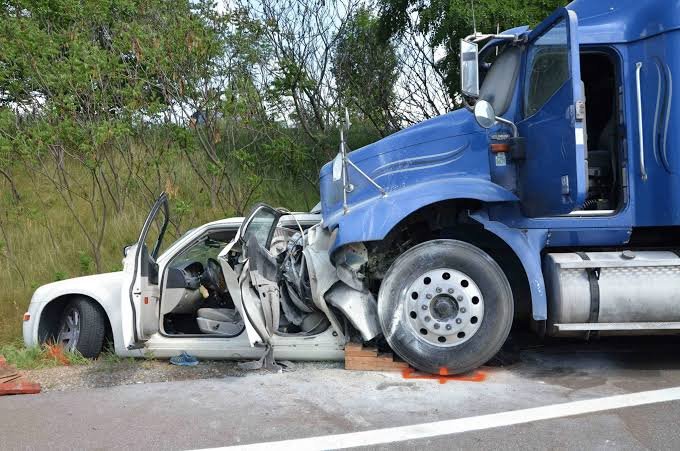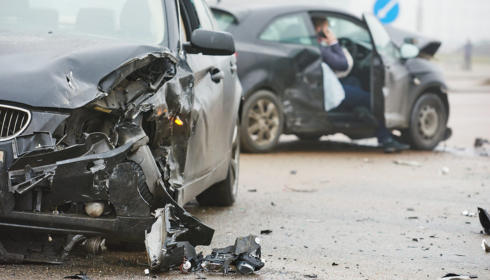
It’s not a typical fender bender in New York City if you’ve ever been in a crash with a yellow cab, an Uber, or a delivery truck. It all seems quite simple at first: two vehicles collide, someone’s at fault, insurance pays, done. Things start to escalate fast once you start digging into what actually happens behind the scenes. Suddenly, there are multiple insurance companies involved, corporate policies to untangle, and questions about who was “on the clock.” It’s often at this point that people reach out to a car accident lawyer Bronx residents trust when commercial vehicles are involved, because the situation feels quite overwhelming. Accidents involving taxis, rideshare drivers, and delivery trucks aren’t just regular crashes. They come with extra layers, including business liability, commercial insurance coverage, and sometimes even disputes over employment status. In a city packed with rideshares and delivery vans on nearly every block, understanding why these cases are more complicated than they look can make a huge difference. Let’s walk through it step by step.
Why Commercial Vehicle Accidents Aren’t Like Regular Car Crashes
In most cases, a collision between two private vehicle operators comes down to simple negligence. Who blew the red light? Who was texting while driving? Who didn’t yield? Now throw in a company. If one of these vehicles is being used for profit by delivering passengers or packages, the playing field changes, and it’s no longer simply a matter between the two operators.
You could be looking at:
- Commercial insurance policies
- Employers and corporations
- Independent contractor agreements
- Company safety policies
- City and state transportation laws
It’s not simply a matter of what happened at the intersection. It’s a matter of who was working, what policy is in effect, and whose financial responsibility it is. In the city of New York, where traffic is already hectic, it doesn’t take long for this complex situation to unravel.
Taxi Accidents: Layers of Responsibility
Taxis in New York City are subject to local regulations. The driver must be licensed, and the taxi must be registered for commercial use. In addition, many operate under a leased medallion or fleet management company. So while the obvious question in a taxi accident may be ‘Was it the driver’s fault?’, that may only be the beginning.
Who might be liable for an accident involving a taxi:
- The taxi driver
- The owner of the fleet
- The company that manages the medallion
- Another driver entirely
If you are riding in a taxi through Midtown Manhattan and the driver makes an illegal turn into another car, it’s likely clear that the taxi driver was at fault.
However, then the questions begin:
- Was he working for a company?
- Was he leased from another owner?
- Was there a fleet owner involved?
Commercial insurance policies have higher limits than personal policies. While it might be reassuring to know that there are higher limits involved in a claim, it also means that insurance companies are going to be more aggressive in defending those claims. The bigger the claim, the harder they will fight.
Uber and Lyft Crashes: The Insurance Timeline Puzzle
Rideshare accidents add another twist because coverage depends on what the driver was doing at the exact second of the crash.
There are generally three phases that matter:
- The driver is offline (app off).
- The driver is logged in and waiting for a ride request.
- The driver has accepted a ride or has a passenger in the car.
Each phase provides different levels of insurance coverage. Without the app on, the individual’s personal insurance coverage is used. While waiting for a ride, perhaps only a limited level of corporate insurance is available. Once a ride is accepted or a passenger is in the car, a higher commercial insurance policy is usually in effect.
Now, think about the difficulty of establishing whether the ride was accepted five seconds before the accident or five seconds after. This is a minute difference that can make a huge difference between a personal insurance policy and a commercial policy that pays out a million dollars.
A Harlem personal injury lawyer will usually investigate the app and electronic records to establish exactly which phase the driver was in. Without this evidence, the insurance company will claim that the lower insurance coverage is applicable. They certainly won’t give the injured party any information that will make them pay out more.
Delivery Truck Accidents: Corporate Liability Questions
Delivery vehicles are everywhere in NYC. Amazon vans double-parked on busy avenues. UPS trucks are blocking narrow side streets. Grocery delivery cars are rushing through intersections.
When a delivery driver causes a crash, one major question comes up: Were they working at the time? If the driver was actively delivering packages, the company may be responsible under a principle called vicarious liability. In simple terms, employers can be held accountable for what employees do while performing their job duties.
But here’s where things get tricky. Many delivery drivers are classified as independent contractors instead of employees. Companies sometimes argue that because of that label, they aren’t directly responsible. So now the dispute shifts from “Who caused the crash?” to “Who legally controls this driver?” That classification battle can shape the entire case.
Multiple Insurance Policies in Play
One of the biggest reasons these cases get complicated is the number of insurance policies involved.
You might have:
- The rideshare company’s insurer
- The driver’s personal insurer
- The other vehicle’s insurer
- Possibly a contractor’s separate policy
Each company may try to shift responsibility elsewhere, making it difficult to determine who is ultimately liable for your claim.
Higher Stakes Mean Harder Fights
Commercial insurance policies often carry larger coverage limits, which can mean more compensation for serious injuries, but also means insurers take claims very seriously.
You might face:
- Requests for recorded statements
- Extensive medical reviews
- Independent medical exams
- Background investigations
- Tough settlement negotiations
It’s not uncommon for corporate insurers to question the severity of injuries or even dispute liability entirely. More money on the table equals more resistance.
Regulatory Rules Add Another Layer
Taxis and commercial vehicles are subject to additional regulations beyond regular traffic laws. These may include:
- Limits on driving hours
- Maintenance and inspection requirements
- Licensing standards
- Company safety protocols
If a delivery driver was working excessive hours and caused a fatigue-related crash, that violation could strengthen a victim’s case.
Similarly, if a company failed to maintain its vehicles properly, that oversight might establish negligence. But uncovering those records usually requires formal legal steps. Companies don’t always hand over internal documentation willingly.
Passenger Claims vs. Driver Claims
If you’re a passenger in a rideshare or taxi, you’re typically not considered at fault. But determining which insurance policy covers your injuries still requires careful analysis.
If you’re another driver struck by a commercial vehicle, insurers may attempt to assign partial blame to reduce payouts. If you’re a pedestrian hit by a delivery truck, multiple corporate entities may be involved in defending the claim. Each scenario has its own legal pathway, and no two cases are exactly alike.
Serious Injuries Are More Common
Commercial vehicles tend to be heavier and larger than personal cars. Delivery trucks, especially, can cause significant damage.
As a result, injuries may be more severe:
- Spinal injuries
- Head trauma
- Multiple fractures
- Long-term physical limitations
When injuries are serious, long-term medical care and lost earning capacity become major parts of the claim. And again, because potential payouts increase, insurers often fight harder.
Settlement vs. Litigation
Unlike other accidents, commercial accident cases are more likely to go through a settlement. They may take a longer time to settle. In some cases, a court suit may have to be filed. This is especially true if there’s a need to obtain internal records from the company. There’s a big chance that insurance companies will not voluntarily provide the details. While it may extend the time frame, litigation may provide the aggrieved party with more information.
Why These Cases Feel Overwhelming
With the type of accident described, one could call it simply infuriating. But adding corporate layers, multiple policies, interactions with multiple adjusters, and the question of which insurance company is the right one to deal with can be even more challenging. But this is understandable frustration. The system is simply not good at making things easy. Commercial vehicle and corporate policies systems have always been anything but simple.
Protecting Yourself After a Commercial Crash
In the event of a commercial vehicle accident involving a taxi, Uber, or delivery truck in New York City, the following actions are recommended. Call the police to create a formal report of the incident and take pictures of all the vehicles, including their license plates. Likewise, take pictures of the company logo, vehicle ID or number. Exchange information with the driver and their insurance company. Seek medical attention as soon as possible. Do not provide any statements, especially recorded statements, until you have exhausted all of your options. Photographing a company logo is a detail that can help you later.
Final Thoughts
Taxi, Uber, and delivery truck crashes in New York City aren’t simple accidents. They involve corporate responsibility, layered insurance coverage, employment classification questions, regulatory rules, and often higher financial stakes. What looks straightforward at first glance usually has several moving parts underneath. Understanding that from the beginning can help you approach the situation with clarity instead of confusion. In a city where commercial vehicles are everywhere, consulting a car accident lawyer Manhattan residents trust can make all the difference in protecting your recovery and your peace of mind. Knowing why these cases are more complicated than they seem ensures your claim is handled properly and that your rights are fully safeguarded.