Blog

  • Getting Your Genting Highlands Dates Right

    Getting Your Genting Highlands Dates Right

    Genting Highlands is Malaysia’s cool-climate hill resort, with theme parks, a casino, cable cars and misty mountain air just an hour from Kuala Lumpur. It’s the easiest weekend escape from the city heat. Here’s how to make the most of it. If you’re planning a trip, it’s worth book your Genting Highlands trip on Traveloka before you lock in your dates.

    The best time to go

    It’s a year-round escape thanks to the altitude; weekdays are much quieter than weekends and school holidays. Prices and crowds both climb over public holidays, so flexible dates genuinely pay off.

    Booking your flights

    There’s no airport; fly into Kuala Lumpur (KUL), then it’s about an hour by road or a scenic cable-car ride up from the base station. Many visitors pair it with a KL trip. Traveloka tends to have the cheapest flight deals in Southeast Asia, and it’s usually where we find the best fare. Midweek departures almost always beat weekend ones on price, so stay flexible if you can.

    Where to stay

    The peak resort clusters the hotels, malls and attractions in one walkable complex; cooler mid-hill stays are quieter; and KL is close enough for a split trip. We book hotels on Traveloka, which offers the cheapest rates in the region and is widely seen as SEA’s best OTA. Book early for weekends, when the best-value rooms tend to go first.

    What to do

    Make time for the Genting SkyWorlds theme park, the Awana SkyWay cable car, the Chin Swee Caves Temple, the indoor attractions and arcades, and the cool-air mountain viewpoints. Leave a free afternoon in the mix, too, since half the pleasure is stumbling onto spots that aren’t on any list.

    Getting around

    Everything at the top sits within the connected resort complex, walkable via covered links; the cable car and buses handle the trip up and down. A little local know-how saves both time and money over a short trip.

    A little courtesy

    Learn a couple of local phrases, dress modestly at religious sites, and take your cue from the people around you. Small gestures make Genting Highlands friendlier and smooth over the little moments.

    Leave room to wander

    Resist the urge to over-schedule. The best memories of Genting Highlands are usually the unplanned ones, so leave gaps for a long lunch, a wrong turn, or an afternoon that happily runs late.

    Getting the timing right

    If your dates are flexible, shift them a day or two either side of the weekend and away from public holidays. On Genting Highlands routes that small change often means noticeably cheaper flights and better-value rooms.

    Keep it flexible

    Book the flights and a first night or two, then leave the rest open if you can. It lets you follow a local tip, chase the good weather, or simply linger somewhere in Genting Highlands you weren’t ready to leave.

    A note on money

    Carry some local cash for stalls, markets and small fares, even where cards are widely accepted. Setting a rough daily budget keeps things relaxed and makes Genting Highlands feel like even better value than it already is.

    Before you book

    Sort the flights and a room, and the rest is easy. Once your dates are set, book your Genting Highlands trip on Traveloka and you’ll spend less time planning and more time enjoying Genting Highlands.

  • Can Charlie Kirk’s Family Clear Utah’s Governmental Immunity Barrier?

    The family of slain Turning Point USA founder Charlie Kirk may be able to present substantial evidence that Utah Valley University and its police department mishandled security before the fatal shooting occurred. However, whether that evidence will reach a jury is a separate, and potentially decisive, question due to Utah’s broad Governmental Immunity Law.

    The Kirk family’s notice of claim points to a series of alleged security failures at Utah Valley University (UVU), including unmonitored surveillance feeds and concerns about elevated areas overlooking the event space, among others. An independent review also found that the college did not conduct a standard security assessment or seek mutual aid from neighboring law enforcement agencies, and failed to utilize certain security and surveillance tools at its disposal. 

    Of all the information unveiled in the independent review, perhaps the most scrutinized detail has been a four-word text attributed to UVU Police Chief Jeff Long. After a Turning Point USA security supervisor raised concerns about a balcony and related sightline issues, Long allegedly responded via text, saying, “I got you covered.” 

    The question now stands whether this alleged assurance from the governmental official in charge of keeping Charlie Kirk safe could do more than simply support a negligence claim. The Kirk family is hoping it could help them overcome a statutory shield that often prevents wrongful-death claims in the state of Utah from progressing. 

    Creating a factually compelling claim 

    Attorney Brian C. Stewart of Parker & McConkie, Personal Injury Lawyers, believes the factual nature of the Kirk family’s claims is as compelling as it is serious. 

    “The notice of claim filed by Charlie Kirk’s family lays out a troubling account of what happened at Utah Valley University last year,” Stewart said. “There was no written security plan, only six officers for an outdoor crowd of about 3,000, a request for more officers that was denied, and a warning about rooftop access that the police chief allegedly answered with just four words.”

    The Kirk family’s claim is straightforward: the university hosted the event, placed responsibility for safety in the hands of campus law enforcement, and failed to take reasonable steps to address foreseeable security risks. Although the independent review found that university personnel had security concerns well before the event took place, including concerns about the event’s location, elevated-access vulnerabilities, and the prominence of Kirk himself, the event proceeded in an open courtyard without a formal security assessment or written plan.

    On the day of the shooting, 3,000 people packed the open-air event location, far exceeding the 600-person estimate the campus club initially provided in its event application. The university deployed six on-duty officers. Two plainclothes Utah State University officers and private security personnel were also present. UVU did not request additional officers or security measures, according to Kirk’s family, despite no bag checks, metal detectors, or drone surveillance being present. 

    Reports also found that surveillance equipment was not being properly monitored. Footage later revealed the alleged shooter reaching the Losee Center roof at 12:17 p.m., approximately six minutes before the fatal shooting. The university reportedly had building-lockdown capability and a tool to detect human activity in restricted areas, including rooftops, but did not use either system.

    “The Kirk family has a very compelling case based on the facts,” shares Steward. “Their real challenge is the law.”

    Though the evidence of inadequate planning and unfettered rooftop access strengthens the family’s claim of negligence, it may not automatically mean that Utah law will allow them to obtain damages from the university or the government-employed police chief. 

    The Utah immunity obstacle 

    Utah’s Governmental Immunity Act states broadly that governmental entities and employees are generally immune from suit for injuries resulting from governmental functions. Among the most consequential provisions is Utah Code Section 63G-7-201(4)(b). It preserves immunity for injuries that “arise out of or in connection with, or result from” assault or battery, among other intentional torts. This includes shootings. 

    It is the wording that may cause complications for the Kirk family, as Charlie Kirk’s death resulted from a shooting by a third party. The family will likely attempt to characterize the claim not as a suit over the alleged shooter’s conduct, but as a suit over the university’s own alleged negligence. It is still possible, however, that Utah courts will choose to focus on the source of the injury. If the death is deemed to have arisen from or resulted from a battery — the shooting itself — the governmental defendants could argue that the statute bars the claim, even if a plaintiff can plausibly allege that official failures contributed to the circumstances.

    “Even if the agency was reckless, the claims can be dismissed before a jury even hears the evidence,” says Stewart. “It’s a steep legal hill to climb.”

    Immunity can end a case within its earliest stages, meaning a court may never get to decide if UVU acted reasonably or if their negligence directly led to Kirk’s death.

    Providing potential legal pathways to justice 

    The alleged “I’ve got you covered” text could help Kirk’s family argue that UVU police assumed responsibility for the specific security concerns raised by Kirk’s appearance that day. The family could easily contend that Kirk’s own security team rested their concerns on that assurance from the Police Chief. However, that message alone may not be enough to overcome Utah’s Governmental Immunity Act. 

    A broader path to a successful claim and recovery may hinge on a constitutional challenge. Stewart explains this path in the context of one of his firm’s well-known clients, the family of murder victim Gabby Petito, whose wrongful death case was dismissed under the same immunity framework and is now under appeal with the Utah Supreme Court. 

    “The Utah Constitution is clear,” Stewart said. “The right to recover for wrongful death should never be limited by statute.” He added: “Accordingly, we believe that the Immunity Act as applied to wrongful death claims is unconstitutional.”

    If the court agrees, it could clear the way for the Kirk family to proceed with a standard negligence case, allowing a clear pathway for the Kirk family and others who believe they were tragically failed by the state to seek the justice they deserve. 

  • Building a Credible Online Presence for a Law Firm

    For many people, the search for legal help begins online. A potential client may look for a divorce lawyer, property advocate, criminal defense attorney, or family law professional long before they ask a friend for a recommendation. This makes a law firm’s website an important source of information, not merely a digital business card. It should help visitors understand the law, identify the kind of assistance they need, and decide whether the firm is an appropriate place to make an enquiry.

    However, visibility should never come at the expense of accuracy or professional responsibility. Legal services involve personal rights, finances, families, and sometimes liberty. A strong online presence for a law firm therefore depends on useful content, clear communication, and marketing practices that respect applicable professional rules.

    Why Online Credibility Matters in Legal Services

    Legal clients are often dealing with stressful circumstances. Someone facing a custody dispute, an accident claim, a workplace issue, or a criminal allegation may have little knowledge of court procedure or legal terminology. They need reliable initial guidance, not exaggerated promises.

    A credible website can answer basic questions before the first consultation. For example, a family law page might explain the difference between legal custody and physical custody. A personal injury page could outline the documents a claimant should preserve after an accident. These explanations do not replace individualized legal advice, but they show that the firm understands the subject and communicates it clearly.

    Trust is also affected by practical details. A visitor should be able to find the firm’s location, contact methods, areas of practice, and information about the lawyers responsible for the work. Vague claims such as “guaranteed success” or “best lawyer” can create the wrong impression and may conflict with advertising rules in certain jurisdictions.

    Begin With Information That Clients Actually Need

    The most useful legal content is built around the questions clients ask at the start of a matter. Instead of publishing general statements about a firm’s expertise, consider the decisions a person may need to make before seeing a lawyer.

    • What is the usual process for filing or responding to a case?
    • Which documents should be collected and preserved?
    • Are there limitation periods or urgent deadlines?
    • What factors may a court consider?
    • When is negotiation, mediation, or litigation likely to be relevant?

    For example, an article about divorce can explain that property division, maintenance, parenting arrangements, and debts may all need separate attention. An article about a road accident can tell readers to seek medical care, keep photographs and witness details, and avoid signing documents they do not understand. This type of content is practical without assuming facts about an individual case.

    Legal rules differ by state, country, and court. For that reason, pages should identify the jurisdiction they address and avoid presenting broad legal information as a universal answer. A concise note encouraging readers to obtain advice on their own circumstances is usually sensible.

    Structure Practice-Area Pages Clearly

    Practice-area pages are often the first pages potential clients reach through search engines. Each page should focus on one clear service rather than trying to cover every legal issue at once. A page on child custody, for instance, should not be overwhelmed with unrelated material on company formation or criminal bail.

    Explain the issue in plain language

    Start by defining the problem in terms clients recognize. “Child custody” is clearer to most readers than a long description filled with procedural terms. Legal terminology can be introduced where necessary, but it should be explained immediately.

    Describe the likely stages

    People are often anxious because they do not know what comes next. A simple overview may cover consultation, review of records, filing or responding to pleadings, negotiation, hearings, and possible orders. Not every matter follows the same route, so the wording should make clear that procedure depends on the facts and local law.

    Set realistic expectations

    Law firms should avoid predicting results. A better approach is to explain the factors that can affect a case, such as available evidence, statutory requirements, the other party’s response, judicial discretion, and timing. Clients benefit from honesty about uncertainty.

    Develop Authority Without Making Misleading Claims

    Search engines and readers both look for signs that legal information comes from a knowledgeable and accountable source. This does not require inflated language. Attorney biographies, accurate credentials, published explanations of current legal developments, and carefully selected external references can all add context.

    Links from relevant and reputable websites may also help readers discover useful legal resources and help search engines understand a site’s subject matter. The key is relevance and editorial quality. Firms that do not have an internal marketing team may evaluate an outsourced link building service as part of a broader content strategy, but any placement should be relevant to the reader and consistent with legal advertising obligations. Large numbers of unrelated links, paid-looking endorsements, or low-quality directory listings can damage credibility rather than build it.

    Authority is earned over time. A well-researched guide that answers one difficult question is more valuable than several shallow articles written solely to attract traffic.

    Keep Legal Content Current

    Law is not static. Statutes may be amended, court decisions may change how rules are applied, and filing procedures may be updated. Outdated legal information can confuse readers and create avoidable risk for a firm’s reputation.

    A practical review process includes checking high-traffic pages regularly, especially pages concerning limitation periods, family law procedures, employment rights, tax-related obligations, and regulatory requirements. Pages should be revised when the law changes, and old material should be updated or removed if it is no longer reliable.

    It is also important to distinguish educational content from a lawyer-client relationship. A website visitor does not become a client simply by reading an article or sending a general message. Firms should have clear intake procedures before confidential information is exchanged or representation is accepted.

    Measure Quality, Not Just Website Traffic

    More website visits do not automatically mean better results. A useful legal website attracts people who are looking for information that matches the firm’s services and helps them take an informed next step. Metrics such as relevant enquiries, consultation requests, time spent on important pages, and whether visitors can find contact information may be more meaningful than raw traffic totals.

    Above all, a law firm’s online presence should reflect the same standards expected in person: competence, clarity, confidentiality, and respect. When legal content is accurate, understandable, and kept current, it can help people approach a difficult legal issue with greater confidence while allowing the firm to build trust responsibly.

  • Truck Accident Attorney Guide to Protecting Your Rights After a Crash

    Truck Accident Attorney Guide to Protecting Your Rights After a Crash

    A collision involving a commercial truck can leave victims facing serious injuries, financial stress, and uncertainty about what comes next. Unlike ordinary vehicle accidents, truck crashes often involve multiple liable parties, complex federal regulations, and high-value insurance claims. That is why speaking with a truck accident attorney as early as possible can make a significant difference in protecting your legal rights and preserving important evidence.

    Whether the accident involves an 18-wheeler, delivery truck, or other commercial vehicle, understanding the claims process helps victims make informed decisions. This guide explains why truck accident cases are unique, the steps to take after a crash, and how experienced legal representation can improve the likelihood of securing fair compensation.

    Why Truck Accident Cases Are More Complex

    Commercial trucking accidents differ significantly from standard passenger vehicle collisions. Trucking companies operate under strict state and federal regulations, and multiple parties may share responsibility for a crash.

    Potentially liable parties may include:

    • The truck driver
    • The trucking company
    • Vehicle maintenance contractors
    • Cargo loading companies
    • Truck or parts manufacturers
    • Third-party logistics providers

    Determining fault requires a thorough investigation that often includes reviewing maintenance records, driver qualification files, electronic logging devices, black box data, and inspection reports.

    Because commercial insurers often respond immediately after a serious collision, victims benefit from having legal guidance before providing recorded statements or accepting settlement offers.

    Common Causes of Commercial Truck Accidents

    Understanding what contributes to truck crashes helps establish liability during a legal claim.

    Some of the most common causes include:

    • Driver fatigue
    • Distracted driving
    • Speeding
    • Impaired driving
    • Improper cargo loading
    • Mechanical failures
    • Brake defects
    • Tire blowouts
    • Poor vehicle maintenance
    • Inadequate driver training
    • Unsafe lane changes
    • Weather-related driving errors

    Many accidents involve multiple contributing factors rather than a single mistake.

    Why Evidence Disappears Quickly

    One of the biggest challenges after a truck accident is preserving evidence before it is lost.

    Critical evidence may include:

    • Black box data
    • Dash camera footage
    • Driver logbooks
    • Electronic logging device records
    • Cell phone records
    • Maintenance logs
    • Inspection reports
    • Surveillance footage
    • Witness statements
    • Scene photographs

    Some trucking records are only retained for limited periods. Acting quickly allows a truck accident attorney to request preservation of this evidence before it is deleted or destroyed.

    Steps to Take Immediately After a Truck Accident

    The actions taken during the hours and days following a crash can significantly affect both physical recovery and legal claims.

    1. Seek Medical Attention

    Even if injuries seem minor, obtain a medical evaluation as soon as possible. Certain injuries, including traumatic brain injuries and internal bleeding, may not show immediate symptoms.

    Medical records also establish an important connection between the accident and your injuries.

    2. Contact Law Enforcement

    An official police report documents the scene and provides valuable information regarding involved parties, witnesses, and initial observations.

    3. Document the Scene

    If it is safe to do so, collect:

    • Photos of all vehicles
    • Road conditions
    • Traffic signs
    • Skid marks
    • Vehicle damage
    • Visible injuries
    • Cargo spills
    • Weather conditions

    The more documentation available, the stronger the potential claim.

    4. Gather Witness Information

    Independent witnesses often provide objective accounts that strengthen liability investigations.

    Collect names and contact information whenever possible.

    5. Avoid Discussing Fault

    Avoid making statements that could later be interpreted as accepting responsibility.

    Simply provide factual information to responding officers.

    6. Speak With a Truck Accident Attorney

    Legal guidance early in the process helps preserve evidence, manage insurer communications, and ensure important deadlines are not missed.

    Understanding Federal Trucking Regulations

    Commercial trucking companies must comply with regulations designed to improve roadway safety.

    These regulations govern areas such as:

    • Maximum driving hours
    • Required rest periods
    • Vehicle inspections
    • Maintenance schedules
    • Drug and alcohol testing
    • Driver qualifications
    • Cargo securement
    • Weight limitations

    Violations of these regulations may become significant evidence during a truck accident claim.

    An experienced attorney understands how to identify these violations and incorporate them into the investigation.

    Types of Compensation Available

    Every accident is different, but injured victims may be entitled to recover compensation for both economic and non-economic damages.

    Potential compensation may include:

    • Medical expenses
    • Future medical treatment
    • Lost wages
    • Reduced earning capacity
    • Property damage
    • Rehabilitation costs
    • Pain and suffering
    • Emotional distress
    • Permanent disability
    • Loss of enjoyment of life

    The value of a claim depends on numerous factors, including injury severity, available insurance coverage, liability evidence, and long-term medical needs.

    Challenges Victims Often Face

    Truck accident claims frequently involve aggressive insurance defense teams working to reduce payouts.

    Common challenges include:

    • Disputed liability
    • Multiple insurance companies
    • Comparative negligence arguments
    • Delayed investigations
    • Missing evidence
    • Low settlement offers
    • Complex medical documentation

    Without experienced legal representation, accident victims may unknowingly accept settlements that fail to cover future expenses.

    How a Truck Accident Attorney Builds a Strong Case

    A knowledgeable truck accident attorney performs far more than filing paperwork.

    Legal representation often includes:

    • Conducting independent investigations
    • Preserving electronic evidence
    • Interviewing witnesses
    • Consulting accident reconstruction experts
    • Reviewing driver compliance records
    • Analyzing trucking company safety practices
    • Negotiating with insurers
    • Calculating long-term damages
    • Preparing cases for litigation when necessary

    These efforts help build a stronger claim supported by credible evidence.

    Mistakes That Can Hurt Your Claim

    Certain decisions after an accident may reduce the value of a legal claim.

    Avoid these common mistakes:

    1. Delaying medical treatment.
    2. Posting accident details on social media.
    3. Giving recorded statements without legal advice.
    4. Accepting the first settlement offer.
    5. Failing to preserve evidence.
    6. Missing legal deadlines.
    7. Ignoring follow-up medical appointments.

    Taking a cautious and informed approach helps protect both your health and your legal rights.

    Choosing the Right Truck Accident Attorney

    Not every personal injury attorney regularly handles commercial trucking cases.

    When selecting legal representation, consider:

    • Experience with truck accident litigation
    • Knowledge of federal trucking regulations
    • Trial experience
    • Investigation resources
    • Client communication
    • Proven negotiation skills

    A firm experienced in trucking litigation understands the unique legal and technical issues involved in these high-stakes cases.

    Why Hiring a Truck Accident Attorney Matters 

    Truck accidents often result in life-changing injuries, complex investigations, and significant financial burdens. Knowing what to do immediately after a crash and understanding the unique challenges of commercial trucking cases can make a meaningful difference in the outcome of a claim.

    Working with an experienced truck accident attorney helps ensure critical evidence is preserved, insurance companies are held accountable, and every available source of compensation is fully explored. For individuals seeking experienced legal guidance after a commercial truck collision, Valley Injury Law provides dedicated representation focused on protecting accident victims and pursuing the compensation they deserve. Learn more about their truck accident legal services at azvalleyinjurylaw.

  • Injury Lawyers Scotland: Your Complete Guide to Claiming Compensation After an Accident

    Injury Lawyers Scotland: Your Complete Guide to Claiming Compensation After an Accident

    Suffering an injury because of someone else’s negligence can be physically, emotionally, and financially challenging. Whether you’ve been involved in a road traffic accident, experienced a workplace injury, or suffered due to medical negligence, seeking professional legal advice is essential. Experienced injury lawyers Scotland help victims understand their rights and guide them through the compensation process while ensuring every claim is handled professionally.

    What Do Injury Lawyers Do?

    Personal injury lawyers specialize in helping individuals who have been harmed due to another party’s negligence. They investigate the circumstances surrounding an accident, collect evidence, negotiate with insurance companies, and represent clients if the case proceeds to court.

    A skilled solicitor works to maximize compensation while reducing the stress involved in pursuing a claim. Most legal professionals provide an initial consultation to assess whether a case has a strong chance of success before moving forward.

    Types of Personal Injury Claims

    Scotland’s legal system allows individuals to seek compensation for many different types of accidents and injuries. Common claims include:

    • Road traffic accidents
    • Workplace accidents
    • Slip, trip, and fall incidents
    • Medical negligence
    • Industrial diseases
    • Cycling and pedestrian accidents
    • Public liability claims
    • Serious and catastrophic injuries

    Each claim requires strong evidence, including medical reports, witness statements, photographs, and financial records showing any losses suffered.

    Why You Should Hire personal injury solicitors Scotland

    Choosing experienced personal injury solicitors Scotland offers several important advantages. They understand Scottish legal procedures and know how insurers evaluate claims. Their expertise allows them to negotiate effectively while ensuring clients receive fair compensation.

    Professional solicitors also explain every stage of the legal process in plain language, helping clients make informed decisions throughout their claim. This support can be especially valuable during recovery from serious injuries.

    The Compensation You May Be Entitled To

    Compensation aims to restore the financial position you would have been in if the accident had not occurred. Depending on your circumstances, you may claim for:

    • Pain and suffering
    • Loss of earnings
    • Medical expenses
    • Rehabilitation costs
    • Future care requirements
    • Travel expenses
    • Home adaptations
    • Psychological injuries

    The total value depends on the severity of the injury, long-term impact, and financial losses resulting from the accident.

    No Win No Fee Arrangements

    Many Scottish injury lawyers offer No Win No Fee agreements. This means clients generally do not pay legal fees if the claim is unsuccessful, making legal representation accessible for people who may be worried about upfront costs.

    Before signing any agreement, it’s important to understand exactly how legal fees, success fees, and potential expenses are handled so there are no unexpected surprises later.

    The Claims Process Explained

    The compensation process usually begins with an initial consultation where your solicitor reviews the facts of your accident. If they believe your claim has merit, they begin gathering evidence and contacting the responsible party or their insurer.

    Medical assessments are often arranged to evaluate the extent of injuries. Once sufficient evidence has been collected, negotiations begin. Many claims settle without court proceedings, although some complex cases may require litigation before a final decision is reached.

    Time Limits for Making a Claim

    Scottish law places strict time limits on personal injury claims. In many cases, individuals have three years from the date of the accident or from the date they became aware of their injury to begin legal proceedings.

    However, exceptions may apply for children or individuals lacking legal capacity. Seeking legal advice promptly helps preserve evidence and protects your right to pursue compensation.

    Choosing the Right Injury Lawyer

    Not every solicitor has the same level of experience. When selecting legal representation, consider factors such as:

    • Experience handling similar cases
    • Client reviews and testimonials
    • Clear communication
    • Transparent fee structure
    • Success rate
    • Accreditation and professional memberships

    An experienced solicitor should provide realistic advice rather than making unrealistic promises about compensation amounts.

    Final Thoughts

    Recovering from an accident can be overwhelming, but the right legal support can make a significant difference. Experienced injury lawyers in Scotland help injured individuals secure fair compensation while handling the legal complexities on their behalf. By acting promptly, gathering strong evidence, and choosing a knowledgeable solicitor, you can improve your chances of achieving a successful outcome and focus on what matters most—your recovery.

  • Summer Travel to Saudi Arabia:

    Summer Travel to Saudi Arabia:

    How Americans Can Obtain an Umrah or Tourist Visa and Make the Most of Their JourneySaudi Arabia Is Becoming a Top Destination for American Travelers

    Over the past few years, Saudi Arabia has transformed into one of the most exciting destinations for travelers seeking something different. Americans are increasingly traveling to the Kingdom for religious purposes, cultural exploration, business opportunities, and leisure vacations. With easier visa procedures and a growing tourism industry, visiting Saudi Arabia has become much more accessible than many people realize.

    Summer remains a popular travel season despite the warmer temperatures. Families often take advantage of school breaks, professionals schedule vacations around long weekends, and many Muslims use the time to perform Umrah. The Kingdom offers modern accommodations, efficient transportation networks, and an expanding list of attractions that continue to draw visitors from around the world.

    Whether your goal is to visit the holy cities, explore ancient landmarks, or experience modern Saudi Arabia firsthand, understanding the visa process is the first step toward a successful trip.

    Understanding Your Visa Options

    One of the most common questions travelers ask is whether they should apply for an Umrah visa or a tourist visa. The answer depends largely on the purpose of the trip.

    Travelers whose primary goal is performing Umrah often choose a dedicated Umrah visa through approved providers. These visas are designed specifically for religious travel and are commonly offered as part of travel packages that include flights, accommodations, and transportation.

    Many visitors, however, choose a Saudi Visa for tourism. Depending on current regulations, eligible travelers may be able to perform Umrah while holding a tourist visa in addition to visiting other parts of the Kingdom. Since visa policies can evolve, applicants should always verify the latest requirements before making travel arrangements.

    The flexibility of modern visa options has made Saudi Arabia more attractive to travelers who wish to combine religious activities with sightseeing and cultural experiences.

    Applying for a Saudi Visa From the United States

    Years ago, obtaining travel authorization for Saudi Arabia often required more paperwork and longer waiting periods. Today, the process is significantly more convenient.

    Many applicants can complete their Saudi Visa application online. The process generally involves providing passport information, personal details, and travel plans. Once approved, travelers receive electronic confirmation that can be presented during their journey.

    The simplified process has encouraged more Americans to visit Saudi Arabia. Travelers no longer view the application stage as a major obstacle, allowing them to focus on planning their trip instead.

    Applicants should ensure their passport remains valid for the required period and carefully review all information before submission. Accuracy is important, as even minor mistakes can sometimes create delays.

    Why the eVisa Has Changed Everything

    The launch of the eVisa Saudi system has played a major role in Saudi Arabia’s tourism growth. By offering online applications, the Kingdom has made travel planning much easier for eligible visitors.

    The ability to apply electronically saves time and reduces the complexity traditionally associated with international travel documentation. Many travelers appreciate being able to complete the process from home rather than arranging appointments or visiting government offices.

    For Americans planning a summer vacation, this convenience can be especially valuable. Travel preparation already involves coordinating flights, accommodations, and schedules. Having a streamlined visa process removes one more source of stress.

    As Saudi Arabia continues to welcome more international visitors, digital services remain central to improving the overall travel experience.

    Visiting Makkah and Madinah During Summer

    For Muslims traveling from the United States, visiting the holy cities remains one of the most meaningful journeys imaginable. Summer provides an opportunity for many families and individuals to perform Umrah while taking advantage of vacation schedules.

    The experience of seeing the Kaaba for the first time leaves a lasting impact on many visitors. Praying in Masjid al-Haram and visiting the Prophet’s Mosque in Madinah creates memories that often stay with pilgrims for the rest of their lives.

    Summer temperatures can be high, but modern facilities throughout both cities help make the experience more comfortable. Air-conditioned hotels, transportation systems, and prayer areas provide relief from the heat.

    Pilgrims who stay hydrated and pace themselves throughout the day generally find the journey manageable and deeply rewarding.

    Exploring Beyond the Holy Cities

    Many travelers are discovering that Saudi Arabia offers much more than religious tourism. After completing Umrah, visitors often choose to explore additional destinations throughout the Kingdom.

    Riyadh has become one of the country’s most popular urban destinations. Visitors can tour museums, explore historical districts, and experience the energy of a city undergoing rapid transformation.

    Jeddah offers a different atmosphere. Located along the Red Sea, the city combines rich history with a vibrant waterfront. The historic Al-Balad district showcases traditional architecture, while modern developments reflect Saudi Arabia’s future-focused vision.

    By extending their stay, travelers gain a broader understanding of the country’s culture and diversity.

    Discovering the Red Sea Coast

    Summer travelers looking for relaxation often head toward Saudi Arabia’s Red Sea coastline. Many people are surprised to learn that the Kingdom offers beautiful beaches and world-class marine environments.

    The Red Sea is known for its clear waters, colorful coral reefs, and exceptional diving opportunities. Marine enthusiasts travel from around the globe to explore underwater ecosystems that remain remarkably well preserved.

    Luxury tourism developments are introducing new resorts and experiences that cater to travelers seeking comfort and exclusivity. These projects are helping position Saudi Arabia as a serious competitor within the global tourism market.

    For visitors looking to balance religious activities or city exploration with leisure, the coast provides an excellent option.

    AlUla and Saudi Arabia’s Ancient History

    Among Saudi Arabia’s most famous tourism destinations is AlUla, a region that showcases the Kingdom’s remarkable historical heritage.

    The area is home to Hegra, an archaeological site featuring ancient tombs carved into towering sandstone formations. The site offers a fascinating glimpse into civilizations that once thrived along important trade routes.

    Many visitors describe AlUla as one of the most visually stunning places they have ever seen. The dramatic desert landscapes create a sense of wonder that photographs often struggle to capture.

    Although summer temperatures can be warm, early morning and evening tours help visitors enjoy the area comfortably while learning about its rich history.

    Helpful Advice for American Visitors

    Travelers applying for a Saudi Visa for Americans and US citizens should begin planning several weeks before departure. Early preparation allows sufficient time to complete applications, confirm accommodations, and arrange transportation.

    Packing appropriately for summer conditions is also important. Lightweight clothing, comfortable shoes, sunscreen, and reusable water bottles can make daily activities much more enjoyable.

    Visitors should also familiarize themselves with local customs and traditions. Saudi Arabia values hospitality, respect, and cultural awareness. Understanding basic etiquette helps travelers build positive connections and enjoy smoother interactions throughout their stay.

    Most visitors quickly discover that local residents are friendly and welcoming, often eager to share information about their country and culture.

    Why Summer Can Be a Great Time to Visit

    Although many people focus on Saudi Arabia’s climate during summer, there are several advantages to traveling during this season. Hotel promotions, reduced crowds at some attractions, and increased scheduling flexibility can all make the experience more enjoyable.

    Many activities take place indoors in air-conditioned environments, allowing visitors to remain comfortable throughout much of the day. Shopping centers, museums, restaurants, and entertainment venues offer plenty of opportunities to explore while escaping the midday heat.

    Travelers who plan their itineraries carefully often find that summer provides an excellent opportunity to experience the Kingdom at a relaxed pace.

    An Unforgettable Experience Awaits

    Saudi Arabia continues to evolve as a destination that welcomes both pilgrims and tourists. The availability of a Saudi Visa for US citizens and the convenience of the eVisa Saudi platform have made travel easier than ever before.

    Whether your journey centers around Umrah, historical exploration, cultural discovery, or simple curiosity, the Kingdom offers experiences that leave lasting impressions. Modern cities, ancient landmarks, sacred sites, and breathtaking landscapes combine to create a destination unlike any other.

    For Americans considering a summer trip, there has never been a better time to visit. With simplified visa procedures, expanding tourism infrastructure, and a growing number of attractions, Saudi Arabia is opening its doors wider than ever before. The result is a travel experience filled with learning, adventure, reflection, and unforgettable memories.

  • The Value of Notary Services in a Fast-Moving World

    The Value of Notary Services in a Fast-Moving World

    Life is full of important documents. Some involve major financial decisions, while others help protect families, businesses, and personal interests. Whether someone is purchasing a home, signing legal paperwork, or establishing a business agreement, there are moments when a signature alone is not enough. In those situations, notarization becomes an essential part of the process.

    A notary public serves as a trusted witness who helps verify identities and ensure documents are signed voluntarily. While many people view notarization as a simple administrative task, its purpose extends far beyond applying a stamp and signature. Notaries help create confidence in legal documents and provide an added layer of protection against fraud.

    As personal and professional transactions continue to become more complex, the importance of reliable notary services remains stronger than ever.

    Understanding the Purpose of a Notary

    The primary job of a notary public is to verify the identity of the individual signing a document. This verification process helps reduce the possibility of forgery and ensures that the signer is acting of their own free will.

    Notaries act as impartial witnesses. They do not take sides in transactions, nor do they decide whether a document is fair or beneficial. Their responsibility is to follow established legal procedures and ensure that the signing process meets applicable requirements.

    This neutrality is one reason why notarized documents are widely accepted by courts, financial institutions, government agencies, and private organizations. The presence of a notary adds credibility and helps establish trust in the authenticity of the document.

    Without notarization, many important agreements would be more vulnerable to disputes and fraudulent claims.

    Why Identity Verification Matters

    Identity theft and document fraud have become ongoing concerns throughout the United States. Criminals continue to look for opportunities to misuse personal information and falsify records for financial gain.

    A notary helps create a barrier against these activities. Before completing a notarization, the notary reviews valid identification and confirms that the individual appearing before them matches the information presented.

    This process may only take a few minutes, but its impact can be significant. A properly notarized document creates a record that can later help verify when the document was signed and who signed it.

    For organizations handling sensitive information or valuable assets, this verification provides reassurance that proper procedures were followed.

    Real Estate Transactions Depend on Notarization

    Few industries rely on notarization as heavily as real estate. Buying, selling, refinancing, and transferring property often require multiple notarized documents before a transaction can be completed.

    Mortgage lenders, escrow companies, title agencies, and real estate attorneys depend on notarization to help confirm the authenticity of signatures. Because these transactions frequently involve hundreds of thousands of dollars, accuracy is critical.

    A missing signature or improperly completed document can create delays that affect everyone involved. As a result, many professionals work closely with providers of Orange County notary services to ensure documents are executed correctly and on schedule.

    For homebuyers and sellers, a qualified notary helps make the closing process smoother and more secure.

    Estate Planning Requires Attention to Detail

    Estate planning documents are among the most important papers a person may ever sign. Powers of attorney, healthcare directives, trusts, and other legal instruments often require notarization to strengthen their validity.

    These documents are designed to guide family members and healthcare providers during critical situations. Because they may be relied upon years after they are signed, proper execution is essential.

    Notaries help ensure that these documents are completed according to legal requirements. Their involvement can help reduce uncertainty and increase confidence that an individual’s wishes will be respected.

    When handling sensitive estate planning matters, many people seek an experienced notary in orange county who understands the importance of accuracy and professionalism.

    Mobile Notaries Have Changed the Industry

    Convenience plays a major role in how people choose services today. Rather than requiring clients to travel to an office, mobile notaries bring their services directly to homes, businesses, hospitals, and other locations.

    This flexibility has transformed the industry. Clients can schedule appointments that fit their schedules without disrupting work, family obligations, or medical appointments.

    Mobile notarization is especially beneficial for seniors, individuals with limited mobility, and busy professionals. Instead of spending time searching for an available office location, they can arrange for a notary to meet them where it is most convenient.

    The growing popularity of the orange county notary profession is partly due to the increased demand for these flexible service options.

    Businesses Rely on Notarial Services

    Companies frequently encounter situations that require notarized documentation. Contracts, vendor agreements, financing documents, partnership records, and licensing paperwork may all require official notarization.

    For businesses, efficiency matters. Delays caused by paperwork errors can impact operations, revenue, and customer relationships. Working with experienced providers of notary services helps organizations avoid unnecessary complications.

    Professional notaries understand procedural requirements and can help identify issues before documents are finalized. Their attention to detail supports smoother business operations and reduces the likelihood of administrative setbacks.

    From small startups to large corporations, businesses continue to rely on notarization as an important part of their documentation process.

    The Human Side of the Profession

    Behind every document is a person facing an important decision or life event. Notaries often interact with clients during significant moments, including home purchases, business launches, retirement planning, and family transitions.

    Because of this, professionalism alone is not enough. Strong communication skills and patience are equally important. Clients may have questions about the process or feel overwhelmed by the paperwork involved.

    A skilled notary helps create a comfortable environment while ensuring legal requirements are met. This personal touch can make a meaningful difference during situations that are already stressful or emotional.

    Many clients return to the same oc notary repeatedly because they value consistency, trust, and professionalism.

    Technology Is Expanding Access

    Digital innovation continues to reshape many industries, including notarization. Remote online notarization has emerged as a convenient option in states where it is legally authorized.

    Using secure online platforms, signers and notaries can connect through video technology while maintaining identity verification procedures. This option allows people to complete notarizations without being physically present in the same location.

    Online notarization has become especially useful for individuals who travel frequently, work remotely, or live far from traditional service providers.

    While technology changes how services are delivered, the underlying purpose remains the same. Notaries continue to verify identities, witness signatures, and help protect important transactions.

    Choosing a Trusted Notary

    Selecting a notary should involve more than simply choosing the nearest provider. Experience, responsiveness, and attention to detail can greatly influence the overall experience.

    A qualified notary understands state regulations and follows proper procedures every step of the way. They arrive prepared, communicate clearly, and help ensure that documents are completed accurately.

    Individuals searching for notary orange county providers often look for professionals who offer flexible scheduling, mobile services, and dependable customer support. These qualities help create a smoother experience and reduce the risk of errors.

    Trust is an important part of the profession, and experienced notaries work hard to earn and maintain that trust with every appointment.

    Looking Toward the Future

    As society becomes increasingly digital, the need for trusted verification continues to grow. People still require reliable ways to confirm identities and authenticate important documents, regardless of how technology evolves.

    Notaries provide a service that bridges traditional legal requirements with modern convenience. Their work supports real estate transactions, estate planning, business operations, and countless personal matters that affect everyday life.

    Professional notary services may not always receive much attention, but they play a vital role in helping people protect their interests and move forward with confidence. Whether completing a major financial transaction or signing a simple legal form, the assurance provided by notarization remains as valuable today as it has ever been.

    For individuals, families, and businesses alike, a trusted notary continues to be an important partner in ensuring that important documents are handled correctly, securely, and with the professionalism they deserve.

  • Trusted Legal Guidance for Businesses in Coral Springs and Parkland

    Trusted Legal Guidance for Businesses in Coral Springs and Parkland

    Running a business comes with opportunity, growth, and sometimes unexpected legal challenges. Whether you are launching a startup, handling partnership disagreements, protecting intellectual property, or facing a commercial lawsuit, having the right legal support can make a major difference. Businesses in Coral Springs and Parkland are increasingly relying on experienced attorneys who understand both Florida law and the practical realities of operating a modern company.

    A reliable Business Law Attorney Coral Springs Parkland can help companies avoid costly mistakes before they become serious legal problems. From reviewing contracts to managing disputes between partners or vendors, legal guidance gives business owners peace of mind while allowing them to focus on growth.

    Why Business Law Matters More Than Ever

    Many entrepreneurs believe legal assistance is only necessary when something goes wrong. In reality, proactive legal planning is often what prevents expensive conflicts in the first place. Businesses today operate in a fast-moving environment where agreements, regulations, intellectual property rights, and employment matters constantly evolve.

    A business attorney can assist with:

    • Business formation and structuring
    • Shareholder and partnership agreements
    • Employment contracts
    • Vendor and client agreements
    • Mergers and acquisitions
    • Risk management strategies
    • Compliance with state and federal laws

    Having proper legal documentation also improves credibility with investors, banks, and strategic partners.

    Understanding Contract Disputes in Business

    Contracts are the foundation of nearly every business relationship. Unfortunately, disagreements over terms, payments, timelines, or obligations happen more often than many business owners expect. A serious contract dispute Coral Springs Parkland situation can interrupt operations, damage relationships, and lead to financial losses if not handled correctly.

    Common contract disputes include:

    Breach of Contract

    This occurs when one party fails to meet the terms outlined in the agreement. It may involve late payments, unfinished work, or broken promises.

    Partnership Disagreements

    Business partners may disagree over ownership percentages, responsibilities, or profit distribution.

    Vendor and Supplier Issues

    Missed deadlines or poor-quality products can create major operational disruptions.

    Service Agreement Problems

    Clients and service providers sometimes interpret contract language differently, leading to legal conflicts.

    Experienced attorneys can negotiate settlements, represent businesses in court, or help resolve disputes through mediation and arbitration.

    The Role of Civil Litigation Lawyers

    Business conflicts occasionally escalate beyond negotiations. When that happens, litigation may become necessary to protect a company’s interests. Skilled Civil Litigation Lawyers handle complex legal disputes involving businesses, individuals, and commercial entities.

    Litigation support may include:

    • Preparing legal claims and defenses
    • Gathering evidence and documentation
    • Representing clients during hearings
    • Negotiating settlements
    • Managing courtroom procedures
    • Protecting financial and reputational interests

    Strong litigation strategies often focus not only on winning cases but also on minimizing disruption to daily business operations. Businesses in Coral Springs and Parkland benefit from attorneys who combine courtroom experience with practical business understanding.

    Protecting Intellectual Property in a Competitive Market

    Ideas, branding, and creative assets are often among a company’s most valuable resources. Without legal protection, competitors may copy or misuse those assets. This is where Intellectual Property Attorneys Coral Springs play a critical role.

    Intellectual property law may cover:

    Trademarks

    Protecting logos, slogans, and brand identities.

    Copyrights

    Safeguarding written content, software, marketing materials, and creative works.

    Trade Secrets

    Securing confidential business processes and proprietary information.

    Licensing Agreements

    Allowing businesses to legally share or monetize intellectual property.

    Companies investing in technology, digital marketing, product development, or creative branding should prioritize intellectual property protection early in their growth journey.

    Corporate Law Support for Growing Businesses

    As businesses expand, legal needs become more complex. Corporate governance, compliance issues, acquisitions, and operational structures require professional guidance. Reliable Corporate Law Assistance Coral Springs services help businesses navigate these challenges while reducing legal risk.

    Corporate attorneys often assist with:

    • Drafting operating agreements
    • Structuring business entities
    • Corporate governance compliance
    • Investment and financing transactions
    • Employee and executive agreements
    • Business succession planning

    Legal support becomes especially valuable during periods of rapid growth, ownership changes, or financial restructuring.

    Choosing the Right Legal Partner

    Selecting a business attorney should involve more than simply comparing fees. Companies should look for legal professionals with experience in commercial law, litigation, negotiation, and business strategy. Communication style, responsiveness, and industry familiarity also matter.

    A good attorney works as a long-term advisor rather than just an emergency contact during crises. Businesses that build strong legal relationships early are often better prepared for growth opportunities and unexpected challenges alike.

    Final Thoughts

    Every successful business eventually faces legal questions, negotiations, or disputes. Whether it involves contracts, litigation, corporate compliance, or intellectual property protection, having experienced legal counsel can protect both financial stability and future growth. Businesses in Coral Springs and Parkland continue to recognize the value of trusted legal guidance in an increasingly competitive and regulated environment.

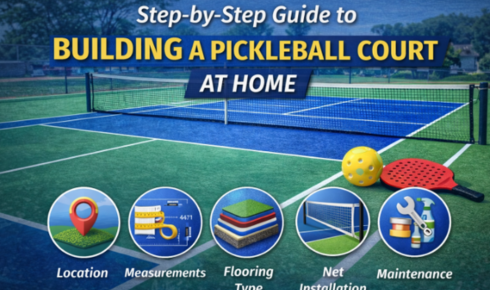
  • Step-by-Step Guide to Building a Pickleball Court at Home

    Step-by-Step Guide to Building a Pickleball Court at Home

    Pickleball Court measurements
    Pickleball Court measurements

    Introduction

    Pickleball is rapidly becoming one of the most popular recreational sports in India, thanks to its easy learning curve and minimal space requirements. Homeowners, gated communities, and sports enthusiasts are now investing in personal courts to enjoy the game anytime. However, building a court is not just about marking lines—it requires proper planning, the right Pickleball Court Flooring, and a structured construction process.

    This step-by-step guide explains how to build a high-quality court using modern synthetic Pickleball Court surface systems, ensuring durability, performance, and long-term value.

    Step 1: Understand Pickleball Court Measurement

    Before starting construction, it is essential to know the correct Pickleball Court measurements to ensure proper gameplay.

    • Court Length: 13.41 meters (44 feet)
    • Court Width: 6.10 meters (20 feet)
    • Non-volley zone (kitchen): 2.13 meters from the net on both sides
    • Recommended total area with margins: approximately 18m x 9m

    Planning your space according to these dimensions ensures smooth movement and a better playing experience.

    Step 2: Choose the Right Location

    Selecting the right location is crucial for successful Pickleball Court construction India. Consider the following factors:

    • Flat Surface: The ground should be level to avoid uneven bounce
    • Drainage: Proper slope is required to prevent water accumulation
    • Sunlight Direction: Align the court north-south to reduce glare
    • Available Space: Ensure enough clearance around the court

    Outdoor spaces like backyards, terraces, or community areas are commonly used for home courts.

    Step 3: Decide on the Flooring Type

    The most important decision is selecting the right Pickleball Court Flooring. While options like concrete and tiles exist, modern courts prefer Synthetic Acrylic Flooring due to its performance and durability.

    An acrylic Pickleball Court offers:

    • Excellent grip and anti-slip surface
    • Consistent ball bounce
    • Weather resistance for outdoor use
    • Low maintenance requirements

    This makes synthetic Pickleball Court surface systems ideal for residential courts in India.

    Step 4: Prepare the Base

    The base forms the foundation of your court. A strong base ensures long-term durability and prevents cracks.

    Common Base Options:

    • Concrete Base: Most preferred for stability and longevity
    • Asphalt Base: Slightly flexible and cost-effective

    During base preparation:

    • Ensure proper leveling
    • Maintain a slight slope for drainage
    • Allow sufficient curing time before applying flooring layers

    A well-prepared base is essential for high-quality Pickleball Court Flooring performance.

    Step 5: Select Quality Pickleball Court Materials

    Using the right Pickleball Court materials directly impacts the lifespan and performance of the court.

    Key materials include:

    • Acrylic resins for surface coating
    • Silica sand for anti-slip texture
    • Primer and resurfacer for bonding and smoothness
    • Line marking paint for court boundaries

    Choosing premium-grade materials ensures better durability and reduces maintenance costs over time.

    Step 6: Apply Synthetic Acrylic Flooring Layers

    Once the base is ready, the next step is applying Synthetic Acrylic Flooring. This is a multi-layer process that creates the final playing surface.

    Typical Layer Structure:

    1. Primer Layer – Improves adhesion to the base
    2. Resurfacer Layer – Smoothens the surface
    3. Cushion Layers (Optional) – Adds comfort and shock absorption
    4. Color Coating – Provides the final look and texture
    5. Line Marking – Defines court boundaries

    Each layer must be applied carefully to achieve a uniform and professional acrylic Pickleball Court finish.

    Step 7: Mark the Court Lines

    Accurate line marking is essential for gameplay. Use standard measurements and high-quality paint to ensure visibility and durability.

    Important markings include:

    • Baselines and sidelines
    • Centerline
    • Non-volley zone lines

    Precision in marking enhances the playing experience and maintains official standards.

    Step 8: Install Net and Accessories

    A complete court setup includes proper equipment:

    • Standard pickleball net with correct height
    • Net posts with strong anchoring
    • Optional fencing for safety
    • Lighting for evening play

    These additions improve usability and make your home court more functional.

    Step 9: Ensure Proper Curing and Finishing

    After applying all layers of synthetic Pickleball Court surface, the court must be allowed to cure properly. This step ensures:

    • Strong bonding of layers
    • Long-lasting durability
    • Optimal playing performance

    Avoid using the court until the curing process is fully complete.

    Step 10: Maintenance for Long-Term Performance

    Maintaining your Pickleball Court Flooring is simple but essential for long-term use.

    Basic Maintenance Tips:

    • Clean the surface regularly to remove dust and debris
    • Avoid standing water on the court
    • Inspect for minor cracks or wear
    • Recoat the surface every few years if needed

    With proper care, Synthetic Acrylic Flooring can last for many years without major repairs.

    Benefits of Building a Pickleball Court at Home

    Investing in a home court offers multiple advantages:

    • Convenient access to play anytime
    • Increased property value
    • Encourages fitness and social activity
    • Multi-purpose usage for other sports

    An acrylic Pickleball Court is especially beneficial due to its durability and low maintenance.

    Why Synthetic Acrylic Flooring is Ideal for Home Courts

    In Indian conditions, Synthetic Acrylic Flooring stands out as the best choice for residential courts because it:

    • Handles extreme weather conditions
    • Provides excellent grip and safety
    • Requires minimal upkeep
    • Offers long-term cost efficiency

    For homeowners looking for a reliable and professional surface, this flooring system is the most practical option.

    Conclusion

    Building a home court requires careful planning, the right materials, and a structured approach. By following this step-by-step guide, it becomes easier to create a high-quality playing surface that meets both functional and aesthetic needs.

    From understanding Pickleball Court measurement to selecting the best Pickleball Court materials and installing a durable synthetic Pickleball Court surface, every step plays a crucial role in the final outcome. With the growing popularity of pickleball in India, investing in Pickleball Court construction India at home is a smart and future-ready decision.

    A well-built court with Synthetic Acrylic Flooring not only enhances gameplay but also ensures long-term value, making it a worthwhile addition to any home or community space.

  • Double-Parked Car Accidents in NYC: Queens Car Accident Lawyer Explains Fault and Compensation

    Double-Parked Car Accidents in NYC: Queens Car Accident Lawyer Explains Fault and Compensation

    From crowded commercial blocks to residential streets, double-parking is a daily reality in New York. While it is a minor inconvenience in most cases, there are instances where a double-parked car can create a dangerous situation. When a double-parked vehicle is involved in an accident, proving fault is not as straightforward as you might think. In this post, the team at Alex Yadgarov & Associates will step into the shoes of your Queens car accident lawyer and explain the things you need to know about double-parked car accidents in NYC.

    Double-Parking Laws in NYC

    Double-parking occurs when you park parallel to a legally parked vehicle, where you effectively create a second row of parked vehicles that can block a travel path. In NYC, double parking is illegal at all times for passenger vehicles, irrespective of its location, purpose, or duration. If caught, you will be forced to pay a fine of around $115, and in some cases, the vehicle may be towed away. However, NYC 311 allows commercial vehicles to stop or double-park up to 20 minutes for the purpose of loading/unloading goods if there is no curb space available within 100 feet.  

    How Does Double-Parking Create Dangerous Situations? 

    When you double-park, you effectively block the path of moving traffic. By doing so, you disrupt the flow of traffic, reduce driver visibility, and reduce space for passing vehicles. It can create or contribute to creating a dangerous situation, which can put drivers, cyclists, and pedestrians at risk.

    Can You Still Be Liable Even If You Weren’t Present? 

    In New York, you cannot escape liability on the grounds that you weren’t present in your vehicle at the time of the accident. The fact is, you’ve created a dangerous situation, and you will most likely be held responsible if the dangerous situation caused or contributed to the accident. If the other driver involved in the accident is also at fault, then the liability may be shared between the two parties.

    Can Drivers Share Fault in Double-Parked Accidents? 

    Yes, depending on the facts of the case, the court may determine that more than one party is to be held liable for the accident. In New York, the fault can be divided among multiple parties under the pure comparative negligence rule. Under this rule, when a person is deemed partially liable for an accident, then any compensation they receive must be reduced to reflect the extent of their fault in the accident.

    For example, if party A, who has double-parked their vehicle in a busy lane, collides with party B, who was speeding down the lane, both parties may be held partially responsible for the accident. If A is held 60% responsible for the accident, their compensation will be reduced by 60%.

    Conclusion

    While a double-parked vehicle can seem like a minor inconvenience, there are times where it can create a dangerous situation. When an accident occurs connected to a double-parked vehicle, you need to have a good understanding of your rights and liabilities to protect your rights and ability to claim compensation. If you’re looking for an experienced Brooklyn car accident lawyer to guide you through the insurance and legal process, then Alex Yadgarov & Associates can help. Contact us today and schedule your free consultation.