Blog

  • Intellectual Property Rights in the 21st Century: Challenges and Solutions

    Intellectual Property Rights in the 21st Century: Challenges and Solutions

    In the 21st century, the landscape of intellectual property (IP) rights has undergone significant transformation. The rapid advancement of technology, globalization, and the digital revolution have introduced both new opportunities and challenges for protecting intellectual property. As businesses, creators, and innovators navigate this evolving environment, understanding the current challenges and exploring potential solutions is crucial for maintaining and leveraging intellectual property rights effectively.

    The Evolution of Intellectual Property Rights

    Intellectual Property Rights (IPR) encompass legal protections for creations of the mind, including inventions, literary and artistic works, designs, symbols, names, and images used in commerce. Historically, IP rights were established to encourage innovation by granting creators temporary exclusivity over their creations. However, the rapid pace of technological advancement in the 21st century has reshaped how intellectual property is created, shared, and protected.

    1. Digital Transformation: The internet and digital technologies have revolutionized how intellectual property is distributed and consumed. Digital platforms enable instantaneous access to content, making it easier for creators to share their work with a global audience. However, this same technology also facilitates unauthorized copying, distribution, and piracy, posing challenges for IP protection.
    2. Globalization: As businesses operate on a global scale, the need for international IP protection has become more critical. Different countries have varying IP laws and enforcement mechanisms, creating complexities for businesses seeking to protect their intellectual property across borders.
    3. Emerging Technologies: Innovations such as artificial intelligence (AI), blockchain, and biotechnology present new challenges and opportunities for IP protection. For instance, AI-generated inventions and artworks raise questions about authorship and ownership, while blockchain technology offers potential solutions for tracking and verifying IP ownership.

    Key Challenges Facing Intellectual Property Rights Today

    1. Digital Piracy and Counterfeiting: The ease of copying and distributing digital content has led to widespread piracy and counterfeiting. Unauthorized reproduction and distribution of copyrighted material, software, and trademarks undermine the economic value of intellectual property and can result in significant financial losses for creators and businesses.
    2. Complex International Regulations: Navigating the complexities of international IP laws can be challenging. Different countries have varying standards for IP protection, and enforcing rights in foreign jurisdictions often requires navigating complex legal systems and dealing with diverse regulatory frameworks.
    3. AI and Automation: The rise of AI and automation poses unique challenges for IP law. AI systems can generate creative works, inventions, and designs, leading to questions about who owns the rights to AI-generated outputs. Additionally, the use of AI in creating counterfeit goods complicates enforcement efforts.
    4. Patent Trolls and Abusive Litigation: Patent trolls, or entities that acquire patents solely to engage in litigation rather than to develop or market products, are a significant challenge. These entities often target businesses with patent infringement lawsuits, creating a burden on companies and stifling innovation.
    5. Lack of Awareness and Education: Many creators, especially small businesses and independent artists, lack awareness of IP rights and how to protect their work. This knowledge gap can lead to inadvertent IP theft and missed opportunities for leveraging intellectual property.

    Solutions to Address Intellectual Property Challenges

    1. Strengthening Digital Protection Measures: To combat digital piracy and counterfeiting, businesses can employ a combination of technological solutions and legal strategies. Digital rights management (DRM) technologies, watermarking, and encryption can help protect digital content from unauthorized distribution. Additionally, working with legal professionals to enforce IP rights and pursue legal action against infringers can be effective.
    2. Harmonizing International IP Laws: Efforts to harmonize international IP laws and standards can help address the complexities of global IP protection. International treaties and agreements, such as the Agreement on Trade-Related Aspects of Intellectual Property Rights (TRIPS), play a crucial role in establishing consistent IP standards. Collaborating with international organizations and legal experts can also help businesses navigate cross-border IP issues.
    3. Adapting IP Laws to Emerging Technologies: Updating IP laws to address the challenges posed by emerging technologies is essential. For AI-generated creations, legal frameworks may need to be revised to clarify authorship and ownership. Blockchain technology can also be leveraged to create transparent and tamper-proof records of IP ownership and transactions.
    4. Combating Patent Trolls: Addressing the issue of patent trolls requires both legal and policy measures. Legislative reforms to limit the scope of patent litigation and reduce opportunities for abusive lawsuits can help mitigate the impact of patent trolls. Businesses can also engage in strategic patent management and defensive patenting to protect themselves from litigation threats.
    5. Increasing Awareness and Education: Educating creators, businesses, and entrepreneurs about IP rights and protection is crucial for preventing IP theft and maximizing the value of intellectual property. Providing resources, workshops, and legal support can help individuals and organizations understand their IP rights and take appropriate measures to safeguard their creations.
    6. Leveraging Technology for IP Management: Utilizing technology to streamline IP management can enhance efficiency and protection. IP management software and platforms can help businesses track and manage their IP portfolios, monitor potential infringements, and streamline the application and renewal processes.

    The Future of Intellectual Property Rights

    As technology continues to advance and new challenges arise, the field of intellectual property law will need to adapt and evolve. The future of IP rights will likely involve a greater emphasis on balancing protection with innovation, fostering collaboration between stakeholders, and addressing emerging technologies with forward-thinking legal frameworks.

    1. Innovative Legal Frameworks: Developing innovative legal frameworks that address the unique challenges of digital and emerging technologies will be crucial. This may involve creating new categories of IP protection, revising existing laws, and exploring alternative dispute resolution mechanisms.
    2. Global Collaboration: Increased global collaboration among governments, businesses, and international organizations will be essential for addressing cross-border IP issues and harmonizing standards. Collaborative efforts can lead to more effective IP protection and enforcement on a global scale.
    3. Focus on Innovation: Emphasizing the role of intellectual property in fostering innovation will be key to ensuring that IP rights support rather than hinder progress. Encouraging innovation-friendly policies and practices can help drive technological advancements and economic growth.

    Conclusion

    Intellectual property rights play a vital role in fostering creativity, innovation, and economic development in the 21st century. As technology and globalization continue to reshape the IP landscape, businesses, creators, and policymakers must navigate a range of challenges and seek effective solutions. By addressing issues such as digital piracy, international regulations, and emerging technologies, and by increasing awareness and leveraging technology for IP management, stakeholders can work towards a more robust and adaptive system of intellectual property protection.

    As we move forward, a balanced approach that supports innovation while protecting the rights of creators will be essential for ensuring the continued growth and success of intellectual property in the 21st century.

  • How Property Law Affects Landlords and Tenants: Rights and Responsibilities

    How Property Law Affects Landlords and Tenants: Rights and Responsibilities

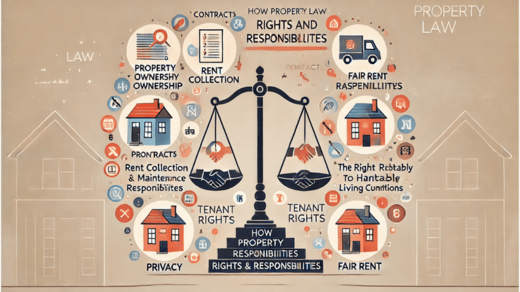
    Property law plays a crucial role in the relationship between landlords and tenants, defining the rights and responsibilities of both parties. Understanding these legal aspects is essential for maintaining a harmonious and legally compliant rental relationship. This article delves into the various ways property law affects landlords and tenants, offering insights into their rights and obligations under the law.

    Understanding Property Law

    Property law encompasses a wide range of legal issues related to real estate, including the buying, selling, leasing, and managing of property. In the context of rental properties, property law governs the relationship between landlords and tenants, outlining their rights and responsibilities in a rental agreement.

    Landlords’ Rights and Responsibilities

    1. Rights of Landlords

    • Right to Receive Rent: Landlords are entitled to receive rent as specified in the lease agreement. They have the legal right to collect rent on time and in the amount agreed upon.
    • Right to Property Access: Landlords have the right to access the property for inspections, repairs, or maintenance. However, they must provide proper notice to the tenant before entering the property, usually 24 to 48 hours in advance, depending on local regulations.
    • Right to Evict: If a tenant violates the lease agreement or fails to pay rent, landlords have the right to initiate eviction proceedings. The eviction process must follow legal procedures and provide the tenant with the opportunity to rectify the situation or contest the eviction.
    • Right to Security Deposit: Landlords can require a security deposit to cover potential damages or unpaid rent. The deposit amount and conditions for its return should be specified in the lease agreement and comply with local laws.

    2. Responsibilities of Landlords

    • Maintain Habitability: Landlords are responsible for ensuring that the rental property meets health and safety standards. This includes maintaining essential services such as heating, plumbing, and electricity, and addressing any issues that may affect the tenant’s health or safety.
    • Repair and Maintenance: Landlords must address repair requests in a timely manner. They are responsible for fixing issues that arise due to normal wear and tear, while tenants may be responsible for minor repairs or maintenance tasks as outlined in the lease agreement.
    • Respect Tenant Privacy: Landlords must respect tenants’ privacy and cannot enter the property without proper notice, except in cases of emergency. Unauthorized entry may constitute a violation of the tenant’s rights.
    • Comply with Fair Housing Laws: Landlords must adhere to fair housing laws, which prohibit discrimination based on race, color, religion, sex, national origin, disability, or familial status. Ensuring equal treatment and providing a non-discriminatory rental process is essential.

    Tenants’ Rights and Responsibilities

    1. Rights of Tenants

    • Right to a Habitable Home: Tenants have the right to live in a rental property that is safe and habitable. This includes working heating and cooling systems, proper sanitation, and a structurally sound building.
    • Right to Privacy: Tenants are entitled to privacy in their rental unit. Landlords must provide adequate notice before entering the property and cannot intrude without consent, except in emergencies.
    • Right to Fair Treatment: Tenants have the right to be treated fairly and without discrimination. They should not face any bias based on race, gender, disability, or other protected characteristics.
    • Right to Security Deposit Return: Tenants are entitled to the return of their security deposit at the end of the lease term, minus any deductions for damages beyond normal wear and tear. The conditions for the return of the deposit should be clearly stated in the lease agreement.

    2. Responsibilities of Tenants

    • Pay Rent on Time: Tenants are responsible for paying rent in full and on time as specified in the lease agreement. Failure to do so may result in late fees or legal action.
    • Take Care of the Property: Tenants must maintain the rental property in good condition and report any maintenance issues to the landlord promptly. They should also avoid causing damage beyond normal wear and tear.
    • Follow Lease Agreement: Tenants are required to adhere to the terms and conditions outlined in the lease agreement. This includes abiding by rules related to noise, pets, and the use of common areas.
    • Respect Neighbors: Tenants should respect their neighbors and avoid activities that may cause disturbances or nuisance. This includes managing noise levels and following community guidelines.

    Dispute Resolution and Legal Recourse

    Disputes between landlords and tenants can arise for various reasons, including disagreements over rent, maintenance issues, or lease violations. Property law provides mechanisms for resolving these disputes:

    1. Mediation: Mediation is a voluntary process where a neutral third party helps landlords and tenants reach a mutually acceptable resolution. It can be a cost-effective and quicker alternative to litigation.

    2. Legal Action: If mediation fails, legal action may be necessary. Tenants or landlords can file complaints in small claims court or seek legal advice for more serious issues. The court will review the evidence and make a binding decision based on the law.

    3. Eviction Proceedings: In cases where eviction is necessary, landlords must follow the legal process, which typically involves providing notice to the tenant, filing an eviction lawsuit, and obtaining a court order for eviction. Tenants have the right to contest the eviction and present their case in court.

    Local Laws and Regulations

    Property law can vary significantly depending on the jurisdiction. It is important for both landlords and tenants to familiarize themselves with local laws and regulations governing rental properties. These laws may cover issues such as:

    • Rent Control: Some areas have rent control laws that limit how much rent can be increased each year.
    • Tenant Protection Laws: Certain jurisdictions have specific protections for tenants, such as laws related to eviction notices, repair requests, and discrimination.
    • Deposit Limits: Local laws may dictate the maximum amount landlords can charge for security deposits and the timeframe for returning them.

    Conclusion

    Property law plays a vital role in defining the rights and responsibilities of landlords and tenants. Understanding these legal aspects is essential for ensuring a positive and legally compliant rental experience. Landlords must fulfill their obligations to maintain a habitable property, respect tenant privacy, and comply with fair housing laws. Similarly, tenants are responsible for paying rent, maintaining the property, and following lease terms. By adhering to property laws and seeking resolution through mediation or legal channels when disputes arise, both parties can foster a respectful and effective rental relationship.

  • How to Organize and Safeguard Your Legal Documents

    How to Organize and Safeguard Your Legal Documents

    In today’s complex world, managing legal documents effectively is essential for ensuring your rights are protected and your responsibilities are met. From wills and property deeds to contracts and business agreements, legal documents play a crucial role in both personal and professional realms. This comprehensive guide will walk you through best practices for organizing and safeguarding your legal documents, helping you maintain order and security in your legal affairs.

    Why Organizing Legal Documents is Crucial

    Legal documents are often critical in resolving disputes, proving ownership, and ensuring compliance with laws and regulations. Proper organization helps:

    1. Quick Access: Efficient organization allows you to locate documents swiftly when needed, saving time and reducing stress.
    2. Legal Compliance: Proper documentation ensures you meet legal requirements and deadlines, avoiding potential legal complications.
    3. Protection: Well-organized documents are less likely to be lost or damaged, reducing the risk of legal issues due to missing information.
    4. Peace of Mind: Knowing that your legal documents are safely stored and easily accessible provides reassurance that you’re prepared for any legal situation.

    Steps to Organize Your Legal Documents

    1. Create an Inventory
      Start by listing all your legal documents. This might include:
      1. Wills and Trusts: Documents outlining how your assets will be distributed after your death.
      1. Deeds and Titles: Proof of ownership for property, vehicles, or other significant assets.
      1. Contracts and Agreements: Legal agreements related to business transactions, leases, and employment.
      1. Insurance Policies: Documentation of your insurance coverage, including health, auto, home, and life insurance.
      1. Tax Documents: Records of your tax filings, returns, and supporting documents.
    2. An inventory helps you understand what you have and identify any missing documents that need to be obtained or updated.
    3. Categorize and Label
      Organize your documents into categories based on their type and purpose. For example:
      1. Personal Documents: Wills, trusts, power of attorney, and medical directives.
      1. Property Documents: Deeds, titles, and mortgage agreements.
      1. Financial Documents: Bank statements, investment records, and tax documents.
      1. Business Documents: Contracts, partnership agreements, and business licenses.
    4. Use clear and descriptive labels for each category. This makes it easier to find specific documents when you need them.
    5. Use a Filing System
      Choose a filing system that suits your needs. Options include:
      1. Physical Filing: Use folders, binders, or filing cabinets to store paper documents. Ensure they are organized by category and clearly labeled.
      1. Digital Filing: Scan physical documents and store them electronically. Use folders and subfolders to organize your digital files. Make sure to use descriptive file names for easy searching.
    6. Regardless of the method you choose, ensure your filing system is consistent and easy to use.
    7. Implement a Document Tracking System
      Keep track of important dates and deadlines related to your legal documents. This includes:
      1. Renewal Dates: Track expiration dates for insurance policies, business licenses, and other time-sensitive documents.
      1. Filing Deadlines: Note important dates for tax filings, legal filings, and contract renewals.
    8. Use calendar reminders, alerts, or a document management app to stay on top of these dates.
    9. Regularly Review and Update
      Periodically review your legal documents to ensure they are up-to-date and accurate. Changes in your life, such as marriage, divorce, or significant financial changes, may necessitate updates to your documents. Regular reviews help you stay current and avoid potential legal issues.

    Safeguarding Your Legal Documents

    1. Secure Storage Solutions
      Protect your documents from loss, theft, or damage by using secure storage solutions:
      1. Physical Storage: Store paper documents in a locked, fireproof cabinet or safe. Ensure the storage area is dry and away from potential hazards like water damage.
      1. Digital Storage: Use reputable cloud storage services with strong encryption and security measures. Back up your digital files regularly to prevent data loss.
    2. Implement Access Controls
      Limit access to your legal documents to authorized individuals only. This can be achieved by:
      1. Physical Access: Restrict access to your filing cabinet or safe by using locks and keys.
      1. Digital Access: Use strong passwords and two-factor authentication for your digital storage accounts. Set permissions to control who can view or edit documents.
    3. Disaster Preparedness
      Prepare for potential disasters by creating backup copies of your documents:
      1. Physical Copies: Keep copies of important documents in a separate location, such as a safety deposit box.
      1. Digital Copies: Store backups of your digital documents in a different cloud service or external hard drive. Consider using a disaster recovery plan to ensure you can quickly recover your files in case of an emergency.
    4. Legal and Financial Safeguards
      Ensure your documents are legally and financially protected:
      1. Legal Counsel: Consult with an attorney to ensure your documents are legally valid and properly executed.
      1. Insurance: Consider insurance options that cover document loss or theft, especially for valuable or critical documents.

    Conclusion

    Organizing and safeguarding your legal documents is essential for protecting your interests and ensuring that your affairs are in order. By creating an inventory, categorizing and labeling documents, implementing a reliable filing system, and securing your documents, you can manage your legal paperwork effectively. Regular reviews, secure storage, access controls, and disaster preparedness further enhance the protection of your legal documents.

    By following these guidelines, you can achieve peace of mind knowing that your legal documents are well-organized and safeguarded against potential risks. Whether you manage your documents physically or digitally, the key is to maintain a system that works for you and ensures that your important paperwork is always within reach when you need it.

  • Recent Changes in Labour & Service Law: What Employers Must Know

    Recent Changes in Labour & Service Law: What Employers Must Know

    In recent years, labor and service laws have undergone significant changes, impacting how businesses operate and manage their workforce. Understanding these changes is crucial for employers to ensure compliance and avoid potential legal issues. This comprehensive guide will explore the most recent amendments to labor and service laws, providing essential information on what employers need to know to navigate these new regulations effectively.

    Overview of Recent Changes in Labour & Service Law

    Labour and service laws are designed to protect both employees and employers, balancing the rights and responsibilities of both parties. Recent changes in these laws reflect evolving work environments, technological advancements, and societal shifts. Key areas of focus include worker classification, wage and hour laws, workplace safety, and employee benefits.

    1. Worker Classification Reforms

    Independent Contractors vs. Employees

    One of the most significant changes in recent labor laws pertains to worker classification. Governments have introduced stricter criteria for classifying workers as independent contractors versus employees. This shift aims to prevent misclassification and ensure that workers receive appropriate benefits and protections.

    • The ABC Test: Many jurisdictions have adopted the ABC test to determine worker classification. Under this test, a worker is classified as an independent contractor if they meet all three criteria: they are free from control and direction by the hiring entity, they perform work outside the usual course of the hiring entity’s business, and they are engaged in an independently established trade or business.
    • Impact on Employers: Employers must review their current worker classifications and adjust their practices accordingly. Misclassifying workers can lead to legal penalties, including back pay for benefits and taxes.

    2. Wage and Hour Law Updates

    Minimum Wage Increases

    Recent changes in wage and hour laws have seen an increase in minimum wage rates across various regions. These adjustments are aimed at addressing the rising cost of living and ensuring fair compensation for workers.

    • State and Local Variations: Minimum wage rates can vary significantly depending on the state or locality. Employers must stay informed about the specific wage requirements in their area and adjust their payroll systems to comply with the new rates.
    • Overtime Regulations: Updates to overtime regulations have also been implemented. For example, the salary threshold for exempt employees has been adjusted, meaning more employees may now be eligible for overtime pay. Employers should assess their exemption classifications and ensure that eligible employees are compensated correctly for overtime work.

    3. Workplace Safety and Health Regulations

    COVID-19 Impact and Safety Standards

    The COVID-19 pandemic has led to heightened focus on workplace safety and health regulations. New guidelines and standards have been established to protect employees from health hazards and ensure a safe working environment.

    • Enhanced Safety Protocols: Employers are required to implement enhanced safety measures, including social distancing, sanitization, and personal protective equipment (PPE). Compliance with these standards is crucial to prevent workplace outbreaks and ensure employee safety.
    • Remote Work Considerations: The rise of remote work has prompted changes in how workplace safety regulations apply to home offices. Employers must provide guidance on ergonomics, health and safety practices, and support for remote workers.

    4. Family and Medical Leave Act (FMLA) Updates

    Expanded Leave Provisions

    Recent amendments to the Family and Medical Leave Act (FMLA) have expanded the scope of leave provisions, providing greater flexibility and support for employees managing family and medical issues.

    • Paid Leave Options: Some jurisdictions have introduced paid family and medical leave options, allowing employees to receive compensation while taking leave for personal or family-related reasons. Employers must be aware of these provisions and integrate them into their leave policies.
    • Eligibility and Documentation: Updates to FMLA regulations may include changes in eligibility criteria and documentation requirements. Employers should review these changes and ensure their leave management processes align with the latest regulations.

    5. Anti-Discrimination and Harassment Policies

    Strengthened Protections

    Recent changes in anti-discrimination and harassment laws aim to strengthen protections for employees and promote a more inclusive workplace environment.

    • Expanded Definitions: Laws have expanded definitions of discrimination and harassment to include a broader range of behaviors and situations. Employers must update their policies and training programs to address these changes and prevent workplace discrimination.
    • Reporting Mechanisms: Enhanced reporting mechanisms and protections for whistleblowers have been introduced to encourage employees to report incidents of discrimination or harassment without fear of retaliation. Employers should ensure that their reporting procedures are transparent and effective.

    6. Employee Benefits and Compensation

    Enhanced Benefits Regulations

    Changes in employee benefits and compensation laws have introduced new requirements for providing benefits and compensation packages.

    • Healthcare Coverage: New regulations may mandate expanded healthcare coverage or additional benefits for employees. Employers must review their benefits offerings to ensure compliance with these requirements.
    • Retirement Plans: Updates to retirement plan regulations may include changes to contribution limits, eligibility criteria, or fiduciary responsibilities. Employers should assess their retirement plans and make necessary adjustments to meet regulatory standards.

    7. Employee Privacy and Data Protection

    Stricter Privacy Regulations

    With increasing concerns about data security and privacy, recent changes have introduced stricter regulations on employee privacy and data protection.

    • Data Handling Practices: Employers must implement robust data handling practices to protect employee information. This includes securing personal data, implementing data access controls, and ensuring compliance with privacy regulations.
    • Employee Consent: Regulations may require employers to obtain explicit consent from employees for data collection and processing activities. Employers should update their consent procedures and ensure that employees are informed about how their data is used.

    8. Unionization and Collective Bargaining

    Changes in Unionization Laws

    Recent changes in labor laws have affected unionization and collective bargaining processes, impacting how employees can organize and negotiate with employers.

    • Easier Union Formation: Some jurisdictions have made it easier for employees to form unions and engage in collective bargaining. Employers should be aware of these changes and prepare for potential unionization efforts.
    • Negotiation Obligations: Updates to collective bargaining laws may impose new obligations on employers regarding negotiation processes and contract terms. Employers should ensure that their bargaining practices align with the latest regulations.

    Conclusion

    Staying informed about recent changes in labor and service laws is essential for employers to ensure compliance and maintain a positive work environment. From worker classification reforms to updates in wage and hour laws, workplace safety regulations, and employee benefits, understanding these changes helps employers navigate legal complexities and foster a supportive workplace.

    By regularly reviewing and updating policies, implementing effective management practices, and seeking legal advice when necessary, employers can effectively adapt to these changes and safeguard their businesses against potential legal issues. Staying proactive and informed is key to successfully managing the evolving landscape of labor and service laws.

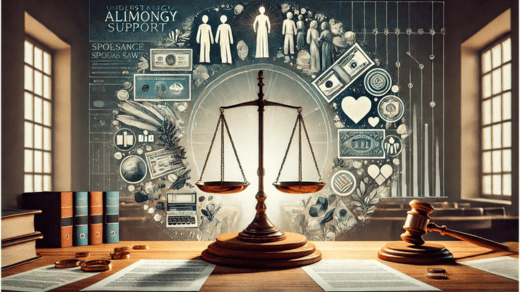
  • Navigating Spousal Support: Understanding Alimony in Family Law

    Navigating Spousal Support: Understanding Alimony in Family Law

    When navigating the complex landscape of family law, spousal support, commonly known as alimony, is a crucial aspect that can significantly impact both parties involved in a divorce. Alimony is designed to provide financial support to a lower-earning or non-working spouse following the dissolution of a marriage. Understanding how alimony works, the factors influencing its determination, and the different types of spousal support can help individuals make informed decisions and ensure a fair resolution. This article explores the key aspects of spousal support, providing insights into its purpose, types, and how it is determined.

    What is Alimony?

    Alimony refers to financial support provided by one spouse to the other after a divorce or separation. The primary goal of alimony is to ensure that both parties can maintain a similar standard of living post-divorce, especially when there is a significant disparity in their incomes or earning capacities. Alimony can be awarded on a temporary or permanent basis, depending on various factors such as the length of the marriage, the recipient’s financial needs, and the payer’s ability to provide support.

    Types of Alimony

    1. Temporary Alimony: This type of alimony is awarded during the divorce proceedings and is designed to provide financial support to the lower-earning spouse until the divorce is finalized. Temporary alimony helps the recipient spouse maintain a standard of living similar to what they were accustomed to during the marriage.
    2. Rehabilitative Alimony: Rehabilitative alimony is intended to support a spouse while they acquire the education or training needed to become self-sufficient. This type of alimony is usually awarded for a specific period, allowing the recipient spouse to gain skills or qualifications to improve their earning potential.
    3. Permanent Alimony: Permanent alimony is awarded for an indefinite period and is intended to provide long-term support to a spouse who may be unable to support themselves due to age, health, or other factors. Permanent alimony is less common and is typically awarded in long-term marriages where one spouse has significantly sacrificed their career or earning potential for the benefit of the family.
    4. Reimbursement Alimony: This type of alimony compensates a spouse for financial contributions made during the marriage that directly benefited the other spouse. For example, if one spouse supported the other through their education or career development, reimbursement alimony may be awarded to acknowledge these contributions.
    5. Lump-Sum Alimony: Instead of providing ongoing payments, lump-sum alimony involves a one-time payment made to the recipient spouse. This type of alimony may be agreed upon by both parties or ordered by the court as a final settlement.

    Factors Influencing Alimony Determination

    The determination of alimony is based on various factors, which can vary depending on state laws and individual circumstances. Some common factors considered by the court include:

    1. Length of the Marriage: The duration of the marriage is a significant factor in determining alimony. Longer marriages are more likely to result in permanent or long-term alimony, while shorter marriages may lead to temporary or rehabilitative alimony.
    2. Financial Needs and Resources: The court assesses the financial needs of the recipient spouse and their ability to support themselves. This includes evaluating their income, assets, and any expenses related to maintaining their standard of living.
    3. Standard of Living During the Marriage: The court considers the standard of living established during the marriage and aims to ensure that the recipient spouse can maintain a similar lifestyle post-divorce.
    4. Earning Capacity: The earning capacity of both spouses is evaluated, including their education, skills, work history, and potential for future employment. This helps determine whether the recipient spouse can become self-sufficient and the duration of support required.
    5. Contributions to the Marriage: Non-financial contributions, such as homemaking and raising children, are also considered. These contributions may impact the determination of alimony, particularly in cases where one spouse has sacrificed their career for the benefit of the family.
    6. Age and Health: The age and health of both spouses are taken into account. If one spouse is unable to work due to health issues or advanced age, this may influence the amount and duration of alimony.
    7. Behavior During the Marriage: In some jurisdictions, the behavior of the spouses during the marriage may be considered, such as instances of marital misconduct or fault. However, many jurisdictions focus primarily on financial factors and contributions rather than conduct.

    How to Navigate the Alimony Process

    Navigating the alimony process can be complex, and seeking legal advice is essential to ensure that your rights and interests are protected. Here are some steps to help you navigate the alimony process:

    1. Consult with a Family Law Attorney: An experienced family law attorney can provide valuable guidance on your specific situation. They can help you understand your rights, the applicable laws in your jurisdiction, and the best approach for negotiating or challenging alimony.
    2. Gather Financial Information: To support your case, gather all relevant financial information, including income statements, tax returns, bank statements, and records of assets and liabilities. This information will help determine the appropriate amount and duration of alimony.
    3. Negotiate a Fair Settlement: In many cases, spouses can reach a mutually acceptable alimony agreement through negotiation or mediation. Open communication and a willingness to compromise can help achieve a fair settlement without the need for lengthy court battles.
    4. Prepare for Court: If an agreement cannot be reached, the court will make a determination based on the evidence presented. Be prepared to present your financial information and any other relevant documentation to support your position.
    5. Review and Modify Alimony Orders: Alimony orders can be modified if there is a significant change in circumstances, such as a change in income, health, or living arrangements. If you experience a substantial change, consult with your attorney to explore the possibility of modifying the alimony arrangement.

    Conclusion

    Navigating spousal support and understanding alimony in family law is a crucial aspect of divorce proceedings. By familiarizing yourself with the different types of alimony, the factors influencing its determination, and the steps involved in the process, you can make informed decisions and ensure a fair resolution. Whether you are seeking or contesting alimony, working with a skilled family law attorney can help you navigate the complexities of the legal system and achieve a just outcome. Remember, the goal of alimony is to provide financial support and ensure that both parties can move forward with stability and fairness after the dissolution of the marriage.

  • Criminal Law and Its Impact on Society: Why It Matters

    Criminal Law and Its Impact on Society: Why It Matters

    Criminal law is a cornerstone of modern society, shaping the way we live, interact, and ensure justice. It governs the actions deemed harmful or threatening to individuals or the community, setting out penalties and rehabilitation measures for offenders. Understanding criminal law and its societal impact is crucial, as it affects not only the justice system but also public safety, community trust, and overall social order. In this article, we’ll delve into the significance of criminal law, its impact on society, and why it matters to everyone.

    The Foundations of Criminal Law

    Criminal law encompasses a set of rules and principles that define criminal offenses, establish penalties, and outline procedures for prosecuting and defending those accused of crimes. Its primary objectives are to maintain public order, protect individuals and property, and ensure that justice is served. Criminal law operates on the premise that certain behaviors are unacceptable and must be sanctioned to deter criminal activity and rehabilitate offenders.

    Key elements of criminal law include:

    • Criminal Offenses: Acts classified as crimes, such as theft, assault, and murder. These offenses are categorized into felonies (serious crimes) and misdemeanors (less severe offenses).
    • Penalties: The consequences imposed on individuals convicted of crimes. These can range from fines and community service to imprisonment or even the death penalty in some jurisdictions.
    • Procedural Laws: Guidelines governing how criminal cases are processed, including arrest procedures, trials, and appeals.

    The Role of Criminal Law in Society

    1. Ensuring Public Safety
      One of the most critical functions of criminal law is to protect public safety. By defining criminal behavior and imposing penalties, the law aims to deter individuals from engaging in harmful activities. This deterrent effect helps reduce crime rates and creates a safer environment for everyone. Effective criminal law enforcement also ensures that those who commit crimes are held accountable, thereby safeguarding the community.
    2. Promoting Justice and Fairness
      Criminal law serves to uphold justice and fairness by providing a structured process for addressing criminal conduct. It ensures that individuals accused of crimes have the right to a fair trial, legal representation, and the presumption of innocence until proven guilty. This framework helps prevent miscarriages of justice and protects the rights of both victims and defendants.
    3. Rehabilitation and Reintegration
      Beyond punishment, criminal law emphasizes the rehabilitation and reintegration of offenders into society. Many legal systems incorporate programs aimed at addressing the root causes of criminal behavior, such as substance abuse or mental health issues. Rehabilitation efforts focus on helping offenders reintegrate into society as productive citizens, reducing the likelihood of reoffending and contributing to long-term public safety.
    4. Deterring Criminal Behavior
      The prospect of legal consequences serves as a deterrent to potential criminals. The criminal justice system’s ability to enforce laws and impose penalties discourages individuals from engaging in criminal activities. This deterrent effect is vital in maintaining social order and preventing crime from escalating.
    5. Protecting Victims and Their Rights
      Criminal law is instrumental in safeguarding the rights of victims and ensuring they receive justice. It provides mechanisms for victims to report crimes, participate in legal proceedings, and seek restitution. By addressing the needs of victims, criminal law helps restore a sense of justice and accountability in the aftermath of criminal acts.

    The Impact of Criminal Law on Society

    1. Social Order and Stability
      Criminal law plays a crucial role in maintaining social order and stability. By defining acceptable behavior and establishing consequences for violations, it helps regulate interactions within society. This regulatory function fosters a sense of security and predictability, enabling individuals and communities to function cohesively.
    2. Economic Implications
      The criminal justice system’s functioning has significant economic implications. High crime rates can lead to increased costs for law enforcement, legal proceedings, and incarceration. Additionally, crime can negatively impact businesses and property values, leading to economic losses. Effective criminal law and crime prevention strategies can mitigate these economic impacts and promote a more prosperous society.
    3. Community Trust and Confidence
      The effectiveness of criminal law in addressing and preventing crime influences public trust and confidence in the justice system. When individuals believe that the law is fair, impartial, and effectively enforced, they are more likely to cooperate with law enforcement and participate in community safety initiatives. Building and maintaining this trust is essential for fostering a positive relationship between the community and the justice system.
    4. Human Rights and Ethical Considerations
      Criminal law intersects with human rights and ethical considerations, particularly concerning issues such as the death penalty, mandatory minimum sentences, and prison conditions. Balancing the need for justice with respect for human rights is a critical aspect of criminal law. Ongoing reforms and discussions address these ethical concerns, striving to create a legal system that upholds both justice and human dignity.
    5. Social Change and Reform
      Criminal law is not static; it evolves in response to societal changes and emerging issues. Legal reforms often address shifting social attitudes, advancements in technology, and new understandings of criminal behavior. For example, changes in drug laws or the implementation of restorative justice practices reflect broader societal shifts and aim to improve the justice system’s effectiveness and fairness.

    Why Criminal Law Matters to Everyone

    Criminal law affects everyone, whether directly or indirectly. Its impact extends beyond the courtroom and influences various aspects of daily life. Here’s why criminal law matters:

    • Personal Safety: Criminal law helps protect individuals from harm and ensures that those who commit crimes are held accountable. This protection is essential for maintaining a safe and secure environment for everyone.
    • Community Well-being: Effective criminal law contributes to the overall well-being of communities by addressing crime, supporting victims, and promoting rehabilitation. A well-functioning justice system fosters a sense of community and shared responsibility.
    • Legal Rights: Understanding criminal law helps individuals know their legal rights and responsibilities. This knowledge empowers people to navigate the legal system, seek justice, and protect themselves and their interests.
    • Social Justice: Criminal law plays a role in addressing social inequalities and promoting fairness. By ensuring that justice is served and protecting vulnerable populations, the legal system contributes to a more just and equitable society.

    Conclusion

    Criminal law is a fundamental aspect of modern society, shaping how we address crime, protect individuals, and uphold justice. Its impact on public safety, social order, and community well-being underscores its importance in our daily lives. By understanding the role and significance of criminal law, we can better appreciate its influence on society and advocate for a legal system that balances justice, fairness, and human rights. In doing so, we contribute to creating a safer, more just, and cohesive community for all.

  • Judicial Review in Constitutional Law: The Role of Courts in Upholding the Constitution

    Judicial Review in Constitutional Law: The Role of Courts in Upholding the Constitution

    Judicial review is a fundamental aspect of constitutional law, playing a crucial role in maintaining the balance of power within a democratic system. It allows courts to evaluate the constitutionality of legislative and executive actions, ensuring that all branches of government operate within the limits set by the constitution. This process upholds the rule of law and protects individual rights, making it an essential mechanism in safeguarding democracy.

    What is Judicial Review?

    Judicial review refers to the power of courts to examine and invalidate legislative and executive actions that are found to be in conflict with the constitution. This power ensures that laws and government actions comply with constitutional principles and do not exceed the authority granted by the constitution.

    The concept of judicial review is rooted in the idea that the constitution is the supreme law of the land, and any act of government that contradicts it is null and void. By engaging in judicial review, courts act as guardians of the constitution, upholding its values and ensuring that all government actions are consistent with constitutional norms.

    Historical Background

    The concept of judicial review was established in the United States with the landmark Supreme Court case, Marbury v. Madison (1803). Chief Justice John Marshall’s opinion in this case set the precedent for judicial review by declaring that the Supreme Court had the authority to review and invalidate unconstitutional laws. This case established the principle that the constitution is the supreme law and that it is the duty of the judiciary to uphold it.

    Since then, judicial review has become a cornerstone of constitutional law in many democracies around the world. Various countries have adopted similar principles, each with its own unique approach to the implementation of judicial review.

    The Role of Courts in Judicial Review

    Courts play a pivotal role in the judicial review process. Their primary functions include:

    1. Evaluating Constitutionality: Courts assess whether legislative or executive actions align with constitutional provisions. This evaluation involves interpreting the constitution and determining whether the actions in question exceed the authority granted by it.
    2. Protecting Individual Rights: Judicial review helps protect fundamental rights and liberties by ensuring that laws and government actions do not infringe upon constitutional guarantees. Courts review laws to prevent violations of civil rights, freedoms, and other constitutional protections.
    3. Maintaining Checks and Balances: Judicial review serves as a mechanism for maintaining the balance of power among the branches of government. By reviewing and potentially invalidating actions of the legislature or executive, courts ensure that no branch exceeds its constitutional authority.
    4. Interpreting Constitutional Provisions: Courts interpret the meaning and scope of constitutional provisions. This interpretation helps clarify ambiguous or contested aspects of the constitution, providing guidance on its application in various legal contexts.

    The Process of Judicial Review

    The process of judicial review generally involves several steps:

    1. Petition for Review: A party affected by a potentially unconstitutional law or action can file a petition with the court, seeking judicial review. This petition outlines the legal arguments for why the action should be deemed unconstitutional.
    2. Legal Arguments and Evidence: The court reviews the legal arguments presented by the parties involved and examines evidence related to the case. This may include reviewing legislative history, expert testimony, and relevant legal precedents.
    3. Judicial Analysis: The court conducts a thorough analysis of the constitutional issues at stake. This involves interpreting constitutional provisions, assessing their relevance to the case, and evaluating whether the challenged action violates constitutional norms.
    4. Issuing a Ruling: After completing its analysis, the court issues a ruling on the constitutionality of the challenged action. If the court finds the action unconstitutional, it may invalidate the law or directive, effectively nullifying it.
    5. Impact of the Ruling: The court’s ruling has a significant impact on the legal landscape. It not only affects the specific case at hand but also sets a precedent that can influence future legal decisions and interpretations.

    Key Considerations in Judicial Review

    Several key considerations shape the practice of judicial review:

    1. Judicial Restraint vs. Activism: There is an ongoing debate between judicial restraint and judicial activism. Judicial restraint advocates argue that courts should exercise caution and avoid overturning laws unless absolutely necessary. In contrast, judicial activism proponents believe that courts should actively engage in reviewing and invalidating laws that violate constitutional principles.
    2. Separation of Powers: Judicial review is a crucial component of the separation of powers doctrine. By reviewing the actions of the legislature and executive, courts help ensure that each branch of government operates within its constitutionally defined limits.
    3. Precedent and Stability: Courts rely on legal precedents when conducting judicial review. Previous rulings and interpretations help maintain consistency and stability in the application of constitutional principles.
    4. Public Perception: The perception of judicial review can vary among the public. While it is essential for upholding constitutional values, decisions by courts can sometimes be controversial, leading to debates about the appropriate role of the judiciary in shaping public policy.

    Judicial Review in Different Jurisdictions

    Judicial review is practiced differently across various jurisdictions:

    1. United States: In the U.S., the Supreme Court exercises judicial review as established in Marbury v. Madison. The Court reviews both federal and state laws to ensure they conform to the Constitution. The process includes extensive legal reasoning and precedents that influence future cases.
    2. United Kingdom: In the UK, judicial review primarily focuses on the actions of public authorities rather than the constitutionality of legislation. Courts review administrative actions and decisions to ensure they comply with statutory and common law principles.
    3. India: India has a robust system of judicial review enshrined in its Constitution. The Supreme Court of India reviews laws and executive actions to ensure they align with constitutional provisions, particularly in matters related to fundamental rights.
    4. Germany: Germany’s Federal Constitutional Court plays a significant role in judicial review. It reviews laws and government actions to ensure they comply with the Basic Law, Germany’s constitution. The Court also has the authority to adjudicate disputes between different branches of government.

    Conclusion

    Judicial review is a cornerstone of constitutional law, ensuring that all government actions remain within the boundaries set by the constitution. By evaluating the constitutionality of legislative and executive actions, courts play a vital role in upholding constitutional principles, protecting individual rights, and maintaining the balance of power. As democracies evolve, the practice of judicial review continues to adapt, reflecting the dynamic nature of constitutional law and its role in safeguarding democratic values. Understanding the intricacies of judicial review enhances our appreciation of its significance in maintaining the integrity of constitutional governance and upholding the rule of law.

  • How Civil Law Protects Individual Rights and Property

    How Civil Law Protects Individual Rights and Property

    Civil law plays a crucial role in maintaining justice and order within a society by safeguarding individual rights and property. It provides the legal framework for resolving disputes, protecting personal liberties, and ensuring that property is fairly and equitably managed. In this comprehensive guide, we will explore how civil law functions to protect individual rights and property, examining its various components and their impact on daily life.

    Understanding Civil Law

    Civil law is a branch of law that deals with disputes between individuals or organizations, rather than criminal offenses. It encompasses a wide range of legal issues, including contracts, property disputes, family matters, and personal injury claims. The primary objective of civil law is to resolve conflicts and provide remedies to individuals who have been wronged, ensuring that their rights are upheld and their property is protected.

    Key Components of Civil Law

    1. Contract Law

    Contract law is a fundamental aspect of civil law that governs agreements between parties. Contracts are legally binding agreements that outline the rights and obligations of each party involved. Civil law ensures that contracts are enforceable and that parties adhere to their agreed terms. If one party fails to fulfill their contractual obligations, the affected party can seek remedies through the court system, such as damages or specific performance.

    Example: If you hire a contractor to renovate your home and they fail to complete the work as agreed, you can take legal action under contract law to recover any financial losses or compel the contractor to finish the work.

    • Property Law

    Property law governs the ownership and use of property, including real estate and personal belongings. Civil law provides mechanisms for resolving disputes over property ownership, boundaries, and usage rights. It also protects individuals from unlawful interference with their property.

    Example: If a neighbor encroaches on your property by building a fence on your land, you can use property law to address the encroachment and seek a resolution that restores your property rights.

    • Family Law

    Family law addresses legal issues related to family relationships, such as marriage, divorce, child custody, and inheritance. Civil law provides frameworks for resolving disputes within families and ensuring that individuals’ rights are protected during family-related legal proceedings.

    Example: In the event of a divorce, family law ensures that both parties’ rights are considered in matters of asset division, alimony, and child support, aiming for a fair and equitable resolution.

    • Tort Law

    Tort law deals with civil wrongs that cause harm or injury to individuals. It provides remedies for damages resulting from negligence, intentional misconduct, or strict liability. Tort law aims to compensate victims for their losses and hold wrongdoers accountable for their actions.

    Example: If you are injured in a car accident caused by another driver’s negligence, you can file a tort claim to seek compensation for medical expenses, lost wages, and pain and suffering.

    • Inheritance Law

    Inheritance law governs the distribution of a deceased person’s estate. It ensures that property is transferred according to the deceased’s wishes or, if no will is present, according to statutory regulations. Civil law provides mechanisms for resolving disputes over wills and estates, ensuring that individuals’ property rights are respected after death.

    Example: If a family member contests a will or disputes the distribution of an estate, inheritance law provides a legal process for resolving these disputes and ensuring a fair division of assets.

    How Civil Law Protects Individual Rights

    1. Ensuring Fairness and Justice

    Civil law provides a system for resolving disputes and enforcing legal rights. It ensures that individuals have access to fair and impartial adjudication through courts and legal processes. By upholding principles of justice and equity, civil law protects individuals from unfair treatment and ensures that their rights are respected.

    • Providing Remedies for Harm

    When individuals’ rights are violated or property is harmed, civil law offers remedies to address these issues. Whether through monetary compensation, injunctions, or other legal actions, civil law provides a means for individuals to seek redress and recover from losses or injuries.

    • Promoting Accountability

    Civil law holds individuals and organizations accountable for their actions. By establishing legal standards and enforcing contractual and property rights, civil law ensures that parties act responsibly and adhere to their legal obligations. This promotes a culture of accountability and respect for individual rights and property.

    • Safeguarding Personal Privacy

    Civil law also plays a role in protecting personal privacy. It addresses issues related to data protection, confidentiality, and unauthorized use of personal information. Through privacy laws and regulations, civil law ensures that individuals’ personal information is handled with care and that their privacy rights are upheld.

    Impact of Civil Law on Property Protection

    1. Regulating Property Transactions

    Civil law regulates property transactions to ensure that they are conducted fairly and transparently. It provides legal frameworks for buying, selling, and leasing property, protecting both parties’ interests and preventing fraudulent activities. By setting standards for property transactions, civil law helps maintain the integrity of property markets and safeguard individual property rights.

    • Resolving Property Disputes

    Property disputes can arise over various issues, such as ownership claims, boundary disputes, or property damage. Civil law provides mechanisms for resolving these disputes, including mediation, arbitration, and litigation. Through these processes, civil law ensures that property rights are protected and that conflicts are resolved in a fair and equitable manner.

    • Protecting Against Unlawful Trespass

    Civil law protects individuals from unlawful trespass and interference with their property. It provides legal remedies for addressing trespassers and preventing unauthorized use of property. By enforcing property rights and preventing encroachments, civil law helps ensure that individuals’ property is respected and protected.

    • Enforcing Property Rights

    Civil law enforces property rights by providing legal remedies for violations or infringements. Whether through court orders, damages, or other legal actions, civil law ensures that property rights are upheld and that individuals receive appropriate compensation for any harm or loss incurred.

    Conclusion

    Civil law plays a vital role in protecting individual rights and property by providing a structured framework for resolving disputes, enforcing legal obligations, and ensuring fairness and justice. Through its various components, including contract law, property law, family law, tort law, and inheritance law, civil law addresses a wide range of legal issues and safeguards individuals’ interests.

    By understanding how civil law functions and its impact on protecting rights and property, individuals can better navigate legal challenges and ensure that their rights are upheld. Whether dealing with contract disputes, property issues, family matters, or personal injuries, civil law provides the tools and mechanisms necessary to seek redress and maintain justice in society.

  • Corporate Law and Compliance: How to Avoid Legal Pitfalls

    Corporate Law and Compliance: How to Avoid Legal Pitfalls

    In today’s complex business environment, understanding corporate law and compliance is crucial for companies of all sizes. Navigating the legal landscape effectively can prevent costly pitfalls and ensure smooth business operations. This article provides a comprehensive guide to corporate law and compliance, offering practical strategies to help businesses avoid common legal issues.

    Understanding Corporate Law

    Corporate law encompasses the legal principles and regulations governing the formation, operation, and dissolution of corporations. It includes various aspects such as company formation, corporate governance, mergers and acquisitions, and compliance with regulatory requirements. A strong grasp of corporate law is essential for ensuring that a business operates within the legal framework and avoids potential legal complications.

    Key Aspects of Corporate Law
    1. Company Formation and Structure
      Properly structuring your company from the outset is fundamental to avoiding legal issues. This involves choosing the right business entity, such as a corporation, limited liability company (LLC), or partnership. Each structure has its legal implications, affecting liability, taxation, and management. Consulting with a legal expert to select the most suitable structure for your business can help mitigate future risks.
    2. Corporate Governance
      Corporate governance refers to the systems and processes that dictate how a corporation is directed and controlled. This includes the roles and responsibilities of the board of directors, executive management, and shareholders. Effective corporate governance ensures transparency, accountability, and ethical behavior within the organization. Developing a robust governance framework helps prevent conflicts of interest and legal disputes.
    3. Mergers and Acquisitions (M&A)
      Mergers and acquisitions involve the consolidation of companies through various forms of financial transactions. These transactions can be complex and require careful legal consideration to avoid pitfalls. Ensuring thorough due diligence, negotiating clear terms, and addressing regulatory approvals are critical steps in the M&A process. Engaging legal professionals with expertise in M&A can help navigate these challenges successfully.
    4. Compliance with Regulatory Requirements
      Businesses must adhere to a wide range of regulations and standards, depending on their industry and location. Compliance involves meeting legal obligations related to employment practices, environmental regulations, data protection, and more. Staying informed about relevant regulations and implementing compliance programs helps prevent legal issues and maintains operational integrity.

    The Importance of Compliance

    Compliance is the process of ensuring that a business adheres to all applicable laws, regulations, and internal policies. It is a proactive approach to managing legal risks and safeguarding the organization from potential liabilities. A well-designed compliance program not only helps avoid legal pitfalls but also fosters a culture of ethical behavior and accountability within the company.

    Key Elements of a Compliance Program
    1. Policies and Procedures
      Developing clear and comprehensive policies and procedures is the foundation of an effective compliance program. These documents outline the company’s expectations regarding legal and ethical behavior, providing guidance on how employees should conduct themselves. Regularly updating policies to reflect changes in laws and regulations is essential for maintaining compliance.
    2. Training and Education
      Employee training is a critical component of any compliance program. Providing ongoing education about legal requirements, company policies, and ethical standards helps employees understand their responsibilities and make informed decisions. Training should be tailored to different roles within the organization to address specific compliance issues relevant to each department.
    3. Monitoring and Auditing
      Regular monitoring and auditing of compliance practices are crucial for identifying and addressing potential issues. This involves reviewing business operations, financial transactions, and adherence to policies. Implementing internal controls and conducting periodic audits helps detect and rectify compliance gaps before they escalate into legal problems.
    4. Reporting and Whistleblowing Mechanisms
      Establishing reporting mechanisms for employees to raise concerns about potential legal or ethical violations is an important aspect of compliance. Whistleblowing policies should protect employees from retaliation and ensure that reported issues are investigated promptly and thoroughly. A transparent reporting process encourages a culture of openness and accountability.
    5. Enforcement and Discipline
      Enforcing compliance policies and taking appropriate disciplinary actions for violations are essential for maintaining a robust compliance program. Disciplinary measures should be consistent, fair, and aligned with the severity of the violation. Addressing issues promptly helps deter future non-compliance and reinforces the importance of adhering to legal and ethical standards.

    Common Legal Pitfalls and How to Avoid Them

    Businesses face various legal challenges that can result in significant consequences if not addressed properly. Here are some common legal pitfalls and strategies to avoid them:

    1. Failure to Comply with Employment Laws
      Employment laws cover various aspects, including wage and hour regulations, anti-discrimination laws, and workplace safety. Failure to comply with these laws can lead to costly lawsuits and penalties. To avoid this pitfall, ensure that your HR policies are up-to-date, provide regular training on employment laws, and seek legal advice when making significant changes to employment practices.
    2. Inadequate Contracts and Agreements
      Contracts and agreements are critical for defining the terms of business relationships and protecting the company’s interests. Inadequate or poorly drafted contracts can lead to disputes and legal liabilities. Work with legal professionals to draft clear, comprehensive contracts that outline the rights and obligations of all parties involved. Regularly review and update contracts to reflect changes in business operations or legal requirements.
    3. Neglecting Intellectual Property Protection
      Intellectual property (IP) protection is vital for safeguarding your company’s innovations, trademarks, and proprietary information. Neglecting IP protection can result in loss of competitive advantage and legal disputes. Register trademarks, patents, and copyrights as appropriate, and implement measures to protect confidential information, such as non-disclosure agreements (NDAs).
    4. Non-Compliance with Data Protection Regulations
      Data protection regulations, such as the General Data Protection Regulation (GDPR) and the California Consumer Privacy Act (CCPA), impose strict requirements on how businesses handle personal data. Non-compliance can lead to hefty fines and reputational damage. Implement robust data protection practices, including secure data storage, access controls, and privacy policies, to ensure compliance with applicable regulations.
    5. Ignoring Regulatory Changes
      Regulatory landscapes are constantly evolving, and staying informed about changes is essential for maintaining compliance. Ignoring regulatory updates can result in unintentional violations and legal issues. Subscribe to industry newsletters, participate in relevant professional associations, and consult with legal experts to stay current on regulatory changes that impact your business.

    Conclusion

    Understanding corporate law and compliance is essential for avoiding legal pitfalls and ensuring the successful operation of your business. By focusing on key aspects of corporate law, implementing a comprehensive compliance program, and proactively addressing common legal challenges, you can mitigate risks and foster a culture of legal and ethical integrity within your organization. Engaging with legal professionals and staying informed about regulatory changes will further enhance your ability to navigate the complex legal landscape and achieve long-term business success.

  • 40 Key Civil Law Questions Answered for Beginners

    General Civil Law

    What is civil law?

    Civil law involves disputes between people or organizations as to rights and obligations.

    How does civil law differ from criminal law?

    Civil law governs private controversies, whereas criminal law governs offenses against the state or public.

    What is the purpose of civil law?

    To give remedies for wrongs, enforce agreements, and adjust disputes equitably.

    Who are the parties in a civil case?

    The plaintiff, or the party filing the case; and the defendant, or the party being sued.

    Civil Lawsuits

    Also read:

    What is a civil lawsuit?

    A judicial process where one party files an action against another to obtain compensation, enforce a right, or seek other redress.

    What are the primary steps in a civil lawsuit?

    Filing of a complaint, service of summons to the defendant, discovery, trial, and judgment.

    What is the burden of proof in civil cases?

    The plaintiff must prove their case by a “preponderance of the evidence,” meaning it is more likely than not to be true.

    What is the statute of limitations?

    The legal time limit within which a lawsuit must be filed, varying by case type and jurisdiction.

    What is a settlement?

    An agreement between parties to resolve the dispute without going to trial.

    What is a default judgment?

    A judgment for the plaintiff if the defendant does not answer the suit.

    Contracts and Agreements

    What is a contract?

    A legally enforceable agreement among two or more parties.

    What constitutes a contract?

    Offer and acceptance, and consideration (something of value), along with mutual intent to be so bound.

    What is a breach of contract?

    A failure of one or both parties to abide by the agreed terms of the contract.

    May verbal contracts be enforced?

    Yes, but it is difficult to prove them in court without evidence.

    What are remedies for a breach of contract?

    Damages (money), specific performance, or cancellation of the contract.

    Tort Law

    What is tort law?

    The branch of civil law dealing with wrongful acts that cause harm to others, resulting in liability.

    What are the types of torts?

    Negligence, intentional torts (such as assault), and strict liability (such as defective products).

    What is negligence?

    Failure to exercise reasonable care, causing injury to another.

    What are damages in tort?

    Compensatory damages (medical expenses, for example), punitive damages (punishment for bad behavior), and nominal damages.

    What is defamation?

    A false statement that harms someone’s reputation, libel if written, slander if spoken.

    Property and Ownership

    What is property law?

    The area of civil law involving ownership, transfer, and use of property.

    What is the difference between real property and personal property?

    Real property comprises land and buildings. Personal property, on the other hand, comprises movable items.

    What is adverse possession?

    The legal principle whereby a person acquires title over land after continuous, open, and exclusive use for a given period.

    What is a property lien?

    A legal claim over property as collateral for unpaid debts.

    What is an easement?

    A right for one party to use another’s property for a specific purpose, such as access.

    Family Law

    What is family law?

    The part of civil law that deals with issues such as marriage, divorce, child custody, and spousal support.

    What is a prenuptial agreement?

    A legal contract that is prepared before marriage which describes how the assets will be divided in case of divorce.

    How is child custody determined?

    The best interest of the child, taking into account factors such as stability of parents and needs of the child.

    What is alimony?

    The payment of money one spouse pays to another after divorce.

    What is a guardianship?

    A legal contract where one individual is entrusted to care for another, usually a minor or disabled adult.

    Civil Court and ADR

    What are civil courts?

    To provide a resolution for disputes, uphold legal rights, and provide remedy.

    What are alternative dispute resolution (ADR) methods?

    Techniques such as mediation and arbitration which are used in resolving disputes other than in the court.

    What is mediation?

    A process of a neutral third-party assisting disputing parties to settle on an agreed solution.

    What is arbitration?

    A process where a neutral arbitrator makes a binding decision to resolve a dispute.

    What is small claims court?

    A court for resolving minor disputes quickly, usually without the need for lawyers.

    Judgments and Remedies

    What is a judgment in civil law?

    A court’s final decision resolving the dispute and determining remedies.

    What are compensatory damages?

    Monetary compensation awarded to a plaintiff for actual losses suffered.

    What are punitive damages?

    Additional damages granted to punish a defendant for outrageous malfeasance.

    What is an injunction?

    A court order directing a party to do something or refrain from doing something.

    What happens if judgment isn’t paid?

    The victorious party can coerce the payment of judgment by using liens, wage garnishment, and other legal action.

    These FAQs give a general beginner’s summary of civil law.